
Main floor bathroom addition projects are one of the most realistic ways to boost your home’s value, comfort, and accessibility—especially for aging in place—without moving or giving up independence. But to make the right decision, you need the real numbers, honest challenges, and practical steps most guides skip.
Key Takeaways
- Expect a main floor bathroom addition to cost between $20,000 and $115,000, with a national average ROI between 32% and 90% based on project scope and region.
- Biggest obstacles are plumbing access, space constraints, and blending accessibility features with attractive design for aging in place.
- Advance planning—especially for permits, contractor selection, and accessible features—prevents costly mistakes and maximizes long-term usability.
- Main Floor Bathroom Addition: What & Why
- How to Plan and Build Your Main Floor Bathroom Addition
- Advanced Analysis & Common Pitfalls
- Conclusion
- FAQ
Main Floor Bathroom Addition: What & Why
A main floor bathroom addition is the process of either building a brand-new bathroom on your home’s primary living level or converting existing space (like a closet, den, or laundry) to a full or half-bathroom. This solution makes everyday life simpler for everyone, particularly those who want to age in place or live with mobility limitations—no stairs, no long walks, and easier care for all family members or guests.
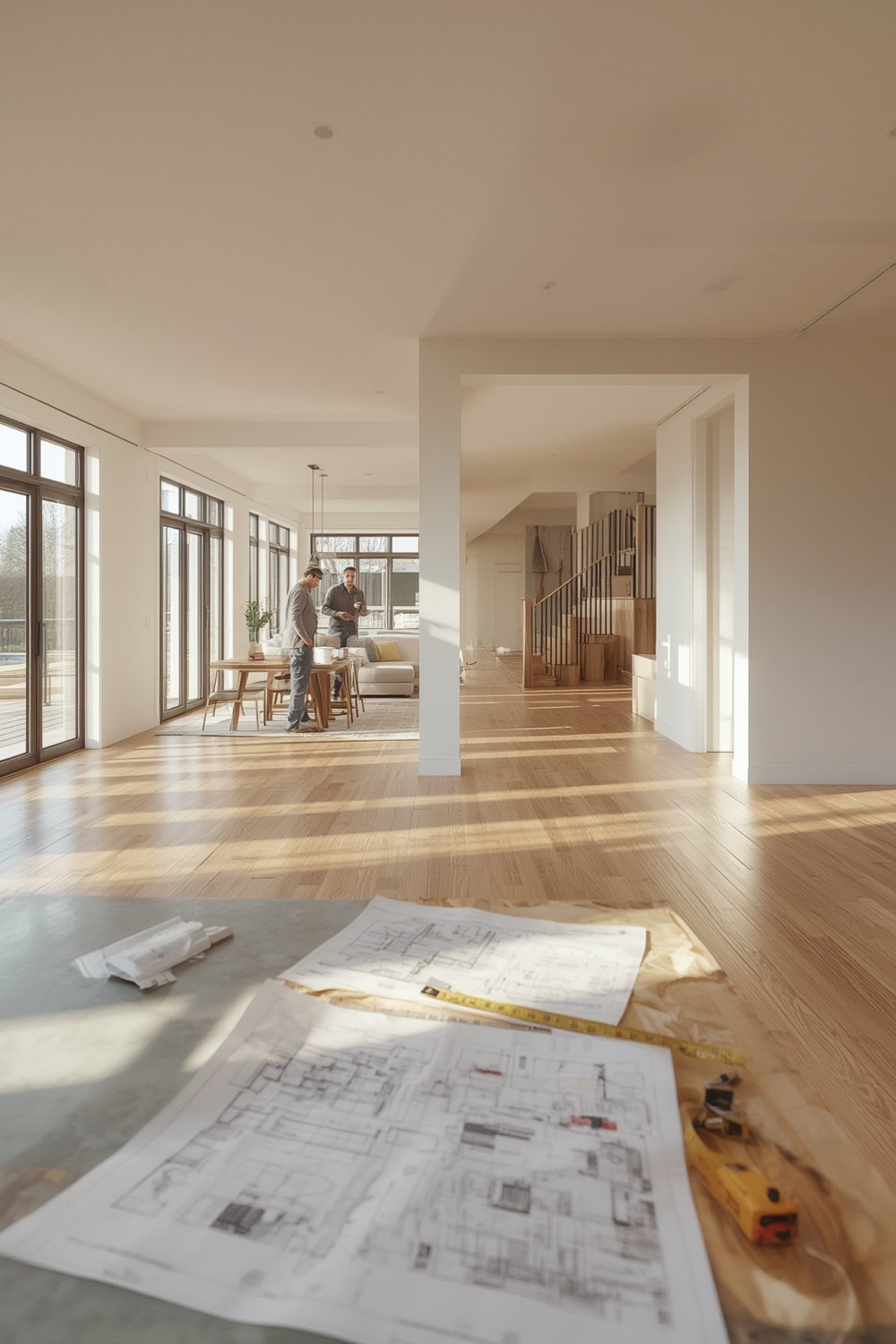
Value: With a national average cost of $58,586 for a midrange bathroom addition and potential ROI ranging from 32% to 90% depending on region and project quality, this upgrade can boost resale appeal and provide immediate accessibility benefits. (Premier Mortgage, Planner5D). In West Coast and New England markets, ROI can climb near 90%, while other regions average closer to 35-75%. Most homeowners find the real payback in improved daily living, not just resale.
Accessibility & Aging in Place: Homeowners wanting to age in place or support relatives prefer a main floor bathroom for safety and convenience. Eliminating stairs for bathroom access sharply lowers fall risk and daily physical strain. Expert advice strongly advocates making accessible bathrooms a priority in retirement planning, especially if mobility challenges are likely in the future.
Market Demand: Modern buyers and their families are more likely than ever to seek out accessible and flexible bathroom configurations, influencing both property value and livability. Installing a main floor bathroom often brings the home up to the evolving standards expected by today’s market.
How to Plan and Build Your Main Floor Bathroom Addition
A successful main floor bathroom addition project depends on careful planning, expert execution, and foresight about future needs. Here is a step-by-step guide to make the process as smooth, efficient, and value-focused as possible.
- Assess Feasibility and Set Goals
- Decide whether you need a full bath (with shower/tub) or half-bath (sink and toilet).
- Choose a location: near bedrooms, kitchen, or entry for best accessibility.
- Determine if your home has enough space—an accessible bathroom requires at least 36 sq ft for a half-bath, 50-100 sq ft for a full bath with mobility clearance.
- Estimate Costs, Timelines, and Return on Investment
- Main floor bathroom additions typically cost $20,000 to $115,000 depending on site conditions and finishes (New England Home Pros).
- National ROI averages 32-35% for high-end additions and up to 90% for quality remodels in certain regions (Zillow).
- Project timelines: expect 4-12 weeks for design, permits, and construction—conversions may be faster than new builds.
- Develop Your Accessible Bathroom Design
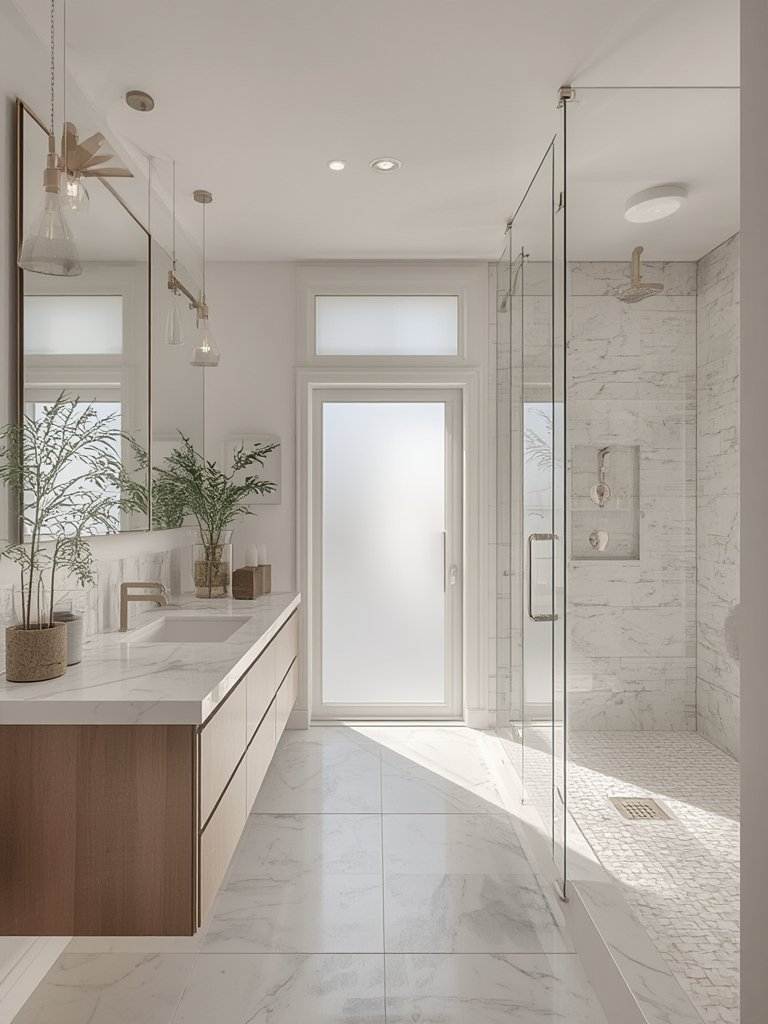
- Prioritize features like wide doorways, zero-threshold showers, walk-in tub with shower combos, grab bars, non-slip flooring, and good lighting.
- Consider instructing your designer or contractor to follow universal design principles for maximal future-proofing.
- Ask about innovative options like groutless shower walls, easy-to-clean surfaces, and smart home features for comfort and energy efficiency (smart home lighting, thermostats).
- Hire Qualified Pros and Pull Permits
- Vet contractors for ADA knowledge and experience with accessible bathroom additions.
- Get clear on permit requirements—it’s not uncommon for local authorities to request extra documentation for main floor structures and accessibility upgrades. Some municipalities require upgrades to adjacent entryways, ramps, or fire alarms as well.
- Prepare for Dust, Disruption, and Decision Fatigue
- Set up alternative bathroom access in your home if possible.
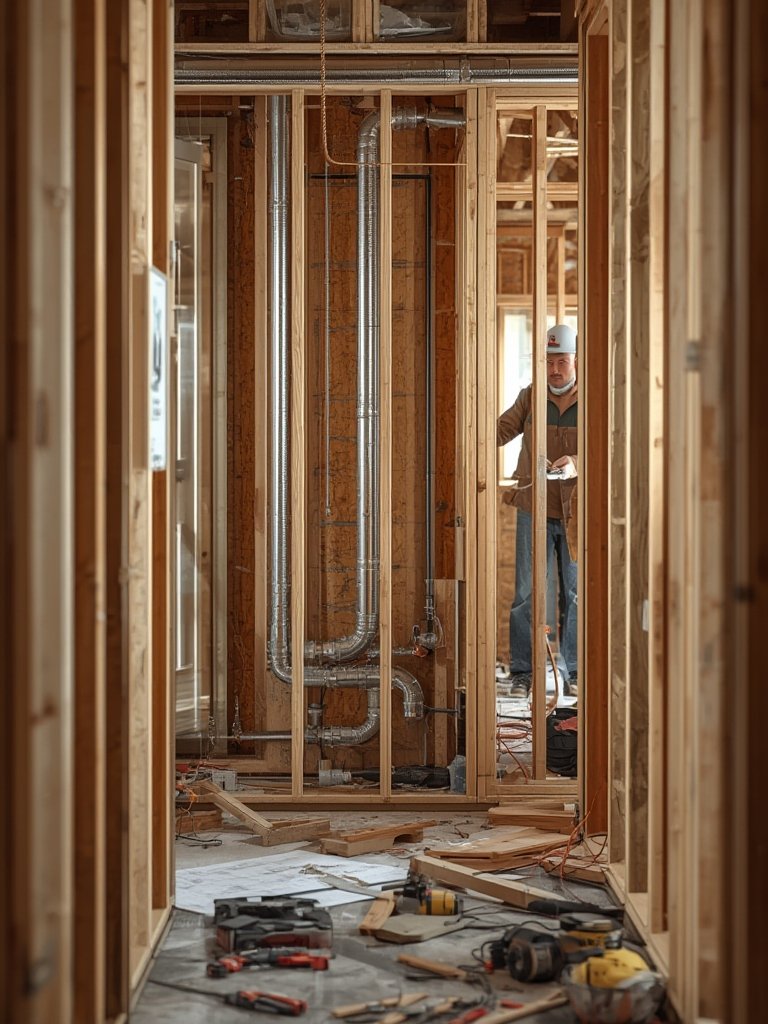
- Expect some disruption: main level work is more intrusive than basement or attic conversions.
- Choose Durable, Safe Finishes
- Flooring: Luxury vinyl is slip-resistant, waterproof, and affordable ($2–$17/sq ft), while non-slip porcelain also stands up well to water and frequent cleaning (World Coppersmith).
- Fixtures: Prioritize lever-handled faucets, comfort-height toilets, and curbless showers for universal access.
- Consider biophilic design features like natural light or indoor plants to create a calming, healthy environment (biophilic design).
- Finalize Inspection & Quality Check
- Secure all permits and inspections: final approval is required before you use the new bathroom.
- Test every feature—especially accessibility functions (grab bars, lighting, water temperature controls)—and address issues before sign-off.
Advanced Analysis & Common Pitfalls
Main floor bathroom additions provide unique benefits, but they also come with some real-world risks and complications. Based on research and homeowner feedback, here’s what to look out for:
| Common Pitfall | How to Avoid |
|---|---|
| Overshooting Budget | Get multiple contractor quotes. Insist on detailed breakdowns for all labor and material components—updates mid-project can add $5,000-10,000 easily. Always allow a 10% contingency fund. |
| Plumbing Surprises | Do an upfront plumbing inspection. If new ground-level drains are impossible, consider an above-floor plumbing system or consult a structural engineer before excavations. |
| Insufficient Accessibility | Verify door widths, turning radii, shower entry heights, and location of controls. Install essentials like a walk-in tub with shower and secure grab bars even if you think you won’t need them right away. |
| Permit or Inspection Delays | Initiate contact with city/building officials before spending on design or materials. Allow buffer time between construction steps for unexpected inspections. |
| Inadequate Lighting/Ventilation | Integrate smart lighting systems for flexible, safe illumination. Ensure exhaust fans are quiet and vent moisture outdoors to avoid mold or slippery conditions. |
| Style Over Function | Don’t sacrifice safety for looks. Every choice—from groutless shower walls to non-slip flooring—should balance accessibility and style (World Coppersmith). |
Hidden Disruptions: Main floor additions often mean living through dust, noise, and loss of privacy for weeks—even with a skilled contractor. Plan for how all household members will manage daily routines. If you work from home or need quiet, this can be more challenging than you expect.
Code and Permit Frustrations: Many areas now require accessibility or “visitability” upgrades as part of new main floor bathroom projects. If you don’t follow up with inspectors or stay on paperwork, approval and final use of your bathroom can be seriously delayed.
Conclusion
Main floor bathroom additions are one of the strongest upgrades a homeowner can make, delivering immediate accessibility, safety, and comfort while often raising a home’s market value. By budgeting wisely, planning for accessibility, and choosing experienced contractors, you can avoid common pitfalls and enjoy peace of mind about your investment. If you’re ready to future-proof your home or improve life for you or your loved ones, start gathering quotes and ideas for your own main floor bathroom addition today—your future self will thank you.
Want more home improvement advice? See our guides to aging in place home modifications, walk-in tub with shower solutions, or explore spa-like bathroom design for comfort and wellness.
FAQ
What is the average cost of a main floor bathroom addition in 2024?
National costs range from $20,000 for a basic conversion to $115,000 for high-end new builds. The most common range falls around $58,000–$65,000 for a midrange project, but prices are much higher in the West and Northeast. For a more detailed regional breakdown, check the Planner5D cost guide.
How does a main floor bathroom addition increase home value?
ROI depends on local demand and the project’s scale. On average, returns are around 32–35% for additions, but upscale remodels in some coastal regions can recoup up to 90%. However, most owners value the accessibility and livability gains even more.
Can I use my existing plumbing for a main floor bathroom addition?
It’s possible if the addition is near an existing kitchen, laundry, or bathroom (called a “wet wall”). This can dramatically reduce costs and disruption. Otherwise, expect significant plumbing work, including breaking up floors or rerouting lines.
What are must-have features for accessibility in a first-floor bathroom?
Key features include a zero-threshold (curbless) shower or walk-in tub with shower, wide entry door (at least 32 inches), non-slip flooring, lever handles, grab bars, and strong, glare-free lighting. These help everyone—not just those with mobility challenges.
Are permits required for a main floor bathroom addition?
Yes. Nearly all jurisdictions require building, plumbing, and electrical permits for bathroom additions on the main floor. Some cities also mandate accessibility features and fire safety upgrades. Check with your local building department before starting work.