Rainwater harvesting system installation is rapidly gaining interest among homeowners looking to cut water bills and increase sustainability, but there’s much more to it than simply placing a barrel under your downspout.
Key Takeaways
- Building a rainwater harvesting system requires careful planning, code compliance, and ongoing maintenance.
- Even basic rain barrel setups can reduce demand for municipal water, but system size and design make a big difference.
- Understanding legal requirements and technical specs is critical to avoid frustrating pitfalls and wasted investment.
- What Is a Rainwater Harvesting System?
- Step-by-Step Guide: How to Build and Maintain a Residential System
- Advanced Analysis & Common Pitfalls
- Conclusion
- Frequently Asked Questions
What Is a Rainwater Harvesting System?
A rainwater harvesting system collects, conveys, and stores rainwater from your roof or other surfaces for later use. The idea is simple: instead of letting valuable rainfall run off into storm drains, capture it for non-potable uses, such as irrigation, washing vehicles, or flushing toilets. With increasing water rates and ongoing drought in many US regions, these systems are attracting homeowners who want both savings and sustainability. Still, the lack of standardized statistics on US adoption or hard numbers on savings means much of the value is demonstrated case by case and varies according to climate, setup, and household needs. You can get basic designs with a single rain barrel, or invest in larger, multi-tank setups with pumps, filtration, and even greywater integration for more advanced use.
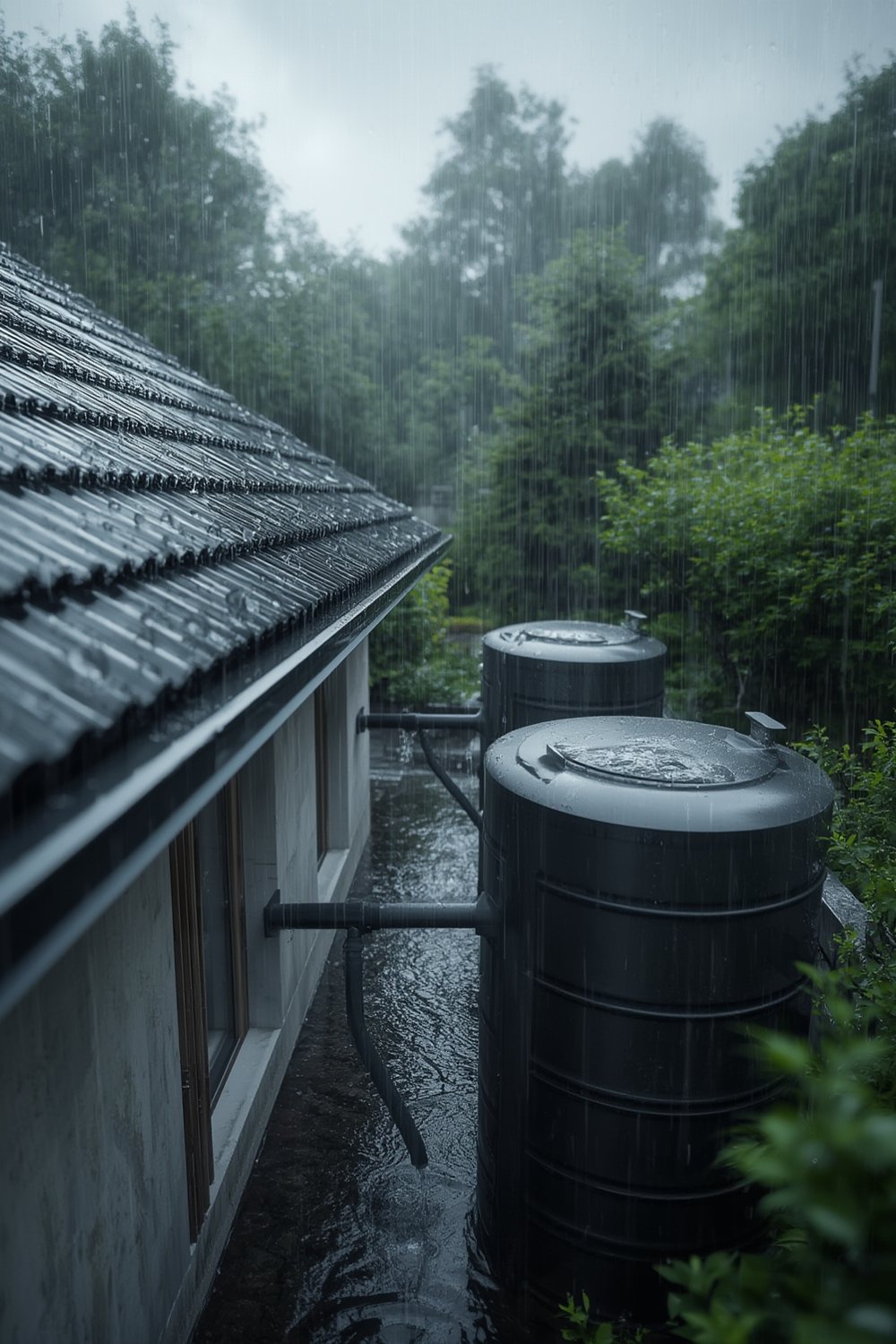
Step-by-Step Guide: How to Build and Maintain a Residential System
Setting up a rainwater harvesting system involves more than just buying a barrel. Here’s a practical guide for homeowners who want reliable performance:
- Analyze Roof Area and Rainfall
Measure your catchment area (roof square footage) and research your local rainfall patterns. Use the formula: 0.623 gallons per square foot per inch of rainfall to estimate how much water you can collect annually (source). - Choose Your Collection & Storage System
Decide between a basic rain barrel or a larger storage tank. For a typical home, tanks can range from 50 (barrel) to several thousand gallons (cisterns). Ensure you have a stable base, like a gravel-filled frame or concrete pad (source). - Install Conveyance and Filtration
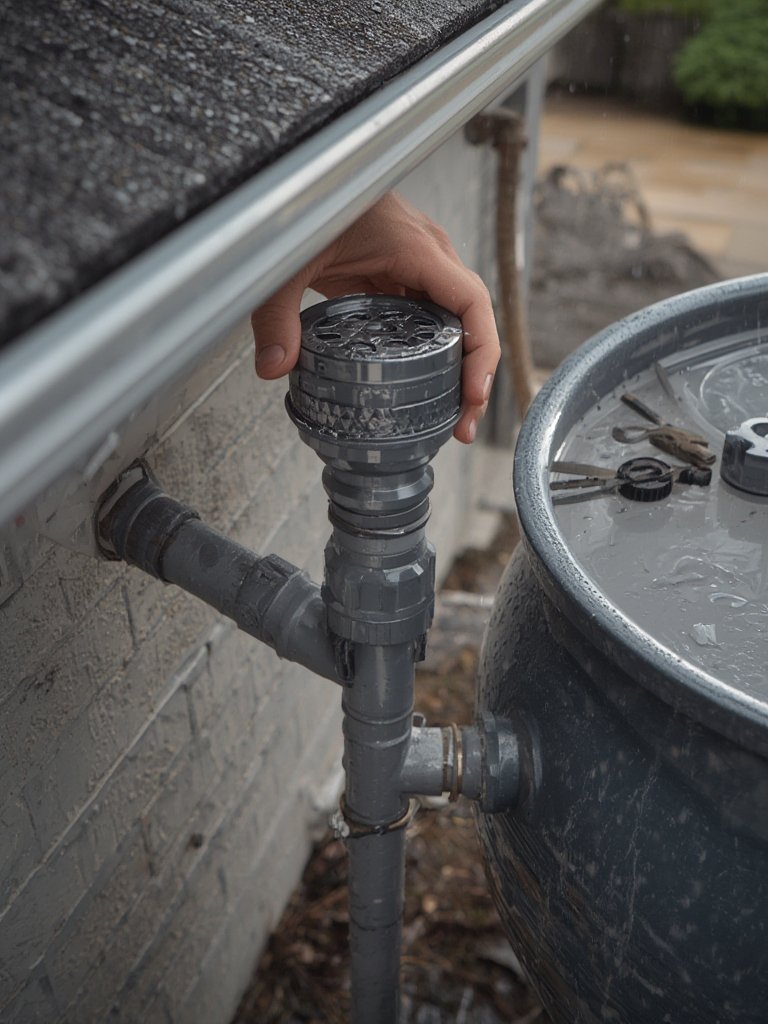
Set up 3–4 inch ANSI/NSF 61 certified PVC piping from your downspouts. Add pre-filtration (leaf screens, 1/4-inch mesh, rain heads) and first-flush diverters (about 1-2 gallons per 100 square feet). These keep debris out and help prevent contamination. - Add Storage Tank Components
Equip tanks with calming inlets, floating filter intakes, overflow pipes, vents (with #24 mesh screens), and properly sized outlets (3/4” or 1”). For basic irrigation, no pump is needed if you use gravity; for sprinklers, add a pump rated for at least 30 psi. - Plan for Overflow, Safety & Access
Make sure overflow is directed safely away from the home. Protect tank access with childproof locks and mosquito-proof screens. - Permits & Legal Compliance
Check local codes. Some cities—like Pleasanton, CA—require permits if tanks are over 360 gallons or too close to property lines (source). - Regular Maintenance Routine
Schedule quarterly tank inspections, annual filter cleaning, and periodic checks for leaks, clogs, or mosquito larvae. UV disinfection may be necessary for systems intended for indoor use (source).
For a deeper dive into related energy and water savings, read about energy-efficient window replacement or check if your project can work alongside smart home lighting systems to maximize utility cost reductions.
Advanced Analysis & Common Pitfalls
Even with the best intentions, many homeowners encounter problems during installation or maintenance that can lead to disappointment. Before you invest, consider these real-world issues:
- Leaks & Overflow: Poorly sealed pipes or tanks lead to wasted water. Overflow not routed correctly can cause foundation damage.
- Clogged Filters: Neglecting debris screens leads to clogging and stagnation—a breeding ground for mosquitoes.
- Legal Red Tape: Failing to obtain required permits may mean removal or fines, especially in municipalities with strict water codes.
- Undersized Systems: Oversimplified installations (e.g., a single barrel) often prove inadequate for significant drought or irrigation needs.
- Maintenance Labor: Systems that aren’t easy to access, or designed without cleaning in mind, can become a chore and are often abandoned within a year.
| System Type | Estimated Upfront Cost | Maintenance | Suitability | ROI Estimate |
|---|---|---|---|---|
| Rain Barrel (50–100 gal) | $80–$300 | Low (<$10/year; clean screens) | Gardens, small yards | 2–5 Years* |
| Mid-size Cistern (500–2500 gal) | $1,000–$5,000 | Moderate ($50–$150/year) | Large gardens, flushing, laundry | 5–10 Years* |
| Greywater + Rain System | $3,500–$15,000+ | High ($150+/year, more checks) | Full irrigation, legal indoor re-use | Varies (site, incentives) |
*ROI depends on local water rates, roof size, and rainfall frequency.
To keep your rainwater project running smoothly, integrate it with DIY home improvement projects and make use of aging in place home modifications if you need accessibility. For design inspiration and ways to blend utility with style, see how biophilic design elements can complement your sustainable upgrades. Homeowners also increasingly combine these systems with organized storage solutions to keep utility areas functional.
Conclusion
Every homeowner’s needs, climate, and budget are different—building the right rainwater harvesting system requires clear planning, embracing legal obligations, and direct, hands-on maintenance. The lack of hard national adoption or savings data means you should focus on practical goals for your home, not generic marketing claims. Start with a reliable design, keep an eye on your city’s requirements, and you can enjoy meaningful rainwater harvesting system benefits for years to come. Want to take your home sustainability game further? Start planning today—a small step now can lead to significant savings down the road.
Frequently Asked Questions
How much water can I collect from my roof annually?
Multiply your roof’s square footage by 0.623, then multiply by your average annual rainfall in inches. For a 2,000-square-foot roof in a 30-inch rainfall zone, you can harvest about 37,380 gallons per year.
Do I need a permit for a rainwater harvesting system?
It depends on your city. For example, Pleasanton, CA requires permits for tanks over 360 gallons or if they’re close to property lines. Always check your local code before buying supplies.
How often should I clean my rain barrel or cistern?
Inspect every 3 months and clean at least once a year to prevent algae and mosquito buildup. Check filters and screens more frequently if you have lots of trees nearby.
Can I use rainwater for drinking or indoor use?
Not safely without advanced filtration (including UV disinfection) and, often, legal approval. Most US homes use rainwater for irrigation, toilet flushing, or outdoor cleaning due to quality concerns and code restrictions.
Will rainwater harvesting lower my water bill?
If sized and used properly, yes. Especially in areas with high summer irrigation use, savings can be significant over several years. But there’s not currently reliable national data on dollar savings—it depends on your local rates and system design.