Ventless washer dryer combo units are fast becoming the default choice for anyone looking to maximize laundry power in limited spaces. These all-in-one machines blend washing and drying into a single, sleek package—no complicated venting required.
Key Takeaways
- Modern ventless washer dryer combos save space and up to 60% more energy than traditional vented systems, ideal for apartments and compact homes.
- Placement flexibility is unmatched—put them in kitchens, bathrooms, or closets anywhere you have a water line, with no exterior vent installation needed.
- Latest models like LG’s 2024 WM6998HBA offer large capacities and efficient under-2-hour wash-dry cycles, but users should be aware of possible limitations on drying speed and loading size.
- What Is a Ventless Washer Dryer Combo & Why Choose One?
- How to Set Up and Use a Ventless Washer Dryer Combo: Step-by-Step
- Advanced Analysis: Technical Differences & Common Pitfalls
- Conclusion
- FAQ
What Is a Ventless Washer Dryer Combo & Why Choose One?
A ventless washer dryer combo is an appliance that washes and dries laundry in a single, integrated unit, using advanced condensation or heat pump technology instead of the typical vented exhaust system. This lets you install them along any water-access wall, even in apartments or condos that don’t have existing dryer vents. Demand for these models is surging, especially in North American urban areas, driven by smaller homes, eco-conscious buyers, and the appeal of “set it and forget it” laundry routines without needing extra space or transfers between machines.
Over the last few years, the global washer dryer combos market has seen strong growth, especially in North America. In 2025, this market is projected to hit $6.8 billion and is expected to climb to $11.4 billion by 2034 (source). That’s no accident: these solutions directly respond to the needs of urban dwellers, small families, and anyone prioritizing energy efficiency and convenience.
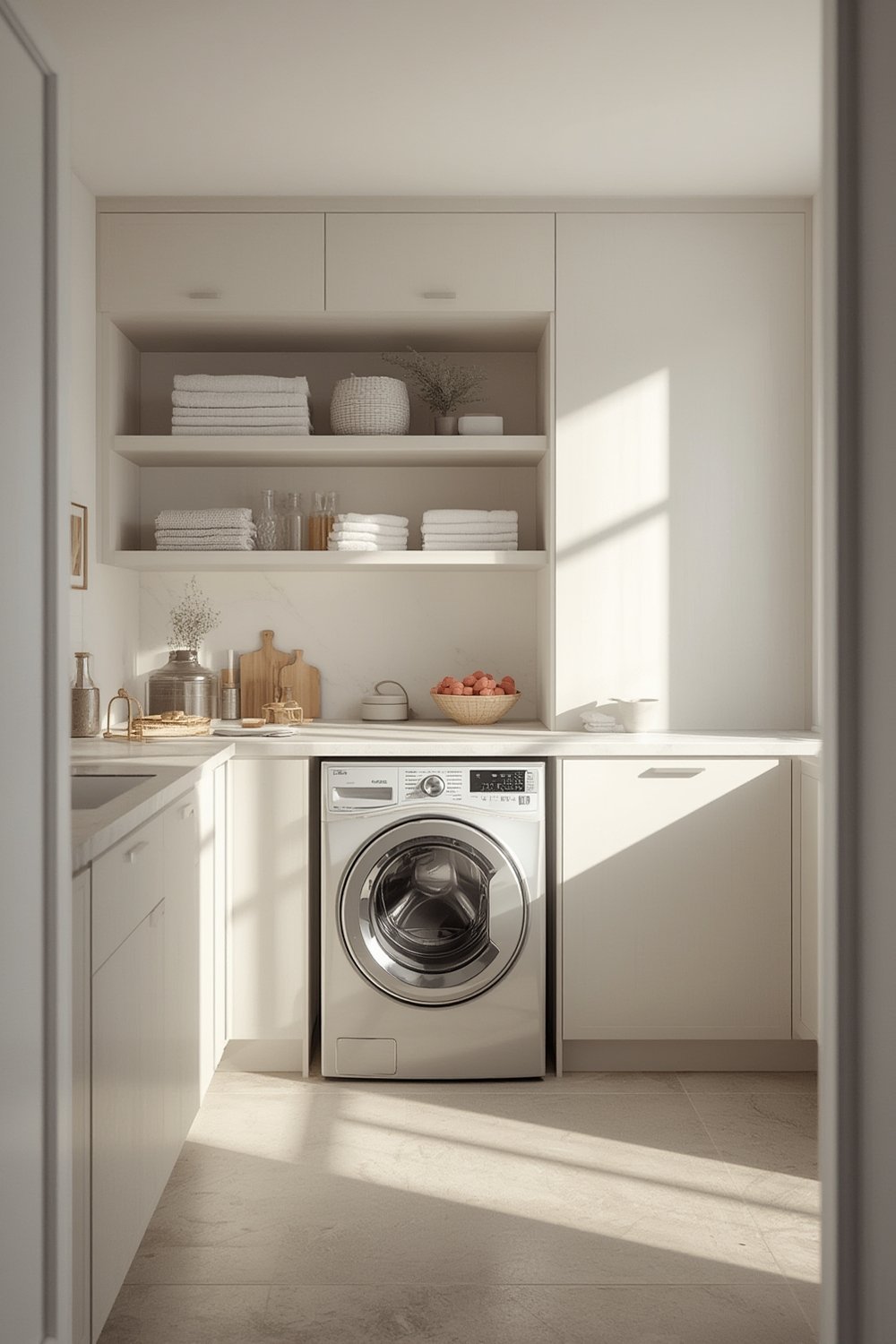
Unlike standard vented dryers, ventless models recirculate air internally to dry clothing, offering far more installation flexibility and generally consuming less energy (source). The technology is also more sustainable, matching larger lifestyle trends towards compact living and green upgrades—making these combos a natural fit for eco-aware renovators, first-time buyers, and those investing in aging-in-place home modifications.
How to Set Up and Use a Ventless Washer Dryer Combo: Step-by-Step
- Measure Your Space. Double-check the exact dimensions of the unit you plan to buy, and identify any water, drain, and power connections in your home. Many ventless combos—like LG’s mega capacity unit—fit well in closets, bathrooms, kitchens, or even beside your kitchen storage solutions.
- Choose the Right Model. Prioritize features like heat pump technology, capacity, and energy certifications. As of 2024, LG’s 5.0 cu. ft. Smart WashCombo WM6998HBA (ventless, with Inverter HeatPump tech) stands out for both energy savings and performance (source).
- Prepare Your Hookups. You only need an electrical outlet, water line, and drain. No wall cuts or venting kits required; this is what lets you get creative with placement—think beside your walk-in closet organization, or tucked away for multi-functional furniture spaces.
- Install the Unit. Carefully position the combo washer dryer. Ensure it sits level, connect water/drain hoses, and plug it in. Test for leaks before using your first cycle.
- Operate & Optimize. Load your clothes, select your preferred wash-dry cycle, and monitor settings. With recent heat pump models, you’ll often get a full wash and dry in under two hours. Always check the manufacturer manual for care tips.
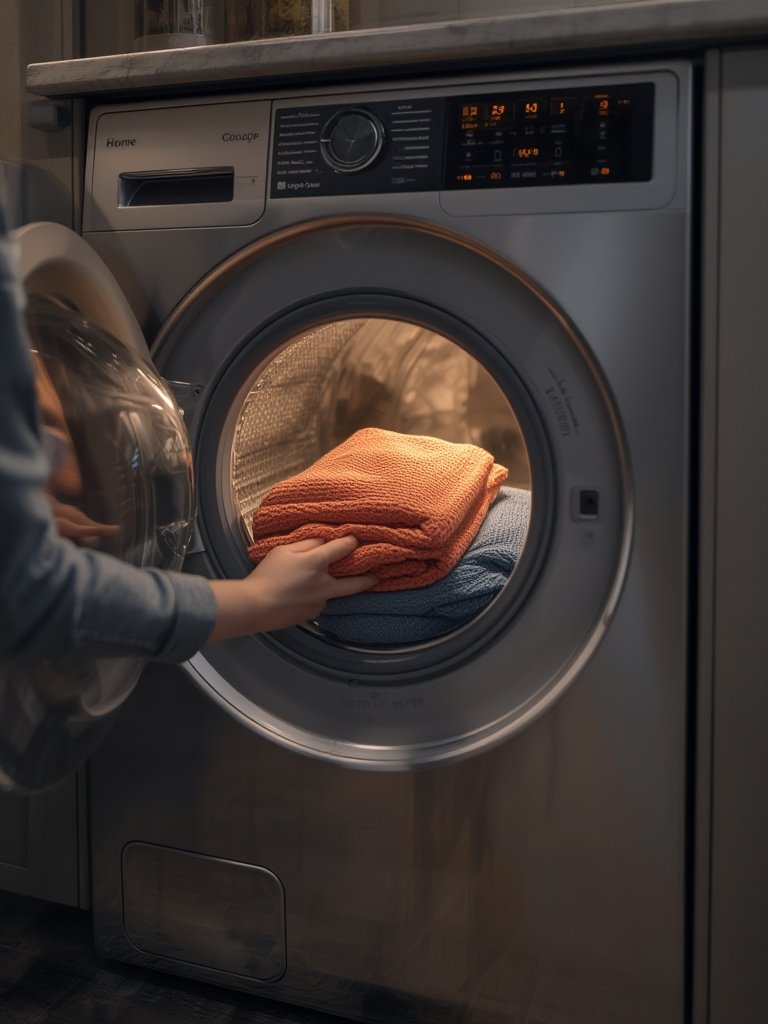
Don’t forget: since exhaust vents aren’t needed, you can place your washer dryer combo virtually anywhere—perfect for home office renovations or creative micro-apartment layouts. Sleek, ventless models are especially helpful in homes where extra exhaust ductwork is costly or simply impractical.
Advanced Analysis: Technical Differences & Common Pitfalls
While ventless washer dryer combos are surging in popularity, especially in city homes, it’s smart to know where they shine—and where potential frustrations can arise compared to traditional setups.
| Feature | Ventless Washer Dryer Combo | Traditional Vented Dryer |
|---|---|---|
| Installation Location | Anywhere with water/power access; no vent needed | Requires exterior wall or ductwork for venting |
| Energy Efficiency | Up to 60% less energy use with heat pump units (source) | Generally higher energy consumption; heat loss through venting |
| Cycle Duration | Wash-dry cycle under 2 hours (top models); some loads may take longer | Dry cycles typically faster, especially for large loads |
| Water Usage | Uses water for drying (condensation models); new heat pump units minimize this | Does not use water during drying |
| Capacity | Modern ventless units: up to 5.0 cu. ft. (LG WM6998HBA), suitable for most households | Standard dryers available in larger capacities (sometimes 7+ cu. ft.) |
| Space Needed | Single compact footprint; ideal for apartments/small laundry rooms | Requires stack or side-by-side setup; larger square footage needed |
Common Pitfalls & Considerations
- Drying Speed: Although top heat pump models claim sub-2-hour wash-dry cycles, some heavily soiled or bulky loads can take longer to dry compared to vented machines.
- Lint and Moisture Management: Ventless units require diligent filter cleaning and sometimes produce more humidity in small rooms—ensure proper ventilation if installed in tiny, enclosed spaces.
- Upfront Cost: While running costs are lower due to energy savings, initial purchase prices are often higher than basic vented sets. However, installation costs tend to be lower because no wall venting is needed.
- User Expectations: If you’re used to tossing in huge loads or speed-drying towels, the new workflow may take some adjustment. Overstuffing the drum can impair performance.
Even with these factors, ventless washer dryer combos remain a top choice for optimizing tight spaces and long-term sustainability—especially for those already investing in other energy-saving home improvements.
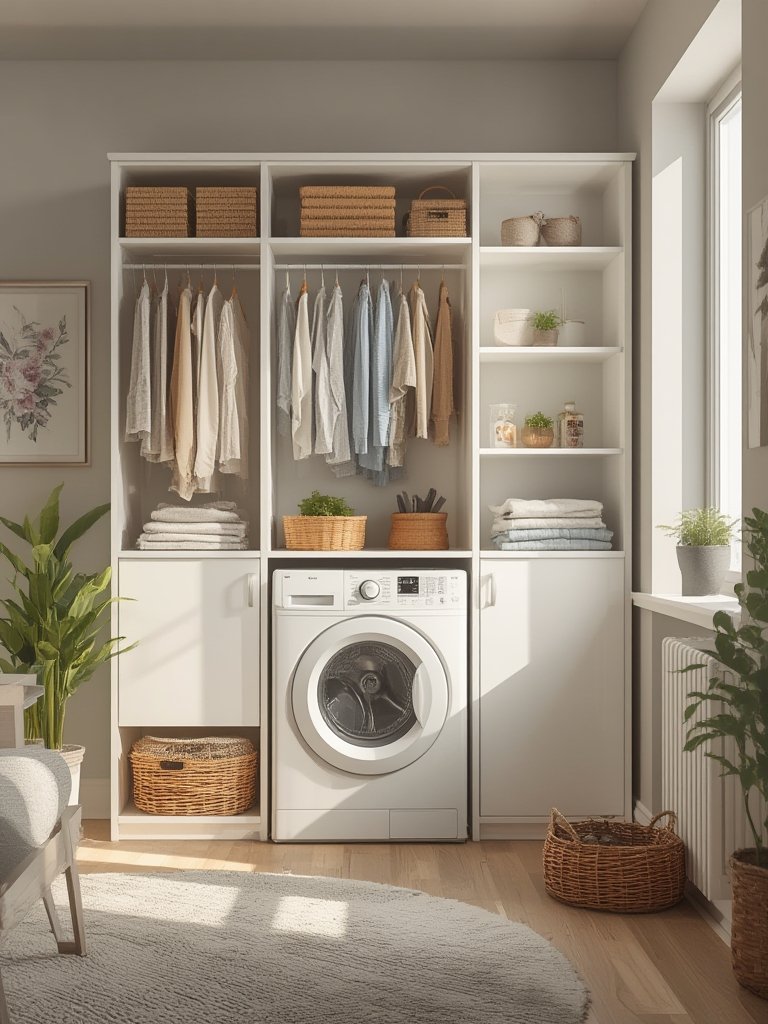
Conclusion
In urban homes, small apartments, and anywhere flexibility counts, a ventless washer dryer combo is a powerful solution that slashes your laundry footprint and energy bills without losing cleaning power. With smart placement, a bit of maintenance, and realistic expectations about throughput, most households will appreciate the quiet, efficient, all-in-one convenience. If you’re looking for the next leap in laundry design, consider upgrading to a ventless washer dryer combo—and join the millions moving toward smarter, cleaner, and more sustainable living. Ready to transform your home? Explore our smart home lighting system guide and other innovative home upgrades.
FAQ
How does a ventless washer dryer combo work?
Ventless combos use condensation or heat pump technology to extract moisture from clothing and recirculate air, with no need for an external exhaust vent. This makes them suitable for installation almost anywhere with water and power access.
Are ventless washer dryer combos as efficient as traditional setups?
Yes, and often much more so. Leading 2024 models like LG’s WM6998HBA use up to 60% less energy than typical vented models. Energy efficiency and compact design are core selling points (source).
What are the main disadvantages of ventless combos?
Heavier or bulky loads may dry more slowly, and initial purchase costs tend to be higher. Proper filter and drum maintenance is especially important to prevent odors and maximize efficiency.
Can I install a ventless washer dryer combo myself?
Yes, installation is typically DIY-friendly: you only need a power outlet, a water supply, and a drain. No venting kit or exterior wall access is required, minimizing contractor costs.
Which ventless washer dryer combo is best in 2024?
As of early 2024, LG’s 5.0 cu. ft. Mega Capacity Smart WashCombo WM6998HBA leads for features, energy savings, and cycle efficiency. Always check for the latest models and compare capacity, smart controls, and warranty.
—