Deck replacement vs repair is a crucial decision that can impact your home’s safety, long-term costs, and curb appeal. Whether your deck is showing signs of aging, structural issues, or surface wear, choosing the best solution requires a clear comparison of costs, timelines, maintenance, and value. This guide gives you a practical approach to deciding between repairing, resurfacing, or completely replacing your deck, based on the latest reliable data and actionable steps.
Key Takeaways
- Repairing a deck is cheaper upfront but may cost more long term if structural issues persist; replacement offers longer lifespan, especially with composite materials.
- Assess the integrity of the substructure—surface repairs are only effective if the underlying framing is solid.
- Material choice (wood vs composite) dramatically affects both lifespan and ongoing maintenance costs.
- Deck Replacement vs Repair: The Core Concept
- Step-by-Step Guide: How to Decide Between Deck Repair and Replacement
- Advanced Analysis & Common Pitfalls
- Conclusion
- FAQ
Deck Replacement vs Repair: The Core Concept
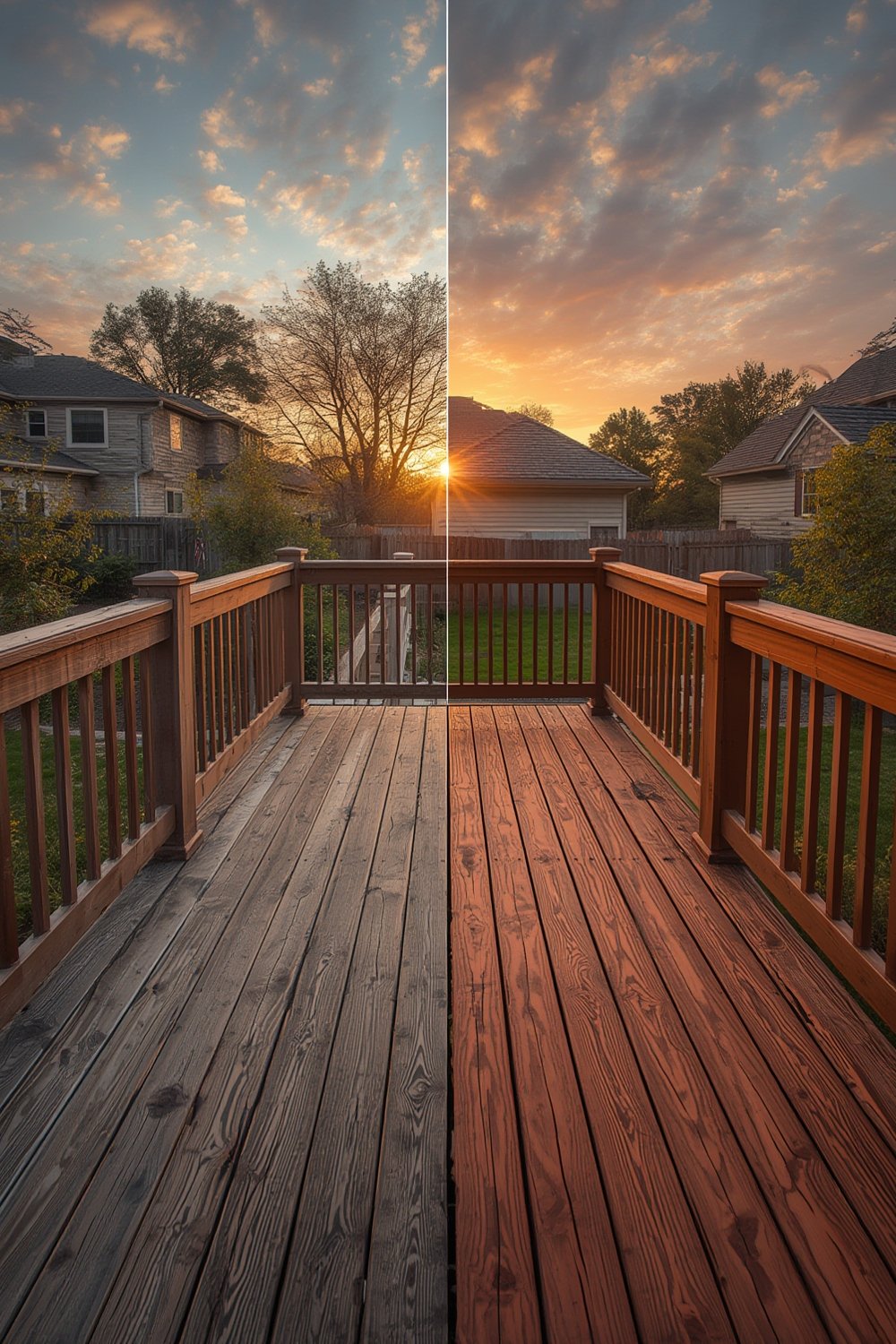
For most homeowners, the fundamental question is “Do I repair or replace my deck?” Regular repairs are ideal for minor surface damage, loose railing, or individual board failures. Full replacement is typically necessary when there are signs of widespread rot, foundational instability, or your deck is nearing the end of its natural lifespan (10–15 years for wood, up to 50 years for composite decks). It’s critical to understand this distinction because the cost difference is substantial and improper repairs on a failing deck may lead to safety hazards and wasted money.
Step-by-Step Guide: How to Decide Between Deck Repair and Replacement
1. Inspect Your Deck’s Safety and Structure
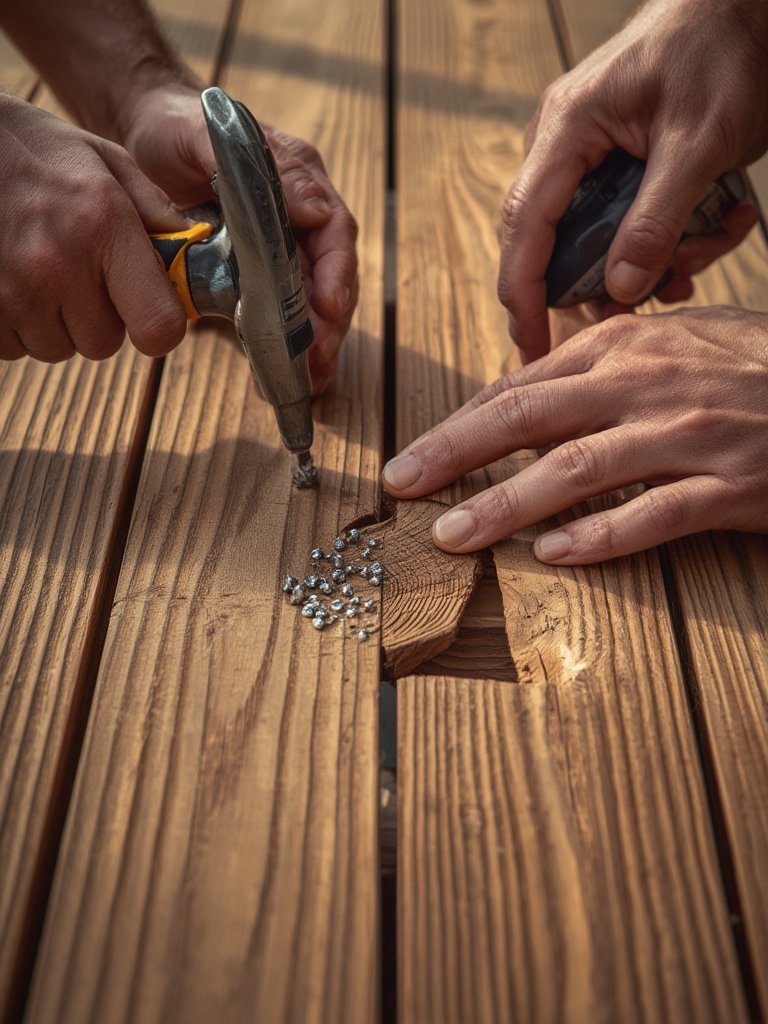
Begin by checking for surface splintering, visible rot, loose fasteners, and wobbling railings. Use a screwdriver to probe joists and posts for softness—this signals rot deeper than surface wear. Do a quick bounce test—feel for excessive give or creaking when you walk on the deck. If your deck is older than 10 years, do a thorough post and ledger board inspection. If the underlying structure is solid, you may only need to resurface or replace the decking boards.
2. Get Realistic Cost Estimates
Understand the potential scope and cost of your project:
- Minor repairs such as popped nails can cost as little as $0.30 per square foot in materials, plus labor—usually 2-5 hours at $50 to $100 per hour (Source).
- Resurfacing/board replacement averages $15–$50 per square foot (Source).
- Full deck replacement costs $4,500–$18,000, depending on size and materials (Source).
Composite decks have higher upfront costs ($30–$60 per square foot installed) but need almost no annual maintenance, unlike pressure-treated wood ($15–$35 per square foot plus $450–$850 maintenance annually). Explore our home exterior remodel guide for more cost-saving ideas and inspiration.
3. Weigh Deck Lifespan and Maintenance
Consider how long each option will last and the effort required to maintain it:
- Wood decks: Typically last 10–15 years with regular maintenance.
- Composite decks: Last 25–50 years, minimal upkeep.
- Resurfaced/board replacement: Extends deck life if the substructure is healthy.
For aging in place or long-term home value, a new composite deck minimizes hassle and may raise resale appeal. For temporary fixes or on a tight budget, targeted repairs can buy time. Access more tips in our aging in place home modifications post and see how decking choices support broader home safety.
4. Plan for Project Timing
Repairs usually take a few hours to a day. Full deck replacement could take several days to weeks, depending on weather, permitting (not covered in the data), and contractor schedules. Use this time to consider other upgrades, such as groutless shower walls for low-maintenance living or DIY improvements to add value efficiently.
5. Choose Materials Based on Your Preferences and Lifestyle
If you want the look of natural wood and are prepared for ongoing sealing and staining and sealing, choose pressure-treated lumber. For a virtually maintenance-free surface that stays vibrant for decades, composite is best. See our flooring options guide for more on matching home materials to your lifestyle.
Advanced Analysis & Common Pitfalls
Not every deck problem needs a complete rebuild—but failing to recognize structural rot or ledger board issues can mean wasted repairs that merely delay the inevitable. Long-term, regular “band-aid” repairs can actually push total ownership costs higher than if you’d invested in a replacement at the optimal time.
| Option | Build Cost | Maintenance (10 years) | Total 10-Year Cost | Lifespan |
|---|---|---|---|---|
| Wood deck (20×12) | $8,000–$11,000 | $1,500–$3,500 | $9,500–$14,500 | 10–15 years |
| Composite deck (20×12) | $12,000–$18,000 | $200–$500 | $12,200–$18,500 | 25–50 years |
| Resurfacing | $15–$50 per sq ft | Varies | Extends deck life | Depends on substructure |
Common pitfalls include:
- Investing in surface repairs when substructure or posts are compromised.
- Choosing wood for low upfront cost without factoring in high annual maintenance and shorter lifespan.
- Ignoring small areas of rot that can rapidly expand in humid climates, resulting in more costly eventual replacement.
- Missing local code requirements and permits (data unavailable), risking fines or denied insurance claims.
For a broad perspective on maximizing space and value, our walk-in closet organization guide explores custom storage solutions that add to your home’s marketability—just as a thoughtfully chosen deck material can.
Conclusion
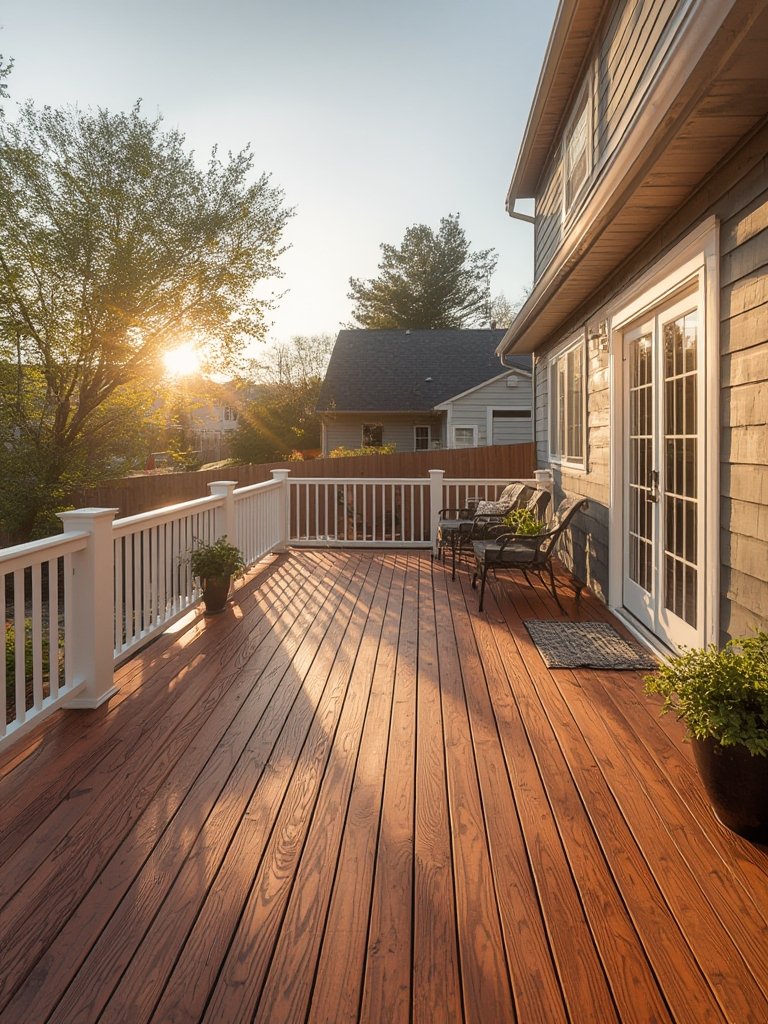
Choosing between deck replacement vs repair comes down to budget, deck age, hidden structural issues, and your long-term plans for your property. Repairs are viable for solid foundations with cosmetic or minor surface problems. Replacement is worth the investment for aging or unsafe decks. Composite yields the best long-term value, but you must balance upfront costs and maintenance. Get professional input for unclear cases, and don’t skip essential inspections—your deck’s safety and your peace of mind are at stake.
Ready to make your deck safer, longer-lasting, and easier to maintain? Start your project now—get local estimates, inspect your structure, and make the choice that secures your home’s outdoor living for years to come.
FAQ
How do I know if my deck needs to be replaced instead of repaired?
If the deck’s posts or joists show rot, the surface is extensively damaged, or the structure is over 15 years old, replacement is usually recommended. Surface-only damage (splinters, a couple of loose boards, or popped nails) can be repaired if the framing is sound.
Which costs more in the long term, repairing or replacing a deck?
Repairing is cheaper upfront, but frequent repairs on an aging or compromised deck can quickly add up. Over ten years, composite replacement often costs less than repeated wood deck repairs and maintenance, as seen in the comparison above (Source).
Is composite deck material always better than wood?
Composite costs more initially but lasts up to 50 years with minimal maintenance. Wood decks are less expensive upfront but require annual staining and sealing, and last 10–15 years. The best choice depends on your budget and how long you plan to stay in the home.
How long does it take to repair or replace a deck?
Basic repairs may take a few hours to a day, while complete replacement can take several days to weeks, depending on weather and contractor availability. Always account for permitting time if needed (permit specifics aren’t covered in the current data).
Do I need a permit to repair or replace my deck?
The search data does not specify current permit requirements. However, most municipalities require permits for major repairs and full replacements—always check with your local building department before starting the project.
—