Whole home generator installation is one of the most reliable ways to ensure your household has uninterrupted power during outages, but there are real costs, challenges, and planning steps you need to know upfront. This guide covers what a whole-home generator actually does, how the installation unfolds, costs by type and size—and what pitfalls to avoid before signing any contract.
Key Takeaways
- Installation costs for standby whole home generators typically range from $8,000 to $23,000 depending on size, labor, site prep, and fuel type.
- Expect delays and local permit requirements—understanding your area’s codes is crucial to avoid extra costs and failed inspections.
- Generac leads in the industry, but compare installation, operation, and maintenance costs across brands before choosing.
- What Is Whole Home Generator Installation and Why Consider It?
- Step-by-Step Guide to Installing a Whole Home Generator
- Advanced Analysis & Common Installation Pitfalls
- Conclusion
- Frequently Asked Questions
What Is Whole Home Generator Installation and Why Consider It?
A whole home generator installation is the process of permanently adding a standby generator to your property’s electrical system so it automatically powers the entire house during an outage. Unlike portable units, these generators start up within seconds of losing grid power. They can run on natural gas, propane, diesel, or gasoline, and are sized to match your household’s energy needs.
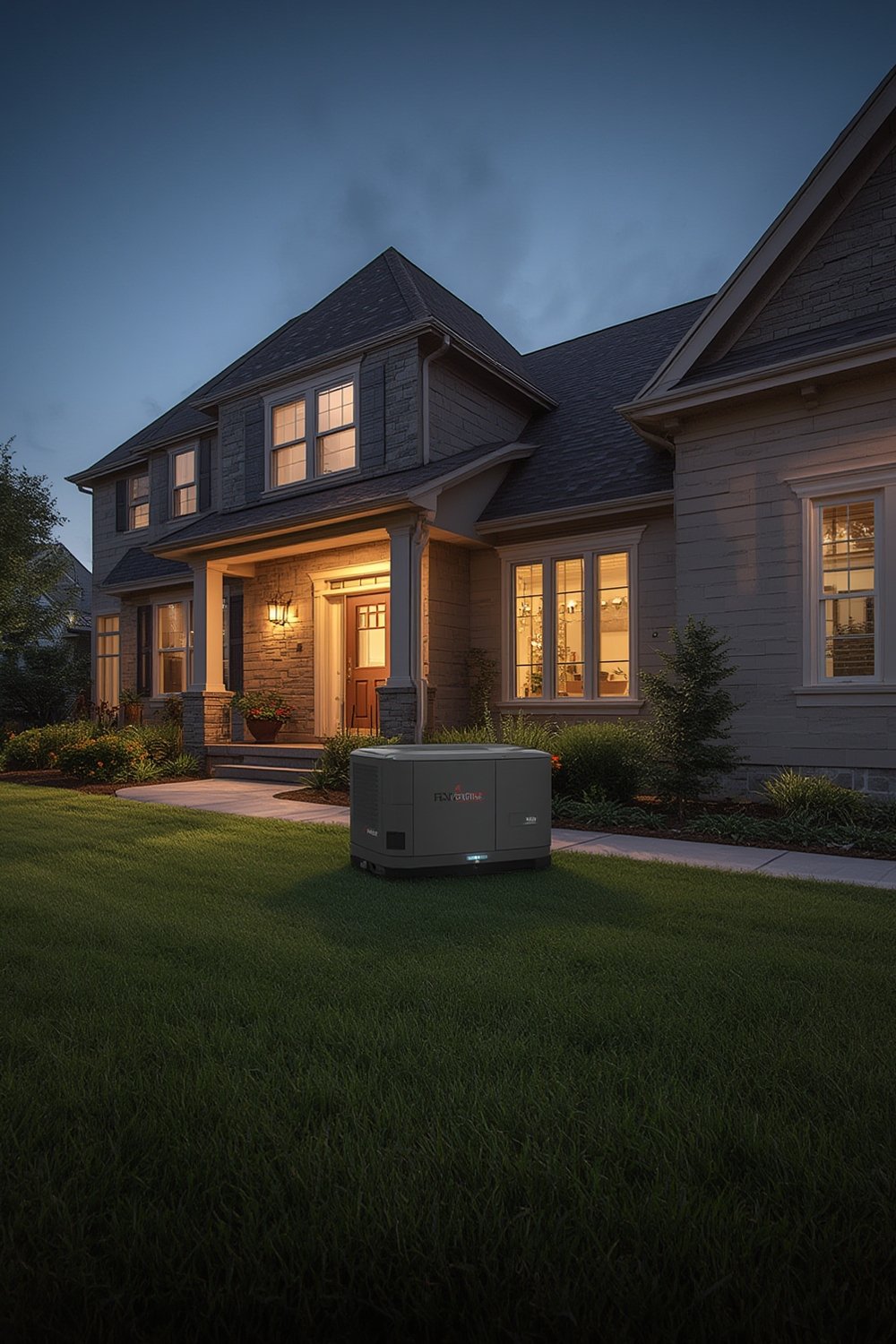
Homeowners often choose standby generators to:
- Protect against spoiled food, frozen pipes, and uncomfortable living conditions during extended outages.
- Maintain critical devices such as medical equipment, HVAC systems, and refrigeration in all conditions.
- Increase home safety and value by ensuring lights, alarm systems, and communications stay online.
Given the increasingly unpredictable weather and utility events, investing in a professionally installed system gives peace of mind—especially in areas hit with frequent storms or unreliable power grids.
Step-by-Step Guide to Installing a Whole Home Generator
Installing a whole-home generator is not a quick DIY—it involves careful planning, permits, and expert electrical work. Here is a realistic breakdown of how the process works from start to finish.
- Assess Your Power Needs and Choose a Generator
Match your home’s square footage and must-have loads to a properly sized generator—use 17–20 kW for most mid-sized homes, 22–25 kW for large or high-demand properties (source: HomeGuide). - Site Survey & Local Permits
Reputable installers will visit your home to pick the best location—respecting utility setbacks, noise ordinances, and risk of flood or snow build-up. Permit applications and local inspections must be obtained before any installation work begins. - Preparation and Utility Coordination
Site prep usually requires pouring a level, permanent pad (concrete or composite) for the generator to meet code. Expect to coordinate with your gas or propane provider—and possibly with your utility if the installation affects the meter. - Delivery, Placement, and Fuel Hookup
Once permits and site prep are done, the installer brings and mounts the generator on the pad. Plumbers route and connect fuel lines to natural gas or propane tank. Diesel or gasoline systems require external, up-to-code storage tanks. - Electrical Integration with Transfer Switch
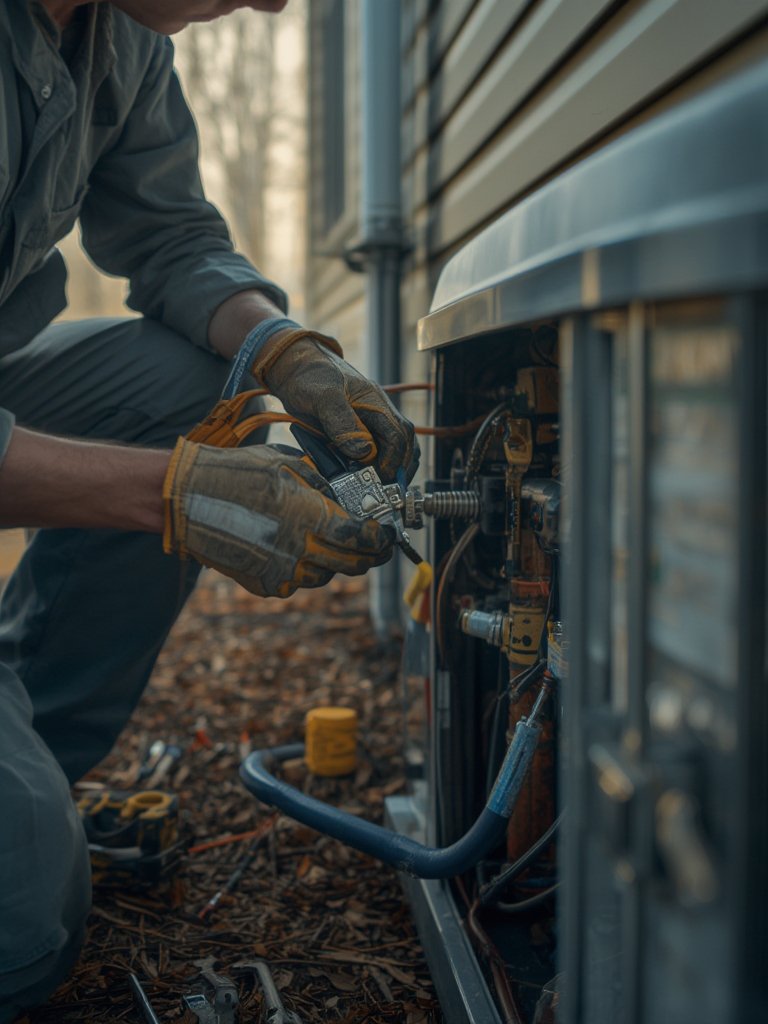
The most technical phase: a transfer switch (manual or automatic) is installed to safely route power from the generator to the main panel. This is a critical step and must be performed by licensed professionals. - Testing and Final Inspections
The system is tested under both utility power and generator load, including “blackout” simulations. Local inspectors review all work before you receive a final signoff.
- Tip: Check with your insurance agent—some will lower rates if you have a standby generator professionally installed.
If energy efficiency is a top concern, consider pairing your generator with energy-efficient window upgrades or explore spa-like bathroom design ideas that remain comfortable even during power interruptions. Thinking of further modernizing your home? Smart home lighting systems can be programmed to interface with many generators for a seamless home automation experience.
Finally, be sure to review your potential generator’s technical specs—fuel type, sound levels, size, and transfer switch compatibility. These details will determine operating cost, comfort, and system reliability for years to come.
Advanced Analysis & Common Installation Pitfalls
Proper installation of a whole home generator avoids many headaches, but there are several risks and challenges most homeowners encounter either during installation or after the system is in use.
- Unexpected Costs: Prices range widely—$8,000 to $23,000 installed (Modernize). Factors include generator size, fuel type, existing electrical infrastructure, and local labor rates. Don’t forget fees for the transfer switch, permits, concrete pad, and (for propane/diesel) the tank and lines (Bryan Hindman Electric).
- Permit Delays: Depending on jurisdiction, securing the right permit can add weeks. Some cities require site plans, utility notification, or even public hearings. Rushing this step leads to failed inspections and costly rework.
- Fuel Supply Surprises: Natural gas is continuous, but propane, diesel, and gasoline require storage tanks. Refilling can be expensive and subject to price spikes (see fuel cost table below).
- Noise Complaints: Standby generators can be loud, sometimes exceeding local noise limits. Always confirm acceptable decibel levels with your city or HOA before choosing a spot. Consider a Noise Complaints solution if you’re concerned about generator sound levels.
- Transfer Switch Issues: Some older homes’ main electrical panels need upgrades for modern transfer switches. If overlooked, it leads to repeat visits, additional wiring, and extra expense.
- Maintenance Gaps: Oil changes, battery replacements, and full annual tune-ups are often omitted in initial cost estimates. Long-term reliability depends on regular professional service—check installer support contracts closely.
| Component | Low Estimate | High Estimate |
|---|---|---|
| Generator Unit | $5,000 | $15,000 |
| Installation (labor) | $2,500–$3,000 | $5,000–$8,000 |
| Concrete Pad | $500 | $1,500 |
| Propane Tank & Installation | $1,000 | $5,000 |
| Electrical Setup (Transfer Switch, etc.) | $2,000 | $5,000 |
| Permits & Misc. Fees | $500 | $2,000 |
Fuel choice also greatly impacts running expense:
| Fuel | 7 kW | 15 kW | 20 kW |
|---|---|---|---|
| Natural Gas | $10–$20 | $22–$32 | $30–$40 |
| Propane | $60–$70 | $145–$165 | $150–$170 |
| Diesel | $32–$40 | $90–$110 | $100–$120 |
| Gasoline | $55–$70 | N/A | N/A |
For more sustainable power or aging-in-place solutions, consider reviewing other modern upgrades such as aging in place home modifications or closet organization tips while you’re already upgrading your home’s backup power.

Conclusion
Whole home generator installation is an involved process that protects your family from power outages but requires careful budgeting, permit navigation, and technical decisions. Compare models, fully scope your installation, and always plan for ongoing maintenance. For energy upgrades and comfort, explore hybrid bathtub with shower combos or groutless shower wall systems as part of your next project. Get multiple written quotes, assess your long-term costs, and invest in a qualified installer for a smooth, code-compliant result.
Ready to secure your home against outages? Start your whole home generator installation journey with a trusted local expert today.
Frequently Asked Questions
How much should a whole home generator installation cost?
Depending on fuel type, home size, and local labor rates, total installed costs typically fall between $8,000 and $23,000 (Modernize). High-demand or large homes with propane tanks may reach $30,000 or more.
How long does installation really take?
Most installations require 1 to 2 days for the physical work, but permitting, utility notifications, and inspections can add 2 to 4 additional weeks, especially in strict jurisdictions.
Will insurance cover or reduce the cost?
Some homeowner policies offer discounts for standby generators—ask your agent during planning. However, installation costs are typically out-of-pocket unless caused by a covered weather event.
Is a standby generator worth it vs. a portable generator?
Standby units offer seamless, automatic, house-wide protection and more robust performance. Portables are far cheaper but require manual setup, limited coverage, and routine fueling. Invest in standby if outages are frequent or you have critical power needs.
Do I need a permit for home generator installation?
Yes—most cities and towns require electrical and, sometimes, plumbing permits. Work without proper approval may lead to failed inspections or insurance issues post-installation.