

Aging in place home modifications are a top priority for older adults in the U.S., according to multiple 2024 surveys. With more seniors wanting to stay in their homes safely and comfortably, understanding exactly what to modify—and the real-world challenges of doing so—can make all the difference for families planning ahead. Here is a practical, research-backed guide to making aging in place successful, realistic, and future-proof.
Key Takeaways
- More than 75% of adults aged 50+ wish to age in place, yet only 34% say their homes are truly “aging ready.”
- Simple upgrades like grab bars, wider doorways, and smart tech rapidly boost safety, mobility, and independence for seniors.
- Cost, tech privacy concerns, regulatory confusion, and maintenance are the biggest hazards homeowners face with aging in place upgrades.
- The Core Concept: Aging in Place Home Modifications
- Step-by-Step Guide to Home Modifications for Aging in Place
- Advanced Analysis & Common Pitfalls
- Conclusion
- FAQ Section
The Core Concept: Aging in Place Home Modifications
What exactly are aging in place home modifications, and why are they suddenly essential? The term covers physical changes and smart solutions that make it possible for older adults to live safely, independently, and comfortably in their own homes as their needs change. This trend is fueled by overwhelming demand: in 2024, three out of four Americans aged 50 and above strongly prefer to stay put in their own homes rather than move to assisted living or nursing facilities (AARP).
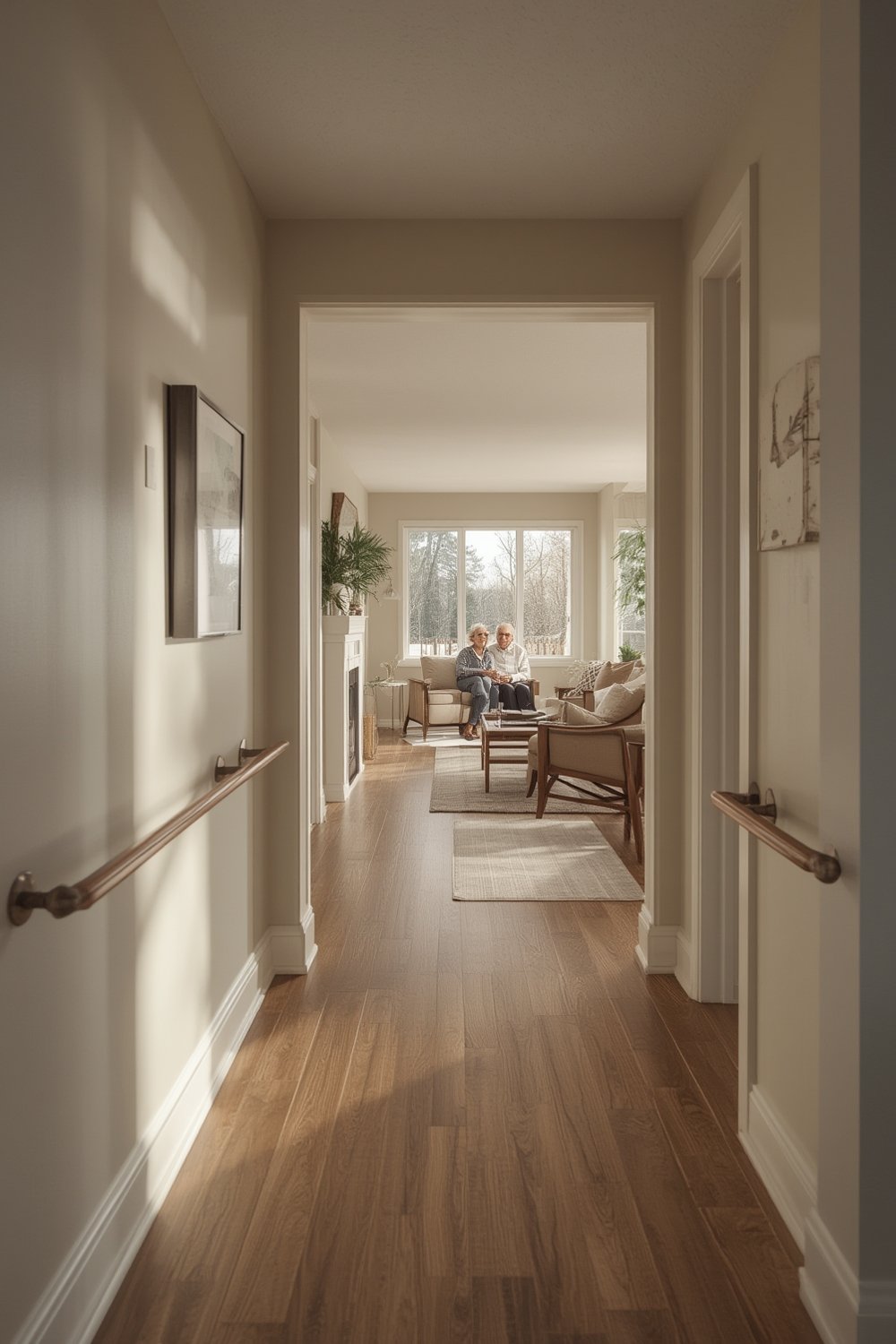
Yet the desire to age in place slams into reality: only 34% of adults feel their home is ready for the challenge, and home readiness is dropping yearly (Carex). Most American homes were not designed for older adults, so modifications—like grab bars, ramps, zero-step entries, smart lighting, and improved accessibility—are critical. They address mobility, reduce fall risks, and make day-to-day tasks easier, all while costing less than moving to care facilities.
Step-by-Step Guide to Home Modifications for Aging in Place
Ready to get started? Follow these real-world steps for successful home modifications that actually improve quality of life for seniors.
- Conduct a Home Safety Assessment
Start with a walk-through to identify fall hazards, slippery surfaces, narrow doorways, steep entry steps, and poor lighting. Consider downloading or printing a free aging-in-place checklist from an internal guide or reputable organization. - Create a Customized Modification Plan
Prioritize high-traffic and high-risk areas first—the bathroom, entryway, and kitchen. Write down which features (grab bars, non-slip flooring, smart sensors, zero-step entry) will address your unique needs. - Set a Realistic Budget
While national remodel cost figures vary widely by region, even modest investments like handrails or smart lights deliver strong returns versus the high monthly cost of assisted living, which ranges from $3,000 to $9,000 per month (Carex). - Choose Priority Modifications
- Install secure grab bars in bathrooms and hallways.
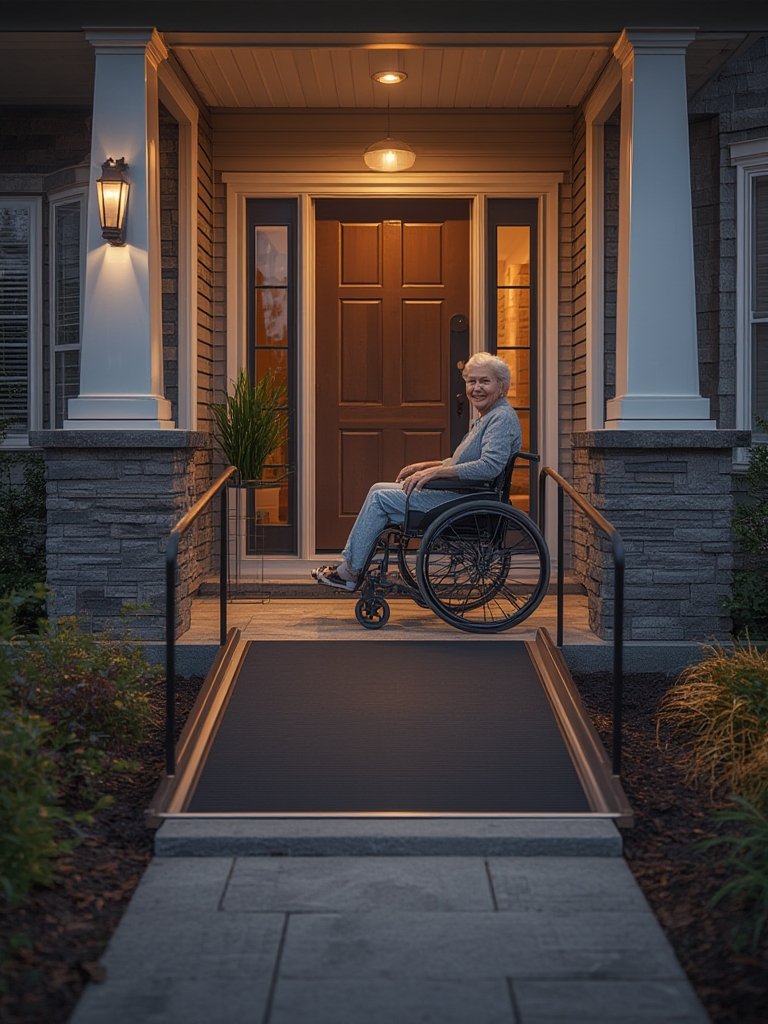
- Add no-step or low-step entries and curb-less showers.
- Widen narrow doorways for walker or wheelchair access.
- Add lever-style door and faucet handles for easier use.
- Upgrade lighting and add motion-sensor or smart bulbs.
- Consider smart home devices that add reminders, emergency help, or automate tasks.
- Find Contractors or Go DIY
For major remodels, search for professionals with aging in place certification and strong reviews. For small changes, follow step-by-step install guides on reputable websites to do it yourself safely. - Secure Funding
Explore state or federal assistance programs if budget is a barrier. Only 36.5% of eligible seniors get housing aid (AARP). For further reading, check our guide to home modification grants. - Test, Adjust, and Maintain
After installation, regularly evaluate the modifications. Some changes may need fine-tuning after use, and maintenance is key for safety—see our home maintenance checklist.
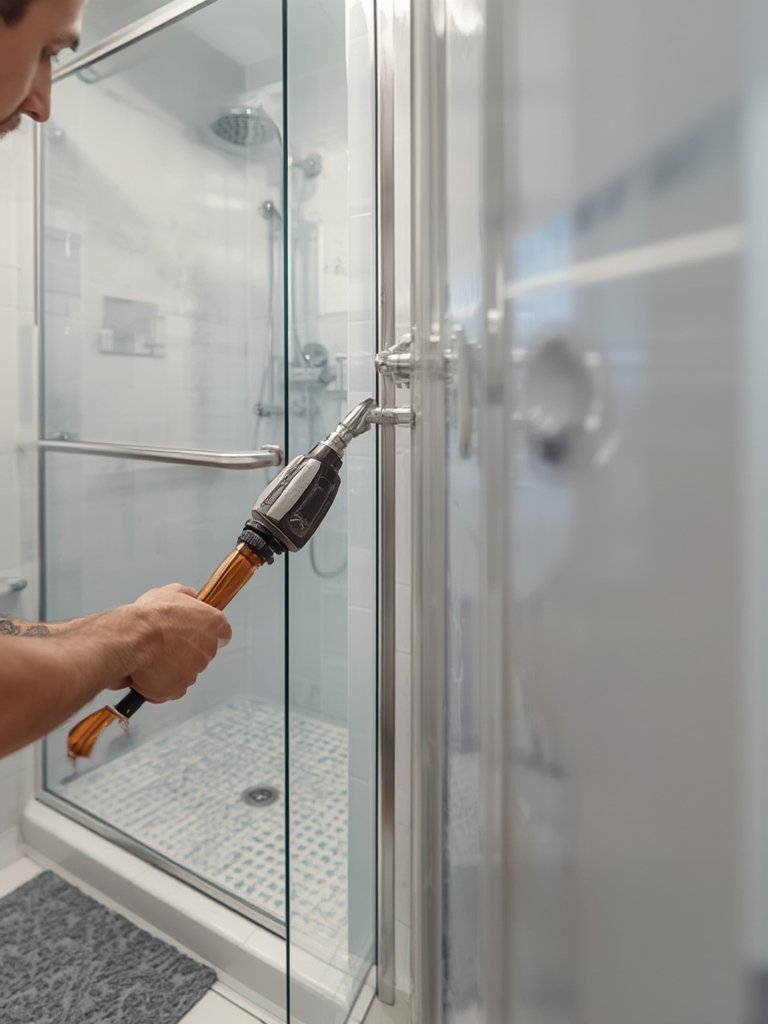
Small changes go a long way, so don’t feel you have to upgrade everything at once. The most effective features—grab bars, wider doorways, smart sensors—are often the least expensive yet deliver an outsized impact on daily life and independence. Explore more examples in our bathroom remodeling for aging in place resource.
Advanced Analysis & Common Pitfalls
Even seniors committed to aging in place face obstacles. Understanding these helps you avoid wasted time and money.
| Potential Pitfall | Details / Impact | How to Avoid |
|---|---|---|
| Overlooking Core Safety Risks | Focusing on appearances or convenience gadgets but missing slip hazards, dark hallways, or bathroom dangers. | Prioritize evidence-backed changes like non-slip flooring, grab bars, and improved lighting. |
| Cost Overruns & Incomplete Projects | Homeowners underestimate true costs—or don’t budget for long-term maintenance. | Use modest upgrades first, secure solid estimates, and maintain a reserve for repairs. |
| Technology Backfires | Smart home devices or cameras cause privacy worries, software confusion, or stop working if not maintained. | Opt for well-reviewed, senior-friendly tech and stick to essentials. Train all users and schedule regular updates. |
| Regulatory & Building Code Gaps | No federal or standardized code for private-home aging modifications. Local requirements may shift unexpectedly. | Work with licensed, knowledgeable contractors who understand local codes. Always get permits for large projects. |
| Post-Modification Letdown | Some seniors feel their homes are still not ready after upgrades, or modifications don’t fit real habits. | Follow up with routine check-ins and adjust features based on actual use and feedback. |
Recent surveys show only half of seniors feel “home ready” even after attempts at upgrades (ConnSense Report). Cost-of-living obstacles (affecting 67% of seniors) and unexpected tech headaches are real issues. Privacy with smart home tech is increasingly a worry for older adults and their families.
Many guides gloss over the emotional stress of remodeling or the frustration when changes just don’t fit real-world routines. To minimize regret, keep changes simple, address essential safety first, and review progress every few months.
Conclusion
Aging in place home modifications can make independent, safe living a reality as we age—when done with practical planning and ongoing adjustment. Prioritize features with strong research support, like grab bars and improved lighting, but don’t underestimate the real-life hurdles of cost, maintenance, and tech adoption. Ready to take the first step? Explore our full guide to aging in place and plan for a safer, happier home today.
FAQ Section
What are the easiest aging in place home modifications to install?
Grab bars in bathrooms and hallways, lever-style door handles, brighter lighting, and smart plugs are among the simplest changes. These can be installed in most homes without major renovations.
How much do major accessibility remodels usually cost?
Basic modifications (like grab bar installs) can start at under $200, while full bathroom or entry renovations can cost thousands. Still, these are far less expensive than moving to assisted living, which averages $3,000 to $9,000 per month.
Are smart home devices safe for seniors?
Yes, especially when chosen for ease of use and essential safety (like fall alerts or voice controls). However, privacy concerns are valid—choose reputable brands and adjust settings to limit data sharing where possible.
Can I get financial help for home modifications?
Possibly. Federal, state, and local programs may offer grants or low-interest loans. However, only about a third of eligible households currently receive aid, so check with local housing authorities and nonprofit organizations.
What should I avoid with aging in place upgrades?
Avoid trendy or unproven gadgets, skip changes that don’t address real daily needs, and don’t ignore maintenance. Focus first on proven features—you can always expand later.

[…] find combining security solutions with improvements like accessible bathroom modifications or aging in place upgrades creates a safer, smarter environment […]
[…] is especially attractive for aging in place home modifications and accessible bathrooms, thanks to its waterproof characteristics and slip resistance. These […]