Biophilic design elements directly shape how we feel at home—bringing nature indoors isn’t just a decor trend, it’s proven to influence mood, productivity, and even the air we breathe. If you want actionable ways to integrate nature into your interiors—without wasting time or money—this is your guide.
Key Takeaways
- Biophilic design elements like living walls, indoor gardens, and natural materials can transform well-being at home, even if precise wellness statistics are scarce.
- Most online guides miss crucial technical details: installation, ongoing maintenance, and long-term viability.
- Simple, realistic strategies—starting with manageable projects—are the most practical for homeowners aiming for an authentic nature-inspired interior.
- The Core Concept: What Are Biophilic Design Elements and Why Do They Matter?
- Step-by-Step Guide: Bringing Biophilic Design Home
- Advanced Analysis & Common Pitfalls
- Conclusion & Next Steps
- FAQ
The Core Concept: What Are Biophilic Design Elements and Why Do They Matter?
Biophilic design elements are features within the built environment that intentionally connect people to nature, using actual greenery, nature-inspired shapes, daylight, water, and organic materials in interior spaces. Their central purpose is to bridge the sensory and emotional gap between our indoor lives and the natural world—something more of us crave as urban and remote work lifestyles increase.
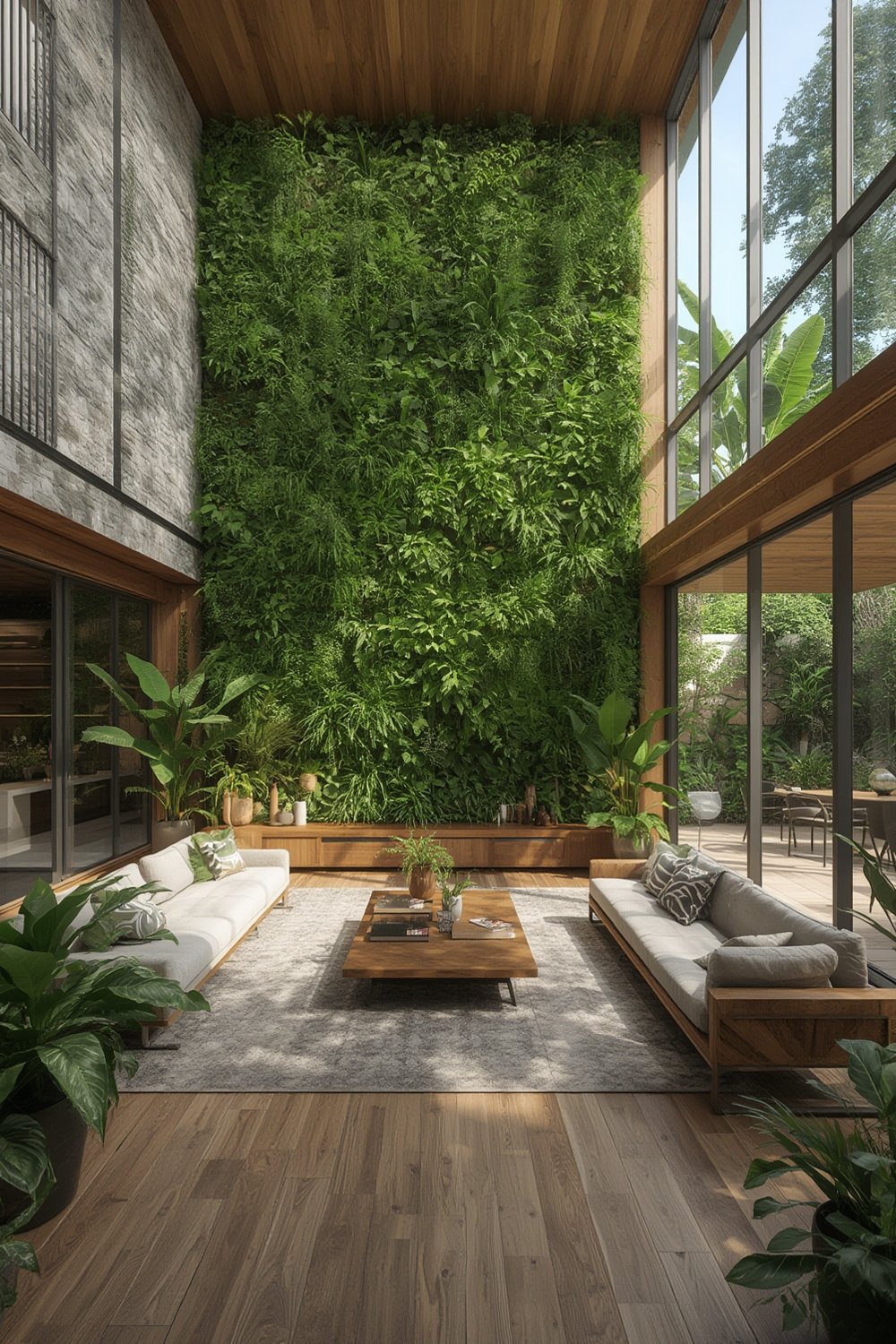
Studies consistently mention that indoor plants and natural finishes like wood or stone promote well-being and reduce stress, even if recent peer-reviewed statistics for homes remain elusive. For instance, Homefront Build’s 2024 trend review highlights living walls and indoor gardens as leading trends, noting their positive impact on relaxation and air purification. However, it’s worth noting there are no specific figures for how much these elements boost productivity or air quality in a typical home.
Direct elements—such as plants, running water, and daylight—bring a literal piece of the outdoors indoors, while indirect elements—organic texture, nature-inspired patterns, earthy colors—evoke the feeling of nature without adding living matter. Most interior trends in new architecture and home remodeling lean on this mix to foster comfort, creativity, and health.
For a practical foundation, see our guide on making your home more energy efficient, where indoor plant placement overlaps with daylight optimization—another major pillar of biophilic design.
Step-by-Step Guide: Bringing Biophilic Design Home
Ready to start? Here’s exactly how to bring biophilic design elements into your home—without overcommitting or overspending.
Step 1: Define Your Nature Goals
Decide what you want to feel in each room: calm, energized, focused, or simply “at home.” Your goal shapes your material and plant choices.
For detailed room-by-room inspirations, check out our living room layout guide.
Step 2: Choose Direct Biophilic Elements
- Indoor Plants: Use low-light friendly species (like pothos, snake plant, or ZZ plant) if your home has little sunlight. Group multiple pots for a lush, layered look, and remember: fewer species but more specimens per type makes maintenance simpler.
- Living Walls: Prefabricated panels or modular systems make vertical gardens more accessible than ever. Kits are widely sold at home improvement stores but check for built-in irrigation. Living walls offer the strongest visual nature connection—just be realistic about upkeep (see Advanced Analysis below).
- Water Features: Tabletop or wall-mounted fountains can mimic the sound of nature, enhancing relaxation in entryways or offices.
- Natural Light: Prioritize window placement and use sheer curtains rather than blocking sun. In planning a renovation, see our value-boosting home upgrades for window optimization tips.

Step 3: Layer in Indirect Biophilic Elements
- Natural Materials: Add wood, stone, bamboo, terracotta, cork, or wool in flooring, furniture, and accessories. For eco-friendly picks, research certifications like FSC for wood or GREENGUARD for low-VOC finishes.
- Biomorphic Patterns: Pick upholstery, rugs, or wallpaper featuring botanical shapes, leaves, stones, or water ripple motifs. Use these sparingly—they work best as accents.
- Earthy Colors: Use greens, browns, ochres, and soft blues to anchor your palette. For cohesive palettes, our bedroom color guide offers step-by-step instructions.
Step 4: Consider Installation and Upkeep
- Living Walls: Expect a minimum weekend project if assembling kits, or 2-4 days for full-scale installations. Professional installation may run from $1000–$2500 for average home surfaces but confirm current local quotes given 2024’s pricing trends.
- Plant Care: Factor in weekly watering, occasional pruning, and pest monitoring. Many new wall systems offer automated watering but always read manufacturer instructions.
- Material Sourcing: Seek out salvage yards or buy reclaimed wood and stone for savings. Look for local suppliers with sustainability certifications.
Step 5: Make It Sustainable
- Use only certified wood or recycled stone; avoid plastics disguised as “natural” finishes.
- Source plants from nurseries that avoid chemical pesticides.
- If you’re unsure where to buy, our home improvement stores list includes reputable, sustainable suppliers.
Step 6: Personalize and Expand
Let results guide your scaling: if a kitchen herb wall is manageable, expand to the living room or bedroom. Avoid copying magazine spreads—tailor your design to light, climate, and your lifestyle. If possible, add a featured nature artwork (like a local landscape painting) to complete your biophilic zone.
Advanced Analysis & Common Pitfalls
Even with the best intentions, most homeowners face obstacles when adding biophilic design elements. Here are the most common issues—plus realistic ways to solve or avoid them.
| Issue | Problem in Reality | Workable Solution |
|---|---|---|
| Overcommitting with Large Installations | DIY living walls often fail due to inadequate irrigation or light. Mold and water damage are common if waterproofing isn’t perfect. | Start with a modular, preassembled panel. Test in a small area for 1-2 months before a full installation. |
| Maintenance Neglect | Plants can decline fast with inconsistent watering or pests. Homeowners sometimes give up after a few months. | Pick only a few easy-care species. Set recurring phone reminders for plant-centric tasks. |
| Sourcing “Natural” Materials That Aren’t Eco-Friendly | Some finishes marketed as sustainable are plastic-based, high-VOC, or sourced unethically. | Look for certification like FSC (Forest Stewardship Council) and GREENGUARD. Confirm country of origin. |
| Lighting Overlooked | Not all spaces have enough sunlight for living greenery. Shade-loving plants may still suffer in extremely dark rooms. | Invest in full-spectrum LED grow bulbs where needed. |
| Short-Lived Aesthetics | Installing bold features (like oversized living walls) may look great on day 1 but feel overwhelming or messy later, especially without a cohesive design plan. | Layer changes over time and update seasonally rather than all at once. |
In reality, most guides skip over these hands-on details, focusing instead on visual inspiration. Top articles often fail to mention ongoing maintenance, authentic material sourcing, and installation timelines or costs (as seen in Toulmin Cabinetry’s expert roundup). Always do your due diligence—both for your space and budget.
If you’re still in research mode, our post on top renovation mistakes to avoid reveals other pitfalls common in complex home upgrades.
Conclusion & Next Steps
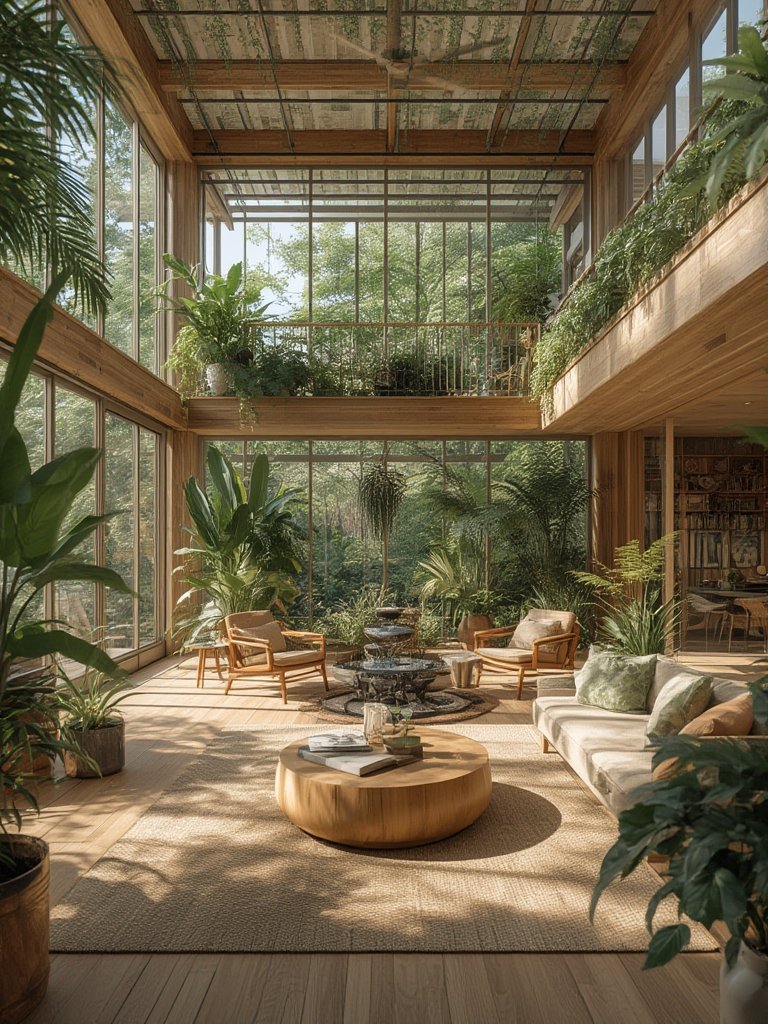
Integrating biophilic design elements is realistic for any homeowner—if you start small, prioritize real over artificial, and plan for ongoing care. Living walls, abundant natural light, sustainable materials, and thoughtfully chosen plant species can all build a true connection to nature at home. Even though the scientific literature hasn’t yet caught up with the residential trend, the feel-good benefits of biophilic design elements are being seen by homeowners every day.
Ready to get started? Begin with your first biophilic microzone today—or share your questions in the comments for customized advice!
FAQ
Which indoor plants are best for low-light conditions?
Some of the most resilient low-light plants include snake plant, pothos, ZZ plant, and peace lily. These can thrive with indirect or minimal sunlight.
How often do living walls need to be watered or maintained?
Living walls usually require watering 1-2 times a week, but automated irrigation systems can reduce manual effort. Check for leaks, pests, and pruning needs monthly.
What certifications should I look for when buying sustainable wood or stone?
For wood, the FSC (Forest Stewardship Council) certification ensures responsible forestry. For stone, prioritize locally-sourced or products with a clear chain of custody.
Are biophilic elements expensive to add to a standard home?
Entry-level biophilic improvements—like potted plants or natural fiber rugs—are affordable for most. Living wall installations or premium sustainable materials raise costs, so start small and scale as your budget allows.
Do biophilic design elements really improve indoor air quality?
There’s strong evidence that living plants contribute to air purification, but the measurable impact in homes depends on plant number, species, and maintenance. No precise 2024 statistics yet exist for typical residences.