Groutless shower walls are rapidly changing how homeowners approach shower renovation, offering a modern, low-maintenance alternative to traditional tile. If you’re considering updating your bathroom or want a solution that is both sleek and hassle-free, groutless shower walls could be what you’ve been looking for.
Key Takeaways
- Groutless shower walls provide a seamless appearance, eliminate the need for constant grout cleaning, and match current design trends for low-maintenance living.
- While installation may seem simple, attention to edge sealing and plumbing compatibility is essential for long-term durability and leak prevention.
- Customization options are broad, but upfront costs and technical details should be carefully considered before choosing groutless systems over tile.
- What Are Groutless Shower Walls and Why Choose Them?
- How to Install Groutless Shower Walls: Step by Step
- Advanced Analysis and Common Pitfalls
- Conclusion
- FAQ
What Are Groutless Shower Walls and Why Choose Them?
Groutless shower walls are large-format panels or slabs—typically made from solid surface, porcelain, cultured marble, or other composite materials—designed to cover the shower enclosure seamlessly, without the visible grout lines found in traditional tile. This innovation directly addresses several frustrations homeowners have with cleaning, moisture intrusion, and dated aesthetics.
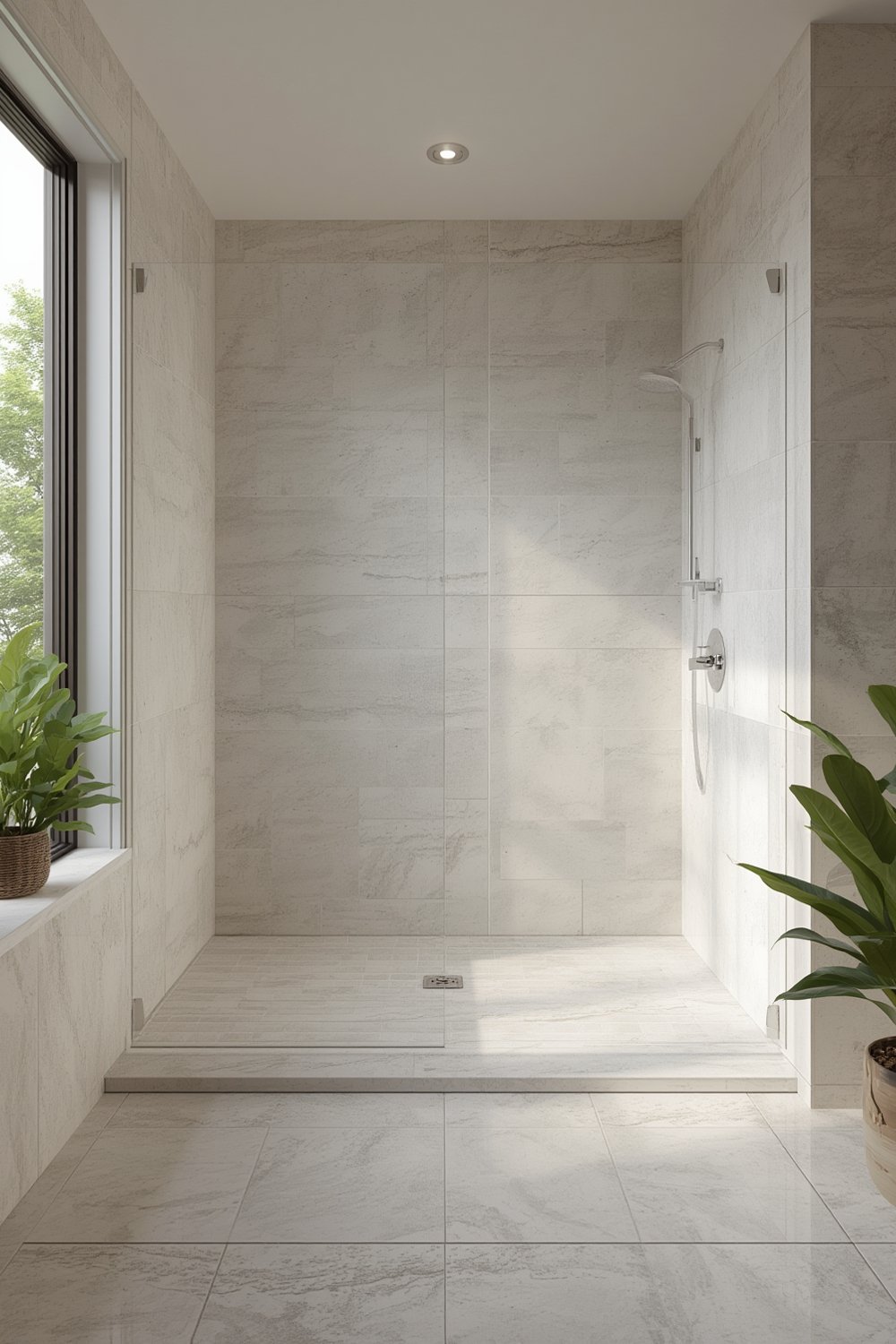
In recent years, there’s been a strong shift towards these paneled solutions. According to recent market research, 74% of renovators now favor large, grout-free panels over traditional tiles. Frameless glass doors (used in 73% of new showers) pair beautifully with these panels, amplifying the modern, uninterrupted look. This movement is not just residential—cultured marble and similar materials are standard in hotels and student housing thanks to their speed of installation and lower maintenance needs.
Why go groutless? Traditional tile often leads to challenging maintenance and eventual staining or mildew buildup. Groutless systems are designed for cleanliness, visual simplicity, and long-term performance. They’re ideal for busy families, minimalists, and anyone who wants a luxurious modern bathroom without extra work.
If you want more information about choosing the right shower surface, our guide on solid surface vs tile shower walls may help you compare options.
How to Install Groutless Shower Walls: Step by Step
Upgrading to groutless shower walls can be straightforward, but small mistakes can create costly problems. Here’s a clear, stepwise process suitable for most major systems (cultured marble, solid surface, and porcelain slabs):
- Prep the Surface: Thoroughly remove old shower walls, clean the backer board (typically cement or waterproof wall board), and verify that surfaces are dry, level, and smooth.
- Find Studs and Mark Cutouts: Locate wall studs and mark any plumbing, valve, or showerhead openings. Accurately measure—mistakes here can force panel replacement.
- Dry-Fit Panels: Place each panel in its final position to check fit, shimming as needed. Trim with a circular saw or diamond blade if necessary. Panels are usually heavy, so a second person is helpful.
- Apply Adhesive: Use a manufacturer-approved wall panel adhesive in a continuous bead or in “S” patterns. Make sure every corner and edge gets full coverage but avoid gaps or excess build up.
- Set and Level Panels: Firmly press panels to the wall in their final orientation, starting with the back wall. Use shims or spacers to keep things level while the adhesive sets.
- Seal All Edges and Joints: Carefully apply waterproof silicone sealant to every edge, corner, and especially around plumbing penetrations. This step is crucial for avoiding leaks that could damage your walls.
- Install Accessories: Attach shelves, corner caddies, or integrated accessories using manufacturer hardware or approved adhesives. Do this after panels set, not before.
- Final Inspection: Remove all protective film, check for gaps or incomplete sealant, and test water flow to ensure there are no hidden leaks.
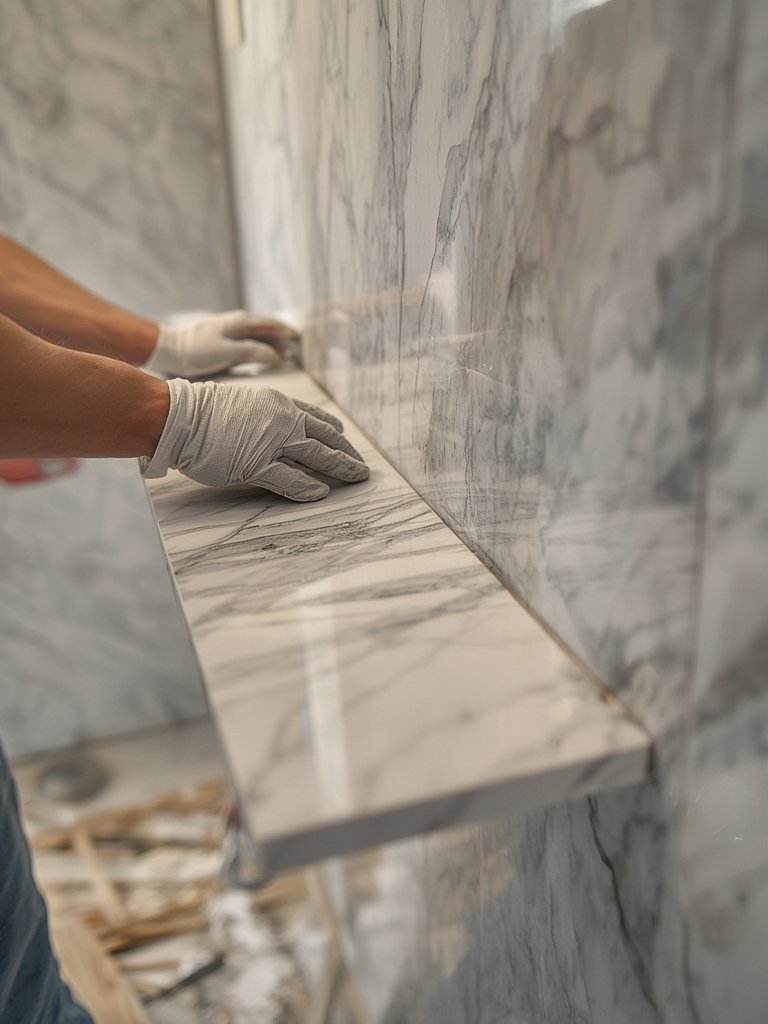
If you’re considering a DIY approach, review our shower wall panel installation mistakes article for pitfalls to avoid. For detailed product selection advice, our page on best shower wall materials covers popular options, including cost and longevity factors.
Advanced Analysis and Common Pitfalls
Groutless shower walls offer compelling advantages, but several overlooked challenges need your attention, especially if long-term durability and water resistance are priorities. Research shows that market leaders love seamless installation and quick cleaning, but technical info is hard to find.
Common Pitfalls
- Poor Edge Sealing: Missed or thin silicone lines at corners or plumbing cutouts can lead to costly water intrusion and future repairs.
- Panel Expansion Issues: Some panels expand and contract slightly, so leave correct expansion gaps (see manufacturer specs) and use flexible sealant. Overtightening hardware will cause stress cracks over time.
- Lack of Certified Non-Porous Ratings: Many brands claim non-porosity but rarely provide third-party test data. When mold/mildew resistance is critical, ask for specifics or certifications before purchase. For general info, the Sentrel Bathroom Trends overview explains some performance details.
- Compatibility with Fixtures: Some panels are difficult to cut or drill for customized plumbing layouts compared to simple tile. Plan ahead—order panels pre-cut if possible.
- Initial Costs: Although groutless systems offer savings in long-term maintenance, up-front costs can be higher than budget tile, especially for premium cultured marble or slab porcelain. There is no detailed pricing data for 2024, but the U.S. tile market remains very large for a reason.
Comparison Table: Groutless Shower Walls vs Traditional Tile
| Feature | Groutless Shower Walls | Traditional Tile |
|---|---|---|
| Appearance | Seamless, large panels, modern | Visible grout lines, pattern flexibility |
| Maintenance | Minimal (wipes clean, no grout scrubbing) | Frequent grout cleaning, resealing as needed |
| Installation Time | Quick—Often 1-2 days | Labor-intensive—3-5 days typical |
| Mold/Mildew Risk | Lower (few seams, nonporous surface) | Higher (grout is porous and retains moisture) |
| Edge/Fixture Challenges | Requires careful pre-planning and special tools | Easier to fine-tune at install |
| Upfront Cost (2024) | Often higher, especially for slabs | Broad range—DIY tile can be cheapest |
| Customization | Many color/pattern options, some faux grout textures | Virtually unlimited via tile selection/layout |
In commercial or heavy-use environments, cultured marble and solid surface panels are widely used for fast turnover and durability. Detailed technical specs on scratch-resistance and colorfastness are rarely published, though most brands promise resilience. For a closer review of durability, our shower wall panel vs tile durability analysis dives deeper into test comparisons and real-world findings.
Conclusion
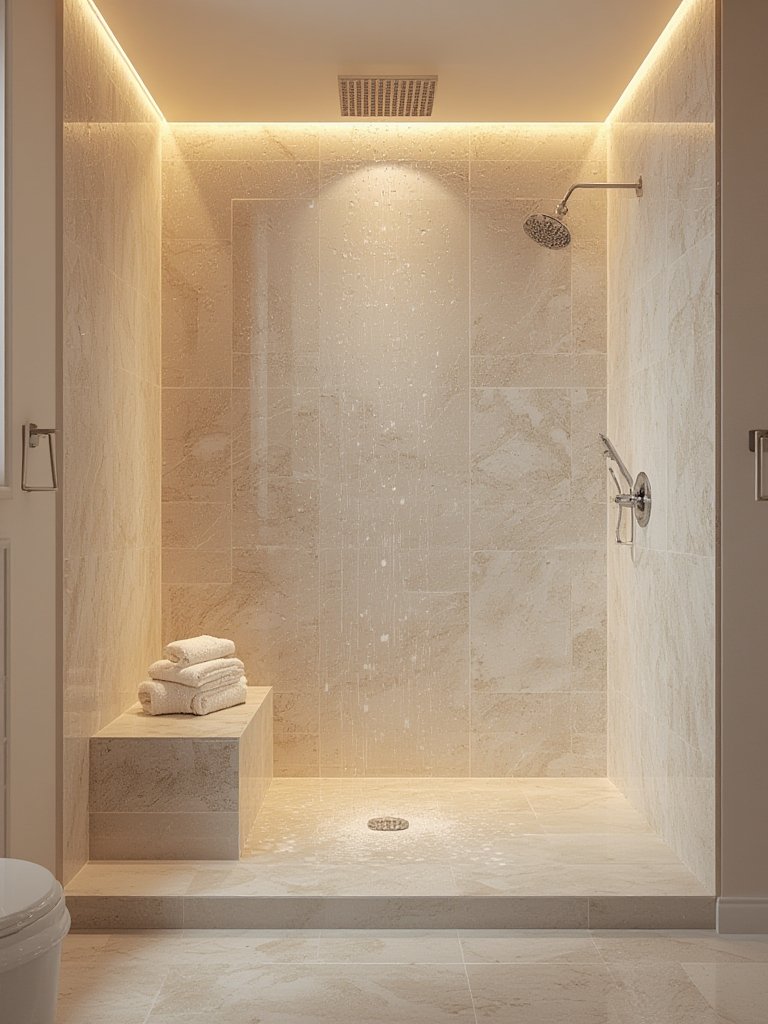
Groutless shower walls deliver a modern look with outstanding ease of maintenance and have become a leading choice for bathroom remodels in 2024. With careful planning, attention to edge sealing, and an understanding of installation nuances, you can avoid leaks and future headaches. Groutless shower walls may cost more upfront, but they provide a clean, luxurious finish that saves time and effort for years to come.
Thinking about taking your bathroom to the next level? Explore products, compare manufacturers, or contact a professional for help. Want to see more modern renovation tips? Check out our bathroom remodeling ideas or frameless shower door pros and cons for complementary upgrades.
FAQ
Are groutless shower walls truly waterproof?
When installed correctly with full silicone sealing at all joints and edges, groutless shower wall panels are highly water-resistant. However, improper installation or skipped sealant can result in leaks, just like with any wall system.
How do I clean and maintain groutless shower walls?
Most panels require only a mild soap and soft cloth. Abrasive pads or harsh cleaners are not recommended for cultured marble or solid surface, as they can scratch the finish.
Can I install groutless shower panels over old tile?
Some systems allow direct installation over existing tile if the surface is dry, sound, and level. Check with your panel manufacturer for specific requirements and warranty limitations.
Do groutless wall panels come with integrated shelves or niches?
Many brands offer accessories like shelves or built-in niches, but these are usually installed after the main panels, not molded directly in. Always follow the manufacturer’s guidelines to ensure water resistance.
Are groutless shower walls more expensive than tile?
Upfront costs are usually higher for quality groutless panels, especially solid surface or slab options. Long-term, you may save on maintenance and repairs due to fewer grout joints and faster cleaning.