Smart home devices worth buying in 2024 go beyond trendy gadgets—they solve real problems, boost energy savings, and simply make life easier. But not all smart home products are worth your money, and there are hidden pitfalls to watch for before you buy.
Key Takeaways
- smart thermostats, LED lighting systems, security cameras, robot vacuums, and select entertainment devices deliver the best return on investment and real convenience in most homes.
- Major pain points include subscription fees, unreliable connectivity, setup frustration, and privacy concerns. Not all devices play nicely together—choose carefully for your ecosystem.
- Some smart devices can pay for themselves within a few years through energy savings and insurance discounts, but only if you optimize your home’s network and choose brands with strong long-term support.
- What Makes a Smart Home Device “Worth Buying”?
- How to Pick the Right Smart Home Devices (Step-by-Step)
- Advanced Analysis & Common Pitfalls in 2024
- Conclusion
- FAQ
What Makes a Smart Home Device “Worth Buying”?
Not every smart home gadget is a sound investment. As the global market matures—now at over $154 billion with flat overall growth—the smart home devices truly “worth buying” in 2024 fall into clear categories. These include smart thermostats, LED lighting systems, security cameras, robot vacuums, and smart TVs or streaming hubs. Unlike flashy novelties, these categories are top sellers for a reason: they save time, save energy, or solve actual frustrations at home. Importantly, devices in these segments see the highest household adoption in both the US (93% own at least one) and China (over 90%), according to Strategic Market Research and IDC market data.
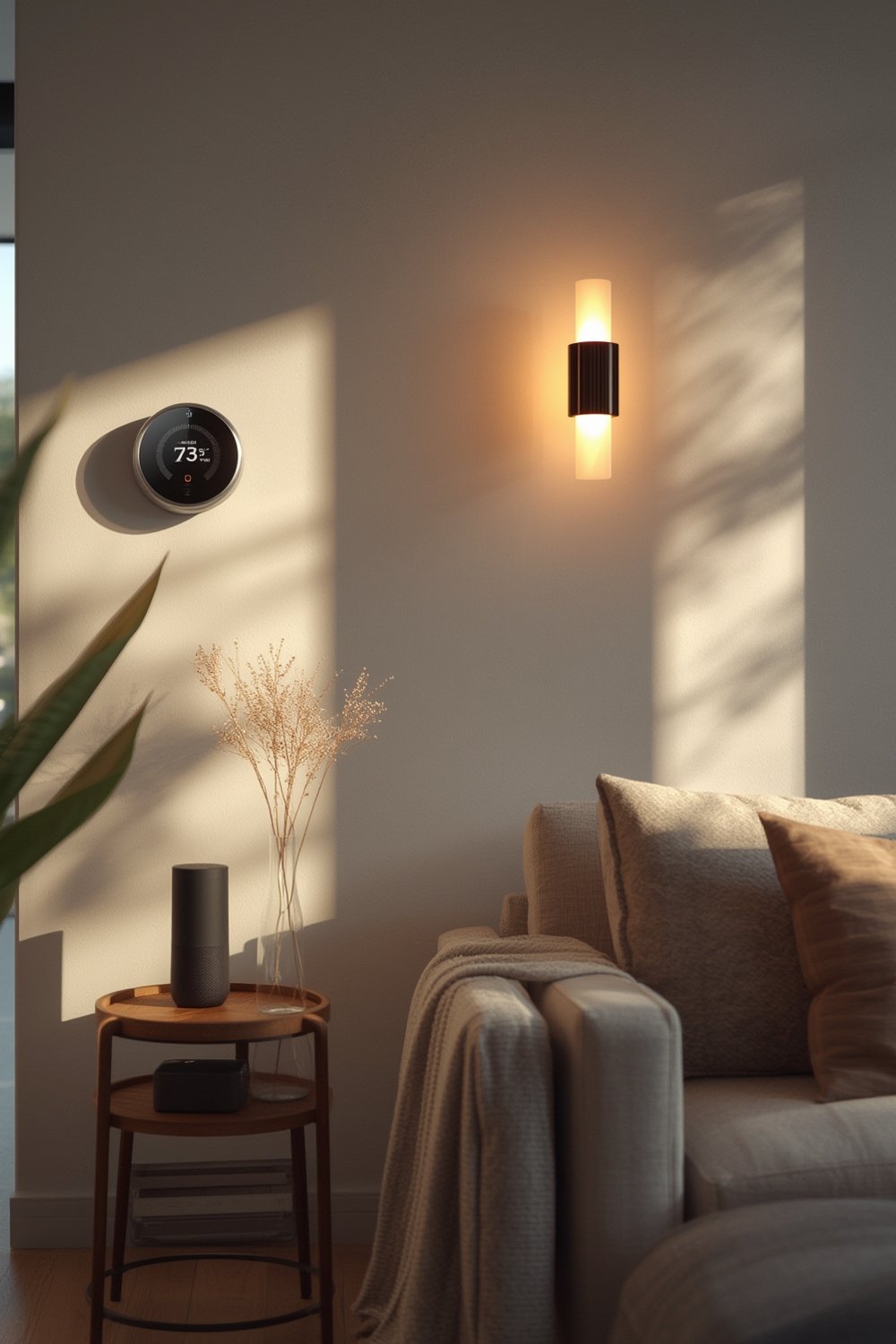
What sets these devices apart is their tangible ROI. Smart thermostats and LED lighting can lower your utility bills by 10–20 percent or more, often paying for themselves in two or three years. Security systems may bring insurance discounts or prevent costly loss. Robot vacuums save hours each month. Across the board, these high-adoption categories have evolved—with robust compatibility, maturing privacy controls, and energy-saving features—making them truly worth considering in 2024. However, with the ecosystem landscape (Alexa, Google, Apple, and Matter), up-front prices, compatibility headaches, and more, picking wisely and planning your home’s setup is crucial.
How to Pick the Right Smart Home Devices (Step-by-Step)
- Audit your needs and pain points. Ask: What daily hassle do you want to solve? Are you trying to lower bills, improve safety, or simply want voice control? Prioritize devices that address real frustrations or offer measurable savings.
- Map out your ecosystem and network limits. If you already use Alexa, Google Assistant, or Apple Home, buy within your ecosystem for the best compatibility. Consider Matter support for future-proofing. Check if your Wi-Fi or router can handle the number of planned devices (mesh Wi-Fi or a newer router is a must for large or camera-rich homes).
- Start with one high-impact category. For most homeowners, this means either a smart thermostat, smart lighting, or security system. Dive deeper into each category for smart lighting, security systems, or thermostat installation for specifics, brand breakdowns, and potential rebates.
- Compare true long-term costs. Don’t just look at device price—add cloud/storage subscription fees, projected part replacements, and whether you may need a paid app or hub.
- Check installation and energy requirements. Can you DIY a thermostat swap, need a wall neutral wire, or require an electrician? Are you replacing all bulbs or just a few? LED and Energy Star-certified gear yields highest utility savings; consult your area for rebates.
- Only add convenience devices after essentials are stable. Once core devices work reliably, consider robot vacuums, smart plugs, smart appliances, or displays for added comfort and automation.
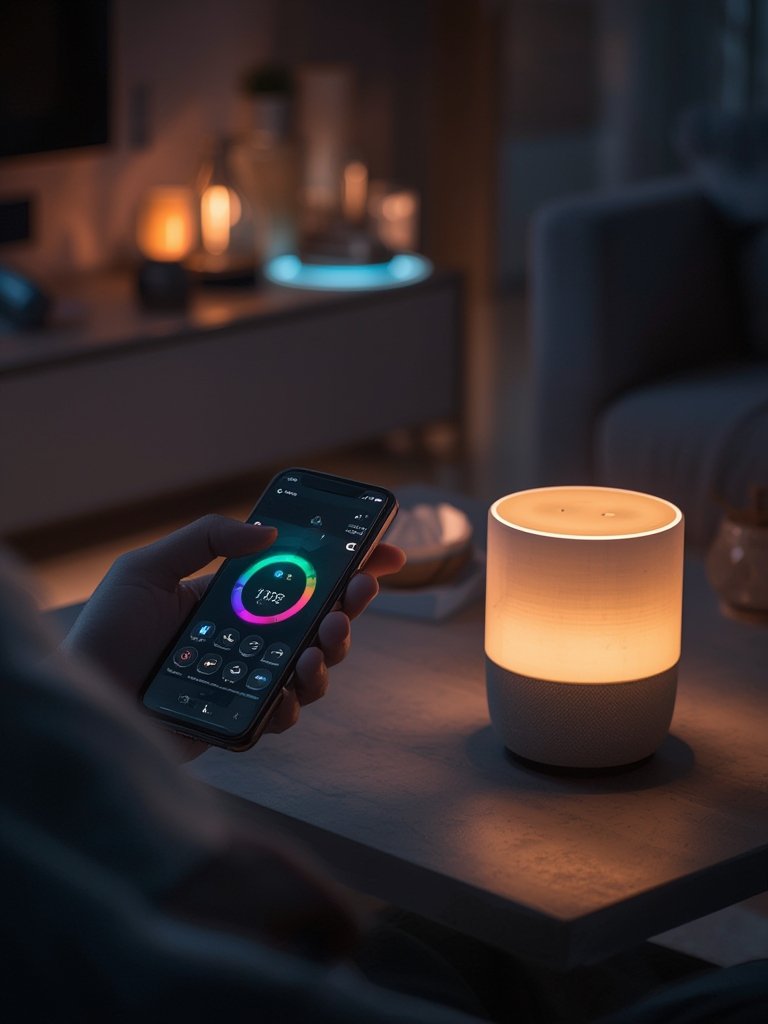
Finally, think lifecycle. Choose brands that commit to long-term support—nothing’s worse than a device that’s bricked after a year. If repairability or e-waste matters, research battery replacement and app longevity, especially on robot vacuums or cameras. For full list-building, review robot-vacuum selection tips and other advanced guides.
Advanced Analysis & Common Pitfalls in 2024
The most “worth buying” smart home devices deliver energy savings, security, or day-to-day convenience—but every year, reviews and real-world feedback reveal predictable user pain points. Here’s what to expect in 2024:
- Network congestion and Wi-Fi issues. As users add more cameras, TVs, and gadgets, routers can slow or devices disconnect. Many budget smart plugs, bulbs, and cameras only work on 2.4 GHz Wi-Fi. Upgrading to mesh Wi-Fi or Wi-Fi 6 and spreading devices across multiple access points often fixes this.
- Subscription fatigue. Many “affordable” cameras, video doorbells, or thermostats charge monthly fees for important features (cloud storage, advanced alerts, historical data). Always price out five years of ownership, not just the initial cost.
- Setup frustration and app overload. Owning brands from different ecosystems demands multiple apps. Even with the new Matter standard, not all products fully integrate. Advanced automations and local APIs are often poorly documented.
- Privacy and security worries. Concerns about hacking, default passwords, and constant listening are rising. Choose products with regular firmware updates, published security commitments, and options for local-only mode. For deep dives into security, see this guide on building safe home surveillance setups.
- Lifecycle and support limitations. Cheaper brands may drop cloud or app support in 2 or 3 years, bricking devices.
| Category | 2024 Typical Price | Compatibility | Energy / Efficiency Notes |
|---|---|---|---|
| Smart Thermostats (Google Nest, Ecobee, Tado) | $120–250 | Works with Alexa, Google; some with Apple/Matter; energy rebate eligible | 10–23% HVAC savings, pays for itself in 1–3 years |
| Smart Lighting (Philips Hue, LIFX) | $10–30/bulb | Wi-Fi, Zigbee, Matter, Alexa, Google, Apple | LED tech = 80–85% savings vs incandescent, fast payback |
| Security Cameras & Doorbells (Ring, Arlo, Eufy) | $60–250 + $3–15/mo cloud plan | Alexa, Google; limited HomeKit; limited Matter | Modest energy use, main benefit is security/insurance discounts |
| Smart Plugs & Switches | $10–60 each | Alexa, Google, Apple, Matter | Measurable kWh savings, especially for always-on electronics |
| Robot Vacuums (Roborock, iRobot, Dreame) | $250–1,500 | Alexa, Google/app | Major time saving, moderate energy use, watch for battery life and service |
| Smart Appliances | $100s–$1000s (smart premium: $100–400) | Brand app, Alexa, some Matter features | Most energy savings from efficiency design (Energy Star) |
For more guidance on smart lighting energy benefits, see top smart lighting tips and how these systems stack up against traditional bulbs.
Environmental impact rarely appears in device marketing but matters. Longevity, repair-friendly designs, and battery availability make big differences in e-waste and replacement cost. We cover lifecycle planning for aging-in-place homes and accessibility upgrades as well.

Finally, always check whether a hard-wired device (thermostat, switch, appliance) is compatible with your home’s voltage and wiring. Lack of a neutral wire is a classic stumbling block—see bathroom upgrade tips for smart, accessible remodeling ideas that account for such constraints.
Conclusion
The smart home market is bigger—but not all smart home devices are worth buying in 2024. Focus on thermostats, efficient lighting, robot vacuums, security systems, and plugs to get the best value, energy savings, and day-to-day improvements. Scrutinize compatibility, watch for recurring fees, and future-proof your network to avoid the common pitfalls outlined above.
If you choose products wisely, most core smart home devices worth buying will pay off in under five years—sometimes much faster. Start small, invest in infrastructure (like strong Wi-Fi), and always review the brand’s track record for updates and support. Ready to get started? Evaluate your needs today and upgrade your home with must-have smart devices that make a lasting impact.
FAQ
Which smart home device category delivers the fastest payback?
Smart thermostats and LED-based smart lighting usually offer the quickest ROI, delivering 10–23% HVAC energy savings or 80%+ reduction in lighting costs—often recouping their purchase price in 1–3 years.
Are robot vacuums really worth it?
Robot vacuums save substantial time and effort, especially in large homes or those with pets. The best-reviewed models last years with proper maintenance. For energy savings alone, impact is moderate compared to smart thermostats and lighting.
Do I need to pay for smart device subscriptions?
Many security cameras, doorbells, and some thermostats charge monthly fees for advanced features (cloud storage, continuous recording, etc.). Always add up five years of ownership costs before buying.
What if my Wi-Fi isn’t good enough for lots of smart devices?
Upgrade to mesh Wi-Fi and consider using Zigbee, Z-Wave, or Thread networks for key sensors and plugs. Spread device load across multiple access points if possible.
How can I make sure devices won’t get bricked by discontinued app or cloud support?
Choose brands with strong support commitments and published update schedules. Prefer devices that can work locally (without cloud-only dependencies) and check third-party reviews for longevity.
—