Split level home remodel projects are among the most practical ways to update, expand, and modernize one of America’s most common mid-century home styles. If you want to maximize space, enhance curb appeal, and boost resale value, a focused approach is essential—especially in 2024 when costs and ROI matter more than ever.
Key Takeaways
- Garage Door Replacement and entry door replacements deliver the best ROI and instant curb appeal out of all split level remodel options this year.
- Actionable planning is a must—open concept renovations and basement updates come with unique challenges and require structural due diligence.
- Regional cost differences and resale value potential can be dramatic—optimize your split level remodel for local market demand.
- Core Concept: What Is a Split Level Home Remodel?
- Step-by-Step Guide to Remodeling a Split Level Home
- Advanced Analysis & Common Pitfalls
- Conclusion
- FAQ
Core Concept: What Is a Split Level Home Remodel?
A split level home remodel reconfigures or updates a house built with staggered floors—two or three short sets of stairs connecting the main level, upper bedrooms, and a lower level like a family room or basement. These homes, popular from the 1950s to 1970s, often feel dated but offer incredible potential for improved flow, space use, and modern style.
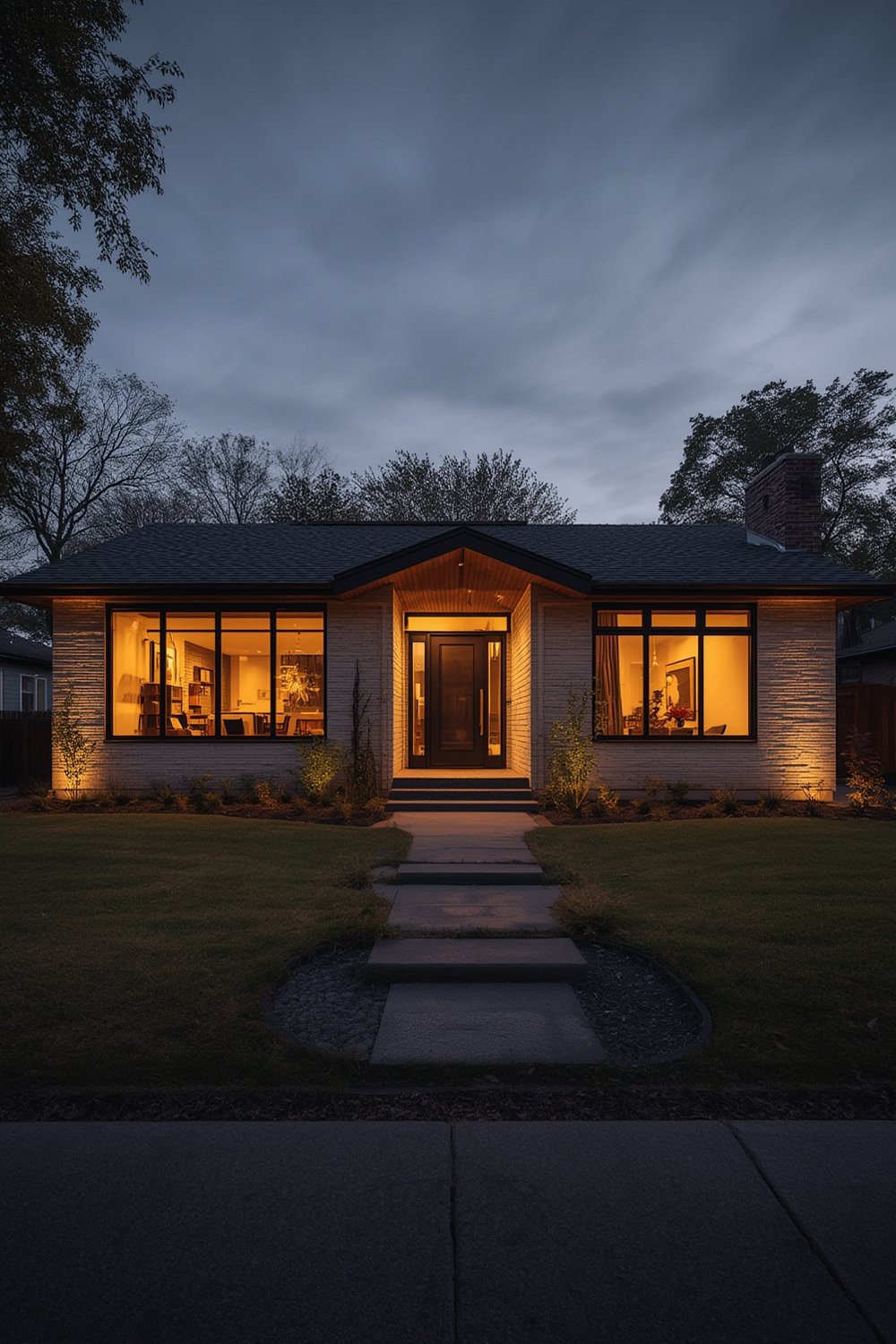
Remodeling a split level can:
- Improve everyday function with open concept layouts
- Increase home value with high-ROI upgrades like new garage doors and updated entries
- Resolve awkward transitions or lighting issues common to original plans
- Modernize exteriors to better match current neighborhood styles (learn more about exterior trends)
Many split levels also feature underused basements or separate entrances that can be reimagined for added living space, main floor bathrooms, or even rental units.
Done right, a split level home remodel can feel like a brand new house, often at a much lower cost than building new.
Step-by-Step Guide to Remodeling a Split Level Home
-
Define Your Remodel Goals
- Do you want better flow, more light, or greater curb appeal?
- Is maximizing resale value a priority or is this your forever home?
-
Assess Existing Structure and Priorities
- Entryways and garage doors give the best ROI across the US: replacing a garage door averages $4,513 and recoups up to 194% of its cost.
- Replacing a steel entry door costs about $2,355 and returns 188%—one of the easiest curb appeal wins (full 2024 ROI report).
- Manufactured Stone Veneer modernize without major construction (ROI up to 153%).
-
Plan Floor Plan Changes Carefully
- Open concept remodels are popular but risk challenging structural or code requirements—always consult a structural engineer or design pro before removing any walls.
- Main floor bathroom additions are increasingly in demand, especially for aging in place (how-to guide).
-
Get Professional Estimates
- Request local bids for each major project area—entry updates, curb appeal, basement finishing. Costs and labor rates vary widely.
- Ask contractors specifically about experience with split level home remodels and supporting load-bearing changes.
-
Implement Improvements with ROI in Mind
- Tackle the highest-impact, highest-return projects first—often entry doors, garage doors, and exterior cladding.
- Maximize every inch inside: convert basements or awkward spaces into usable rooms, home offices, or walk-in closets (organization tips).
- Consider energy-efficient upgrades (windows, insulation) to improve long-term value (window upgrade advice).
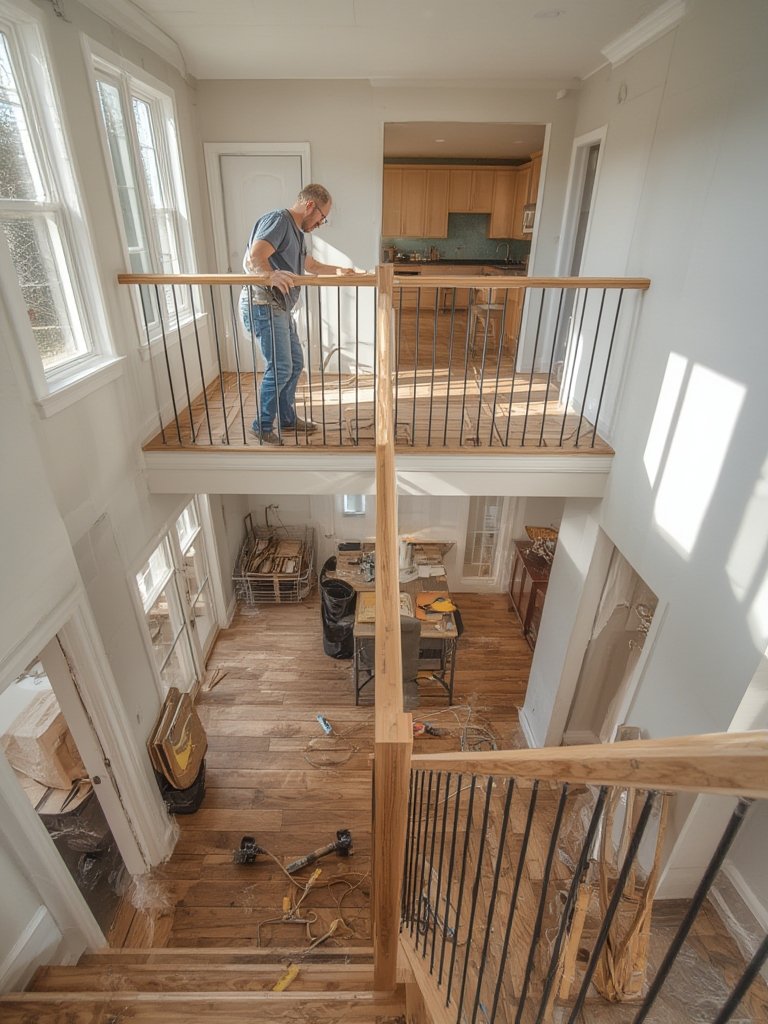
- Use smart lighting to brighten stairwells and split foyer entries (lighting ideas).
- Upgrade low ceiling areas (like split level basements) with light wall colors and recessed fixtures.
- Reconfigure under-stair areas for extra storage or mudrooms (storage solutions).
Advanced Analysis & Common Pitfalls
While major projects like curb appeal upgrades are straightforward, open concept renovations and full basement conversions in split level homes have unique challenges:
- Limited Split Level Data: There is little split level-specific cost, ROI, or challenge data. Most cost versus value numbers reflect national averages.
- Building Code Surprises: Removing interior walls to open up split level main floors almost always requires careful review of load-bearing walls and city permits. Mistakes here can cause costly structural problems.
- Poor Natural Light: Original split level layouts often have small windows and dark stairways, requiring extra design consideration.
- Disrupted Transitions: Multiple short staircases and split entries can make flow awkward if not addressed. Plan how each level connects for maximum usability—not just looks.
- Cost Overruns: Basement remodels or reconfiguring split foyers may reveal hidden issues, like moisture, radon, or outdated wiring.
| Project Type | 2024 National Avg Cost | Avg Resale Value | ROI (%) | Notes |
|---|---|---|---|---|
| Garage Door Replacement | $4,513 | $8,751 | 194 | Highest ROI across all regions |
| Steel Entry Door Replacement | $2,355 | $4,430 | 188 | Great curb appeal, quick update |
| Manufactured Stone Veneer | $11,287 | $17,291 | 153 | Modernizes exteriors |
| Major Kitchen Remodel | $79,982-$158,530 | 38-49.5% ROI | 38-49.5 | Not split level-specific |
For region-specific numbers, New England and the Pacific region both see ROI for curb appeal projects substantially above national averages, with garage door replacements hitting 314.7% and steel entry doors up to 249.9% (see source).
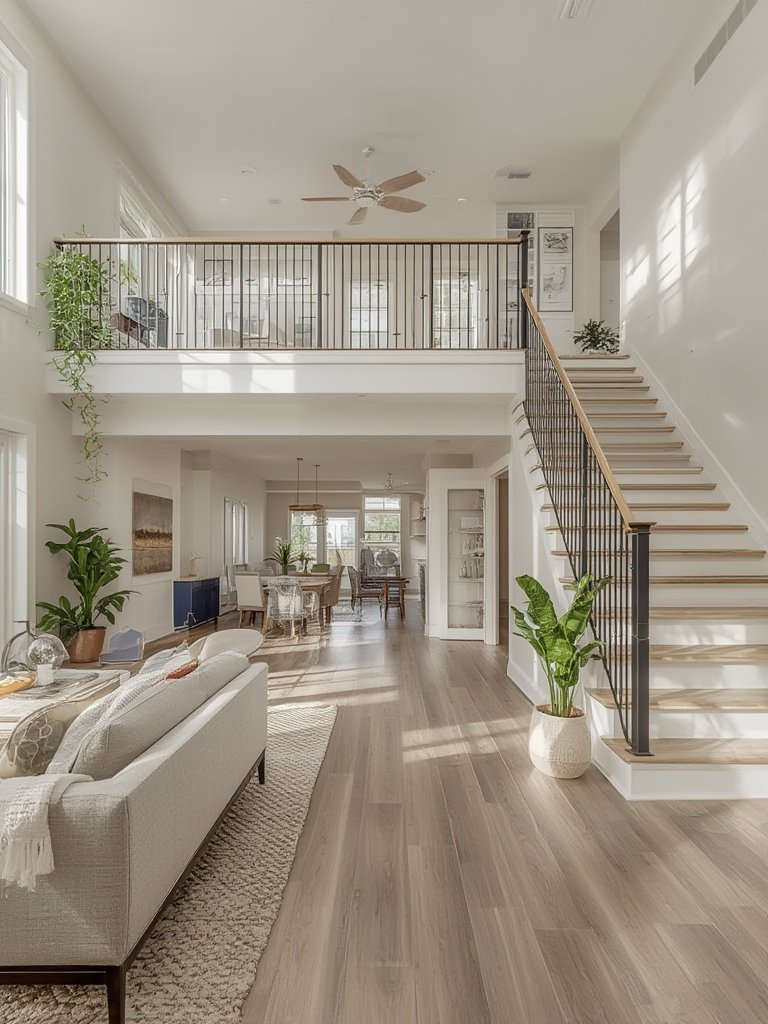
Many common split level remodeling problems can be avoided by working with specialist contractors and prioritizing entry and exterior projects first, before investing in open concept or basement changes.
Conclusion
When executed methodically, a split level home remodel brings big lifestyle gains and market value. The most reliable upgrades—garage doors, entry doors, and manufactured stone exteriors—are proven ROI leaders and usually offer the fastest, most dramatic transformation.
Open concept projects and basement remodels require more planning and professional input, but can unlock substantial usable space, support aging in place (universal design tips), and allow you to modernize your home for the long term.
Ready to start your own split level home remodel? Begin with high-impact, high-ROI projects and consult local pros for structural or design advice tailored to your region. For more design upgrades, check out our biophilic design guide or see the ultimate split level renovation resource. Don’t put off your dream transformation—plan your project today!
FAQ
What is the most cost-effective upgrade for split level homes?
Garage door and entry door replacements offer the highest return on investment—often recouping 188% to 194% of cost in resale value according to 2024 national data.
How do I make my split level home feel more open?
Create wider sightlines by removing non-load-bearing interior walls, relocate or open up partitioned stairways, and use consistent flooring and paint colors throughout all levels. Always consult a structural professional before removing any wall.
What are common pitfalls with split level home remodels?
Misidentifying load-bearing walls, underestimating lighting needs, and skipping building permits are major risks. Basement work can also uncover expensive moisture or electrical problems.
Can I add a home office or extra bedroom to a split level layout?
Yes—finished basements, lower-level dens, or even under-stair spaces are perfect for home offices. Use storage solutions and dual-function furniture for optimal results (space-saving ideas).
Are there ways to improve energy efficiency in a split level remodel?
Upgrade windows, add insulation, and seal air leaks as part of your project. Swapping in energy-efficient windows can significantly cut utility bills and boost home value (energy tips).