

Walk-in tub with shower combos are a growing solution for seniors and anyone who wants a safer, more accessible bathing experience without remodeling the entire bathroom.
Key Takeaways
- Walk-in tub with shower installations typically cost $5,500 to $16,000 total, but actual pricing varies by project complexity and region.
- While these combos offer significant accessibility benefits, most online reviews lack transparent user satisfaction scores, and clear statistics on safety improvements are limited.
- Buyers need to watch out for regional permit requirements, hidden costs, and should prioritize safety features that suit their needs rather than default packages.
- What Is a Walk-in Tub with Shower (and Why Choose One)?
- How to Choose and Install a Walk-in Tub with Shower: Step-by-Step Guide
- Advanced Analysis & Common Pitfalls [Costs, Brands, Permits, and Safety Gaps]
- Conclusion & Take Action
- Frequently Asked Questions
What Is a Walk-in Tub with Shower (and Why Choose One)?
A walk-in tub with shower is a hybrid bathing fixture. It combines the deep soaking comfort and accessible doorway of a walk-in bathtub with the overhead or hand-held shower found in standard bathrooms. Users can safely step inside, close a watertight door, and choose to soak or shower—all without climbing over high tub walls or risking a fall.
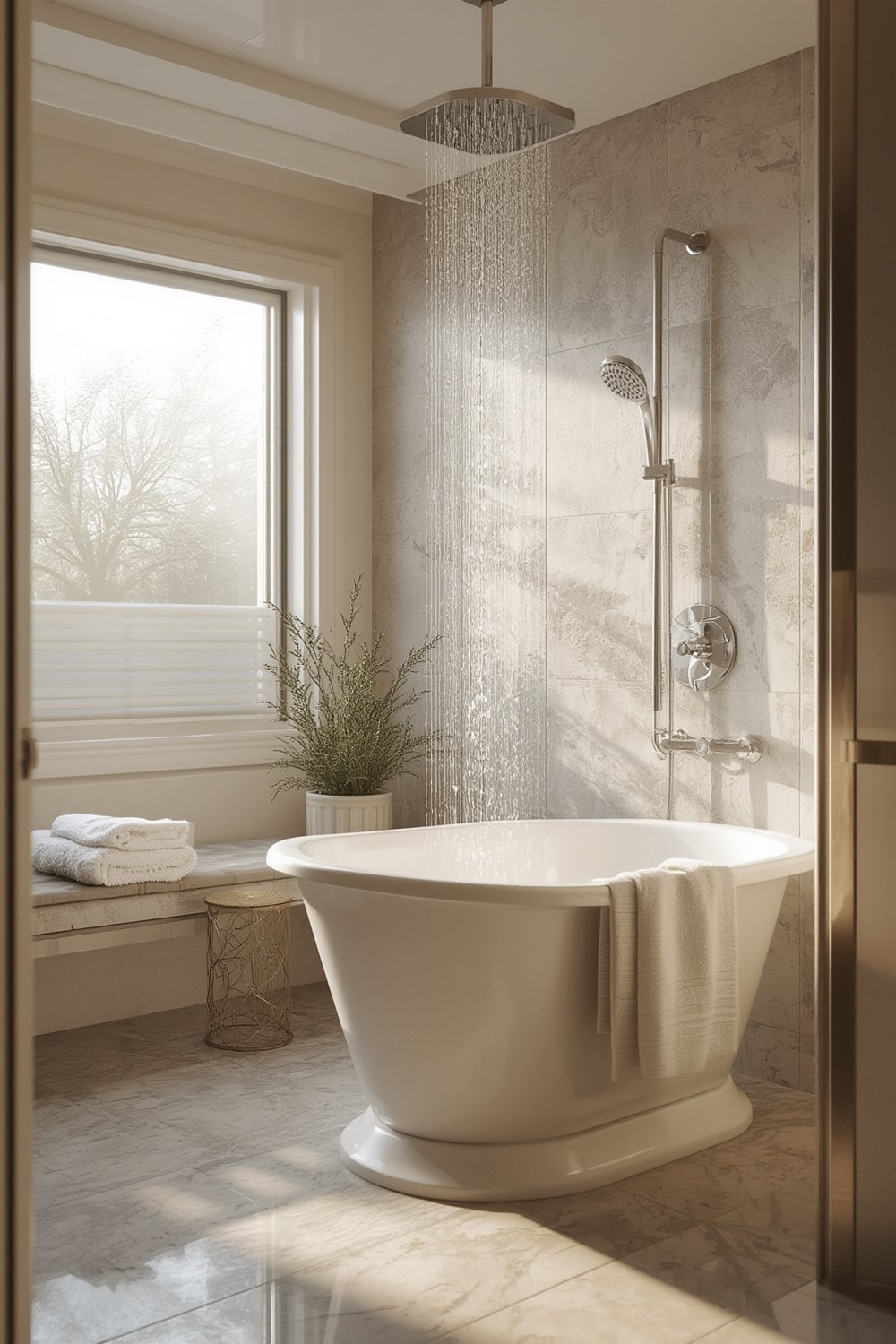
This solution is especially popular for those planning to age in place or for loved ones with limited mobility. The biggest practical benefit is safety: bathers avoid slippery high thresholds. Most models include built-in seats, grab bars, anti-slip floors, and easy-to-reach controls. For small bathrooms, a walk-in tub with shower offers bathing versatility in the footprint of a standard tub, letting people choose between a full bath or a quick shower without switching fixtures.
If you’re considering remodeling to improve accessibility or boost home value for an older parent, understanding the exact options, costs, and steps involved is crucial for a successful outcome. For a more in-depth look at best bathtubs for seniors and how walk-in tubs compare, see our detailed guide.
How to Choose and Install a Walk-in Tub with Shower: Step-by-Step Guide
- Assess Your Needs and Measure Your Space
Decide if you want a basic soaker, hydrotherapy options, or specialized features (grab bars, heated seats). Carefully measure your existing tub or shower alcove for length, width, and height. Some walk-in tubs are longer or taller than the standard 60 inches, which affects fit and installation complexity. If you’re unsure, explore our guide to measuring bathtubs before ordering. - Compare Features and Models
Look at reputable brands, but don’t assume the priciest is best. Consider entry door type, seat height, shower wand type, anti-slip flooring, and ease of entry. Request detailed specifications. Ask manufacturers about:- Door sealing mechanisms
- Drain speed and emergency drains
- Warranty (tub, door, parts, and labor)
- Options for left- or right-handed entry
- Get Quotes from Certified Installers in Your Region
Installation pricing varies by labor rates and structural changes. Ask for itemized quotes covering removal of the old tub, plumbing/electrical upgrades, permits, delivery, and disposal fees. If your home is in an older building or you’re in a region with strict permitting (like California), costs may climb. For up-to-date price comparisons, check this
2024 walk-in tub cost guide from NCOA. - Secure Required Permits
Remodels with plumbing or electrical changes (or any structural modifications) require permits. Typically these range from $250 to $500, plus possible inspection delays. Not having permits can stall projects or create problems at resale. For detailed requirements, consult your city or county website or a licensed contractor. Our guide on bathroom remodeling permits breaks down the basics. - Schedule and Prepare for Installation
Move valuables, remove obstacles, and discuss installation timing/inspections with your contractor. Some jobs take a day, but custom setups may stretch to a week or more if structural or plumbing changes are needed. - Test All Features Before Final Payment
Fill and drain the tub, check water temperature, inspect door seals, and try the shower. Document any issues or leaks immediately for warranty support.
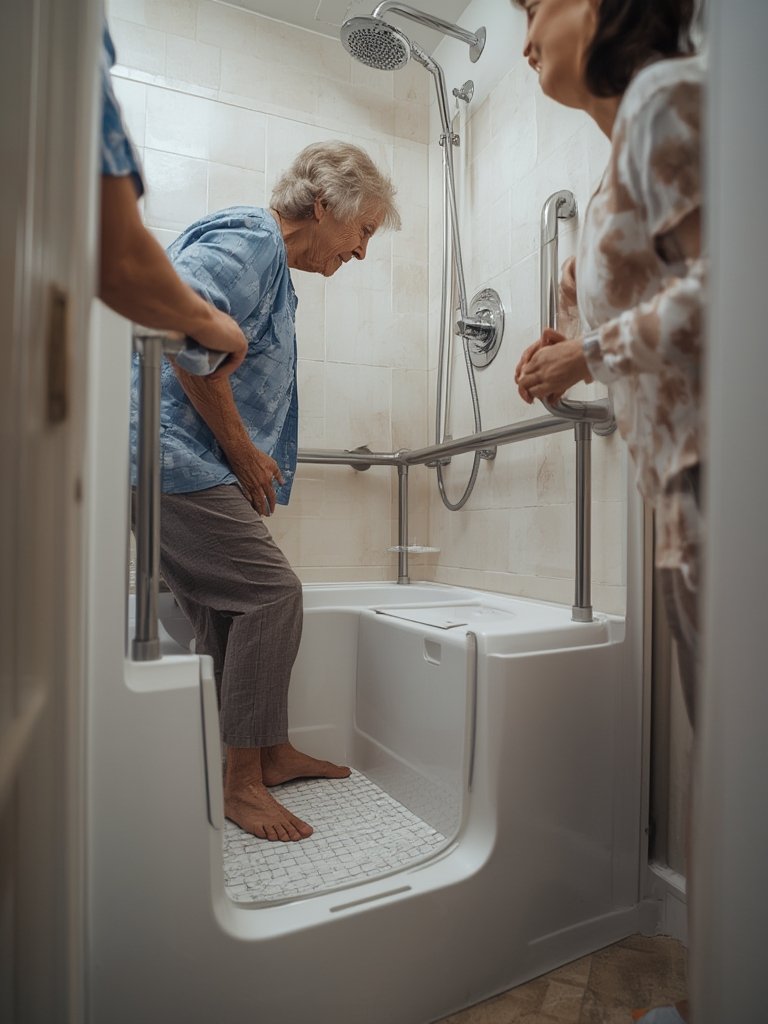
For hands-on advice on cleaning, see our resource: how to clean a fiberglass tub. This guidance applies to most walk-in tub materials.
Advanced Analysis & Common Pitfalls [Costs, Brands, Permits, and Safety Gaps]
A transparent look at walk-in tub with shower solutions requires looking at more than promotional claims. Here’s a breakdown of real issues and information gaps you should consider.
1. Cost Ranges and Regional Variations
The typical cost for a walk-in tub with shower—including installation—ranges from $5,500 to $16,000. Factors pushing prices upward include:
- Complex retrofits or moving plumbing/electrical lines
- Structure reinforcement for heavier tubs (especially hydrotherapy models)
- High labor rates in metropolitan or West Coast markets
However, current sources like Mad City Windows only offer national averages. There’s no published list showing real differences for, say, Chicago versus Atlanta. If you need a precise estimate, ask for regional references from your installer or see our breakdown of bathtub installation costs by region.
| Feature | Basic Walk-in Tub | Hydrotherapy Model | Walk-in Tub with Shower |
|---|---|---|---|
| Average Tub Cost Only | $2,500 – $4,500 | $4,000 – $10,000 | $4,000 – $10,000 |
| Installation (Simple) | $1,000 – $2,500 | $2,000 – $6,000 | $2,000 – $7,500 |
| Total Typical Cost | $3,500 – $7,000 | $6,000 – $16,000 | $5,500 – $16,000 |
| Permits (if needed) | $250 – $500+ | ||
| Permit Time Impact | Rarely documented (depends on city/county) | ||
2. Safety Features, Real Reviews, and Common Complaints
User reviews of walk-in tub with shower installations are surprisingly scarce in terms of objective satisfaction metrics. Few major review sites publish comparable data on customer complaints, product reliability, or long-term satisfaction. While most brands highlight safety (low entries, grab bars, seating), few mention installation delays, slow draining, door leaks, or heater problems. For a balanced view, check general feedback on Modernize—but expect gaps. Issues users have reported elsewhere include:
- Lengthy installation times and permit delays
- Uncomfortable seat positioning for taller users
- Water supply might be inadequate for large-capacity tubs
- Electrical upgrades required for jet/hydrotherapy systems (extra cost)
- Lack of clear ROI on fall prevention—no published study data yet
Explore our article on walk-in tubs without doors for alternatives if door sealing is a concern.
3. Permit, Installation, and Maintenance Surprises
City permit requirements and remodeling impact can sneak up on buyers. Installing a walk-in tub with shower almost always counts as a major renovation if electrical, plumbing, or structural changes occur. Expect a $250–$500 permit fee plus possible extra for plumbing or electrical. Timelines can stretch if your home is older or requires code upgrades. For a deep-dive on the permit process, see This Old House’s permit cost breakdown.
Maintenance tip: If your home’s water heater is borderline, a new tub may leave you with lukewarm baths or slow refills. Factoring a water heater upgrade into the initial budget can avoid disappointment later. Prevent warranty headaches by following maintenance advice in our bathtub warranty guide.
Conclusion & Take Action
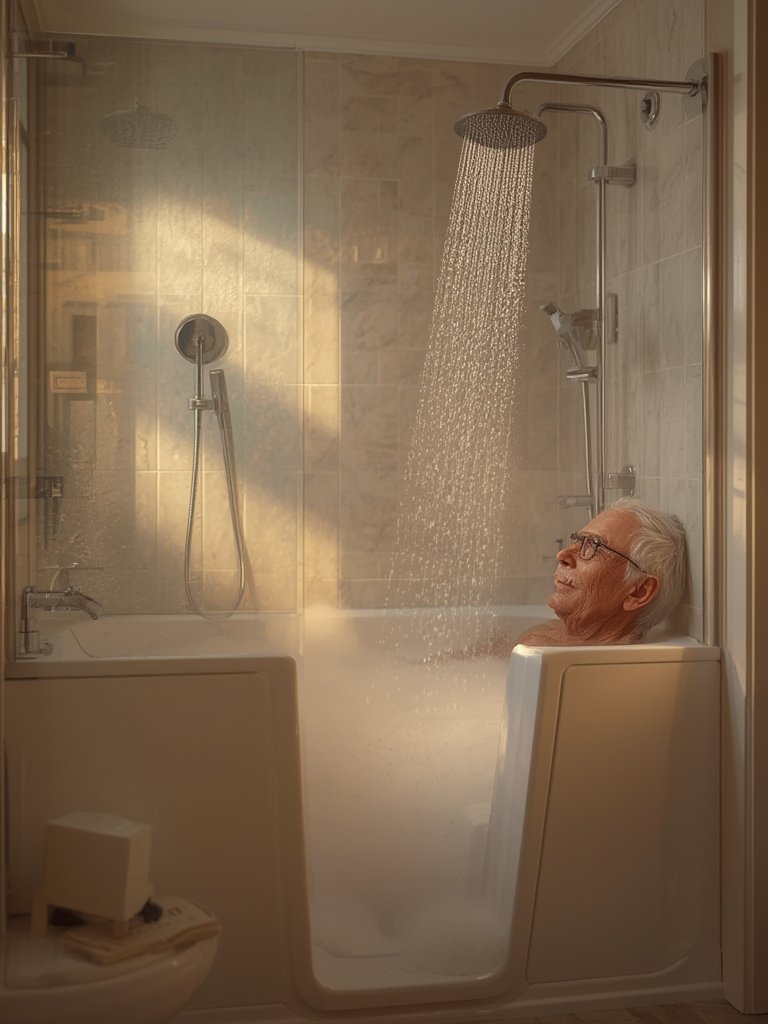
In short, a walk-in tub with shower offers practical accessibility and the versatility of both bathing and showering without a major loss in space. While widely promoted as a solution for aging in place and fall prevention, current research shows a lack of transparent user satisfaction metrics and statistically verified safety gains. Before you invest in a walk-in tub with shower, assess your true needs, compare multiple installers, factor in all hidden costs, and get every promise in writing. Looking for more on upgrades or accessible bathroom solutions? Visit our page on accessible shower remodeling for more insights.
Ready to take the next step? Compare personalized quotes, check local permit requirements, and test models in person before buying. With careful planning, a walk-in tub with shower can boost safety and comfort—just be sure to get all the facts before you buy.
Frequently Asked Questions
How much does a walk-in tub with shower cost?
Installed costs for a walk-in tub with shower typically range from $5,500 to $16,000. Price depends on tub type, labor complexity, your region, and permit fees. For specifics, the NCOA 2024 Walk-in Tub Cost Guide is a current resource.
Are walk-in tubs with showers safer than standard tubs?
Walk-in tubs with showers offer several accessibility and safety improvements including low thresholds and built-in seating. However, no public studies have published statistics comparing injury rates to normal tubs. Their design reduces fall risk in theory, but ROI data is lacking.
Do I need a permit to install a walk-in tub with shower?
Yes, if the installation requires plumbing, electrical, or structural changes, you almost always need a renovation permit. Fees start around $250 but can be higher depending on your city or state. Not all installers handle permits, so check upfront to avoid delays.
What’s the difference between a soaker, hydrotherapy, and shower-combo walk-in tub?
A soaker is a basic walk-in tub with no jets; hydrotherapy models add pumps and jets for therapeutic benefits, often requiring dedicated circuits. Shower combos include a tub and a separate shower system (either overhead or hand-held) for flexible bathing in one fixture.
How do I pick the right model for my home?
List your must-have features (e.g., soaking, jets, easy entry), then measure your available space. Compare brands on warranty, door sealing, drain speed, and fit. Seek multiple installer bids and try models in person if possible.

[…] Homeowners increasingly seek solutions that maximize space and adapt over time—think modular shelving, automated lighting, and durable finishes. The goal: everything organized, accessible, and tailored to your lifestyle. Done right, a walk-in closet also boosts resale value and daily enjoyment. Whether you’re remodeling for personal use, aging in place, or home resale, a strategic plan is key. For bathroom upgrades with accessibility in mind, see our guide on walk-in tubs with shower combos. […]
[…] Select Core Spa-like Features Decide on core elements: rainfall shower heads, heated floors, luxury freestanding tub, smart lighting, and solid surface walls. Research each feature’s cost and technical requirements. For accessibility, review solutions in this walk-in tub and shower combo guide. […]