

Key Takeaways
- Home office renovation is driven by the need for multifunctional, ergonomic, and tech-integrated spaces, with an emphasis on sustainable materials and adaptable layouts.
- Budgets, planning timelines, and cost overruns are common challenges—itemized cost data for home offices is lacking, so careful planning is a must.
- Top-ranking advice often misses practical details like ergonomic standards, noise control solutions, and realistic local building considerations.
- What Is Home Office Renovation and Why Does It Matter?
- How to Renovate Your Home Office: Step-by-Step Guide
- Advanced Analysis & Common Pitfalls
- Conclusion
- Frequently Asked Questions
What Is Home Office Renovation and Why Does It Matter?
A home office renovation transforms an underused room or area into a dedicated, productive workspace. In 2024, demand is fueled by remote work, hybrid schedules, and the need for healthier, more focused home environments. Homeowners are prioritizing multifunctionality—think convertible desks that double as dining tables, built-in storage, and sustainable materials like bamboo and recycled woods.
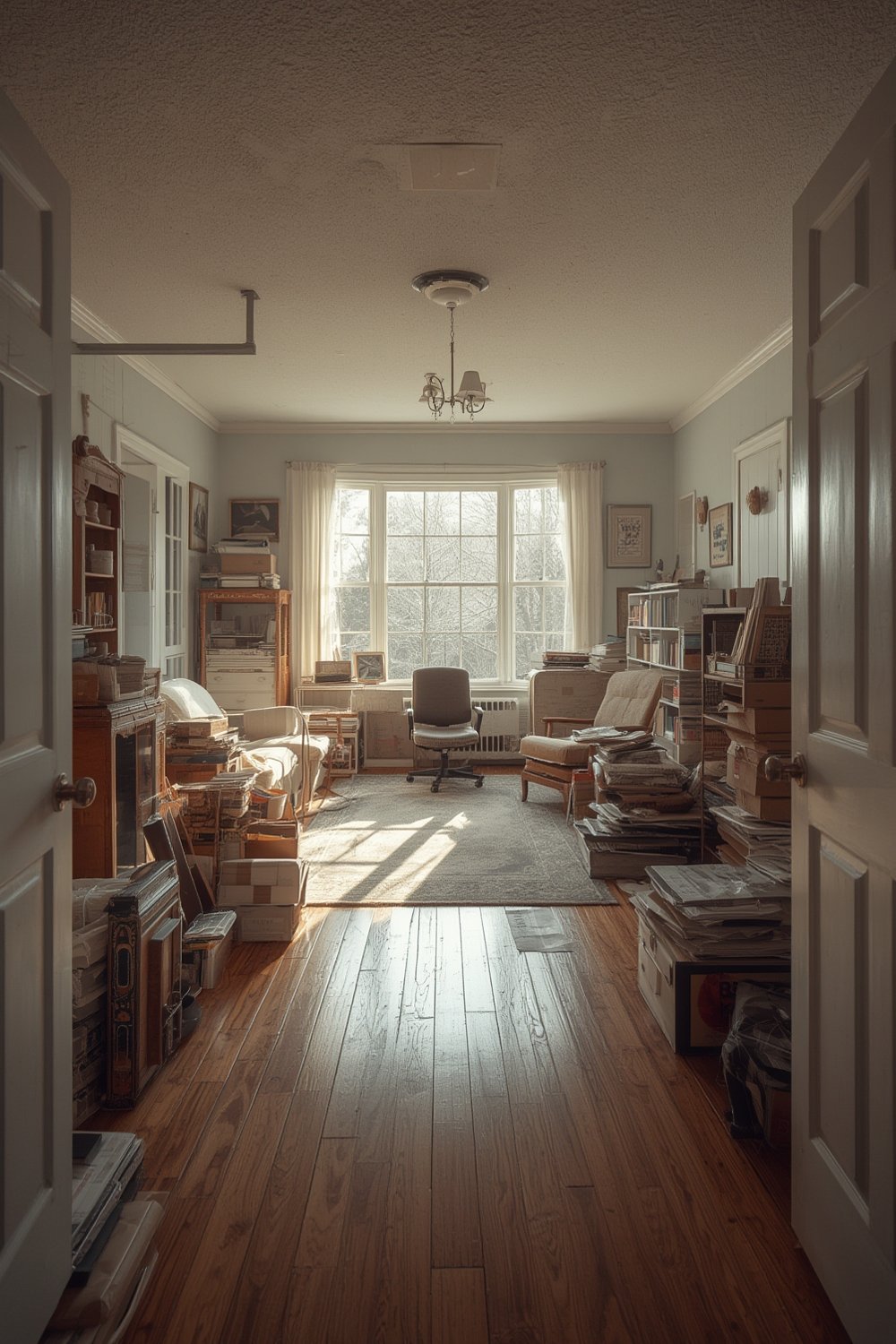
The average home renovation spend now hovers around $24,000, with home offices often a slice of larger projects. This investment pays off in flexibility, comfort, and potentially higher resale value, though actual ROI is untracked in national studies.
Upgrades like integrated power solutions, natural or smart lighting, and noise isolation improve both health and productivity. For inspiration on enhancing light and mood, see principles of biophilic design.
Why does this matter? Effective home office renovation delivers a workspace that supports your unique workflow, encourages good posture, and adapts to changing needs. Done right, it turns a spare room into a value-adding hub for the whole family.
How to Renovate Your Home Office: Step-by-Step Guide
- Define your goals and budget. Be realistic: The median US renovation budget for 2024 is $15,000, with top-tier plans at $80,000 (source). Know what you need—private calls, space for dual monitors, or wall-to-wall shelving? Prioritize accordingly.
- Assess your current space and plan for flexibility. Evaluate natural light, power outlets, and existing ventilation. Can you repurpose a guest room, closet, or part of the basement? Adaptable layouts with convertible furniture are trending (source). For better organization, review these custom storage ideas.
- Design for comfort and ergonomics. While there are no universal home office ergonomic codes, set your work surface at elbow height, invest in a quality chair, and use external monitors at eye level. For wellness, incorporate daylight and greenery; see ways to bring nature indoors.
- Integrate smart technology and lighting. Plan for enough outlets, strong Wi-Fi, and smart lighting. Consider adjustable LED fixtures or app-controlled solutions like those in this smart lighting guide.
- Choose sustainable, durable furnishings. Select low-emission finishes and furniture made from recycled or renewable materials. Sustainable choices are more affordable than ever and key to long-term comfort (source).
- Plan for sound control and privacy. Solid-core doors, acoustic panels, or sealed windows can reduce distractions, especially if your “office” is off a noisy family room. For even greater quiet, upgrade to energy-efficient windows with high sound ratings.
- Address permits and local codes. Major electrical, window, or wall changes may require local permits. Since no standardized codes exist just for home offices, always consult your local building authority before starting demolition.
- Implement, furnish, and personalize. Once plans are finalized, hire vetted trades, order your furniture, and decorate. Add personal touches—artwork, greenery, sound-absorbing rugs—to enhance focus and well-being.
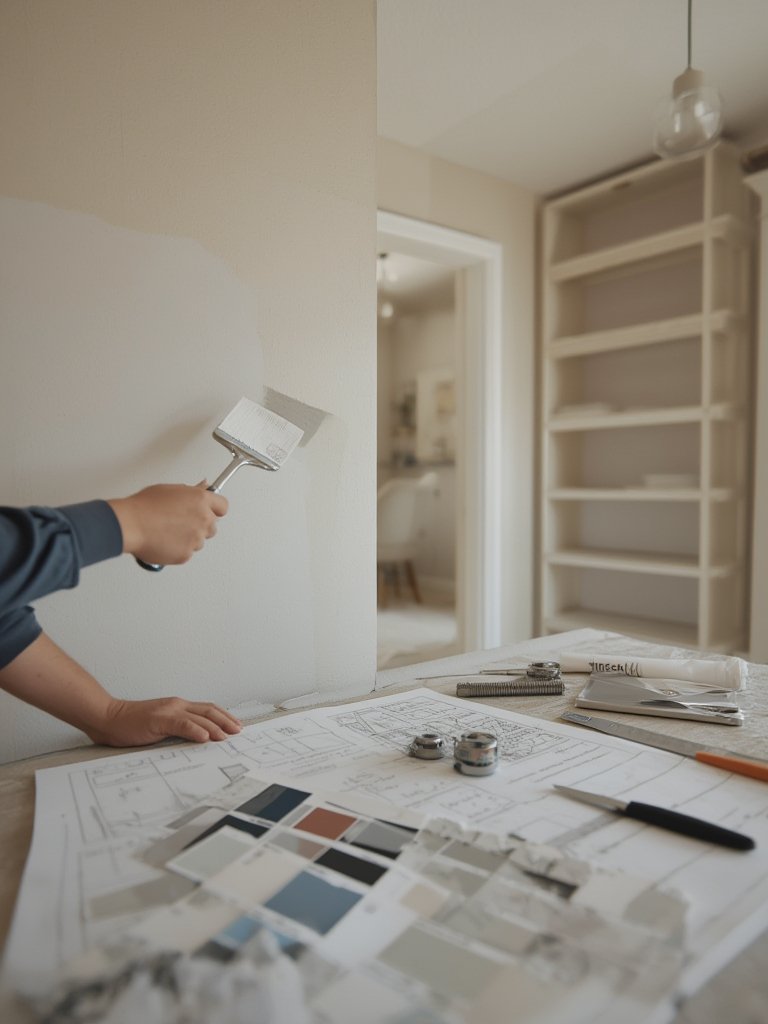
Don’t forget lighting and air quality. Investing in air-purifying plants, easy-clean flooring, and an openable window improves both comfort and productivity.
If you’re considering tech upgrades, combining your home office project with a smart thermostat installation can help save on energy bills.
Looking to keep costs down? Many homeowners choose DIY-friendly upgrades like painting, adding plug-in wall sconces, or building custom shelves. Explore simple DIY projects to maximize value.
Advanced Analysis & Common Pitfalls
Even the best-laid plans encounter bumps. Here’s what to realistically expect in the 2024 landscape:
- Long Planning Timelines: Homeowners now spend up to 9 months planning versus 4-5 months on actual construction (source). No quick wins here—thorough prep is essential.
- Budget Surprises: Cabinetry, built-ins, soundproofing, and tech integration almost always cost more than expected. Itemized cost benchmarks for home offices are hard to find, so use kitchen or closet median estimates as rough guides (source).
- Lack of Ergonomic Guidance: Unlike commercial projects, there are no enforced ergonomic or health standards for residential offices. You’ll need to self-educate or hire a specialist to get desk heights and seating right.
- Permit and Code Confusion: With no published guidelines for home office conversions, code issues are often discovered late. Local plumbing or electrical codes might trigger permit requirements even for minor work.
- Contractor Coordination: Trends show fewer homeowners using general contractors, instead piecing projects together with specialty trades. This can lead to gaps in project management and communication (source).
| Cost Category | Low/Median | High (Top Percentile) |
|---|---|---|
| Overall Home Renovation (2023 baseline) | $15,000 – $24,000 | $150,000 (90th percentile) |
| Planned 2024 Home Renovation Budget | $15,000 | $80,000 (top 10%) |
| Home Office-Specific Cost Data | Not available; use closet/kitchen as proxy | Not available |
For those aging in place or needing accessibility, a home office can integrate features like wider doorways, non-slip floors, or accessible desk heights; see our aging in place modifications advice.
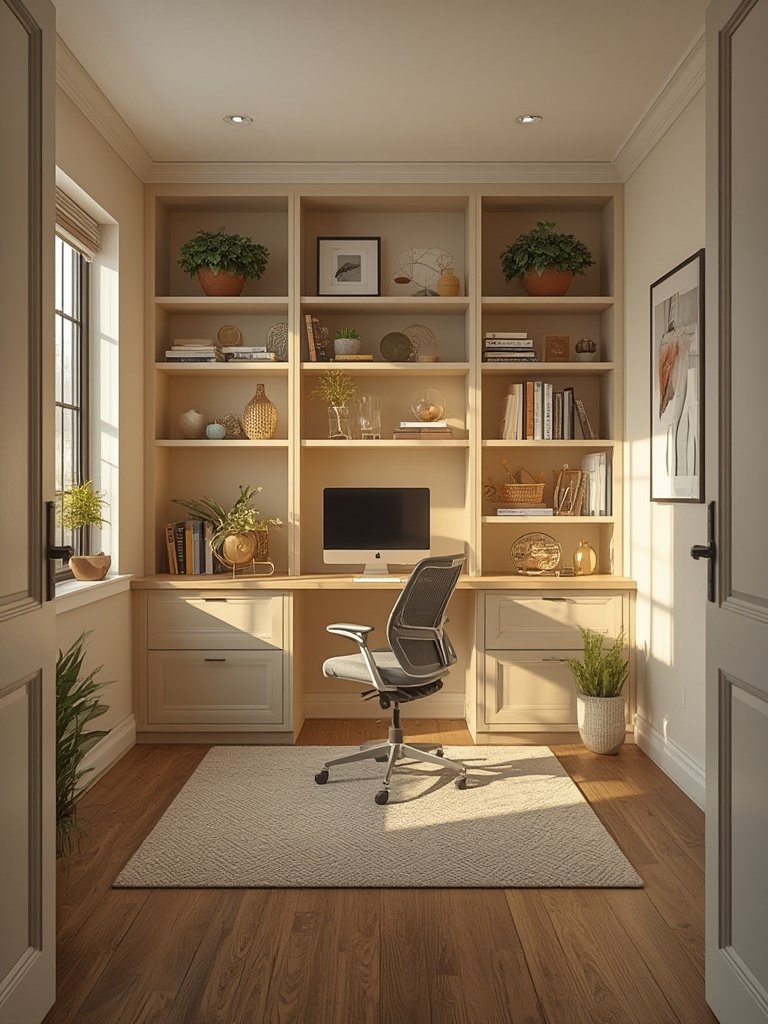
Common pitfalls not covered in most advice columns include noise management, actual productivity ROI, and dealing with windowless rooms. Always plan for contingencies—permits, technical setbacks, and supplier delays are more common than you think.
Conclusion
A successful home office renovation goes beyond paint and furniture. It’s an opportunity to build a flexible, comfortable workspace that adapts to your daily demands, integrates the latest tech, and protects long-term value.
By focusing on real requirements, sound planning, and ergonomic upgrades, your home office renovation can transform productivity and well-being. Start small, work within your means, and don’t hesitate to bring in specialized pros if needed.
Ready to upgrade your home workspace? Get inspired by our guides on natural office design, smart lighting systems, and more—or reach out to a professional contractor today!
Frequently Asked Questions
How much does a home office renovation cost in 2024?
Most homeowners budget between $15,000 and $24,000 for full renovations, but exact costs for a dedicated home office vary based on size, furnishings, and finishes. High-end projects can reach $80,000 or more. For itemized budgets, use kitchen or closet remodel medians as a starting point.
Do I need a permit to convert a room into a home office?
Rules vary by location and project scope. Basic cosmetic changes usually don’t require permits, but structural, electrical, or window modifications often do. Contact your local building authority before starting work to avoid headaches.
What features should every modern home office include?
At minimum, aim for a comfortable desk and chair setup, strong lighting with daylight where possible, excellent Wi-Fi, and enough outlets. Bonus points for noise control, storage solutions, and sustainable, ergonomic furnishings.
Are there tax benefits for home office renovations?
If you run a full-time business from home, you may be eligible for a home office deduction. However, eligibility rules are strict and recent tax reforms have limited this benefit, so check with a tax professional.
Can I combine a home office with other functions?
Yes—many spaces now double as guest rooms, craft areas, or exercise zones. Use convertible furniture and hidden storage to maximize functionality without sacrificing professionalism.

[…] in a broader home improvement toolbox? Check out these guides on DIY home improvement projects and home office renovation for smart planning […]