
Kitchen storage solutions have become a top priority for homeowners seeking both style and function from their kitchens. With rising demand and new products flooding the market, knowing what really works—and what doesn’t—is essential for making your kitchen more organized, efficient, and enjoyable.
Key Takeaways
- Kitchen storage solutions are a booming market segment with a projected global value exceeding $180 billion by 2030, reflecting the demand for space efficiency and decluttering.
- User pain points, such as poorly fitting organizers and lack of real capacity gains, are rarely addressed by most guides and product manufacturers.
- No universal product fits every kitchen—practical planning, realistic expectations, and knowing true improvement metrics are key to maximizing your local storage
- What Are Kitchen Storage Solutions & Why Do They Matter?
- Step-by-Step Guide: How to Create Better Kitchen Storage
- Advanced Analysis & Common Pitfalls
- Conclusion
- FAQ
What Are Kitchen Storage Solutions & Why Do They Matter?
At its core, kitchen storage solutions are specialized systems, products, or ideas created to maximize usable space, reduce clutter, and improve your workflow in the kitchen. This includes everything from drawer organizers and pull-out shelves to custom cabinetry and clever pantry systems.
Why does it matter? Kitchens are getting more compact in urban homes, and even larger spaces benefit from better storage. Organized kitchens save time, reduce stress, and often boost home value. With the global kitchen storage and pantry organization products market valued at $137.36 billion in 2024 (expected to hit $182.08 billion by 2030), it’s clear that more homeowners are prioritizing both function and aesthetics.
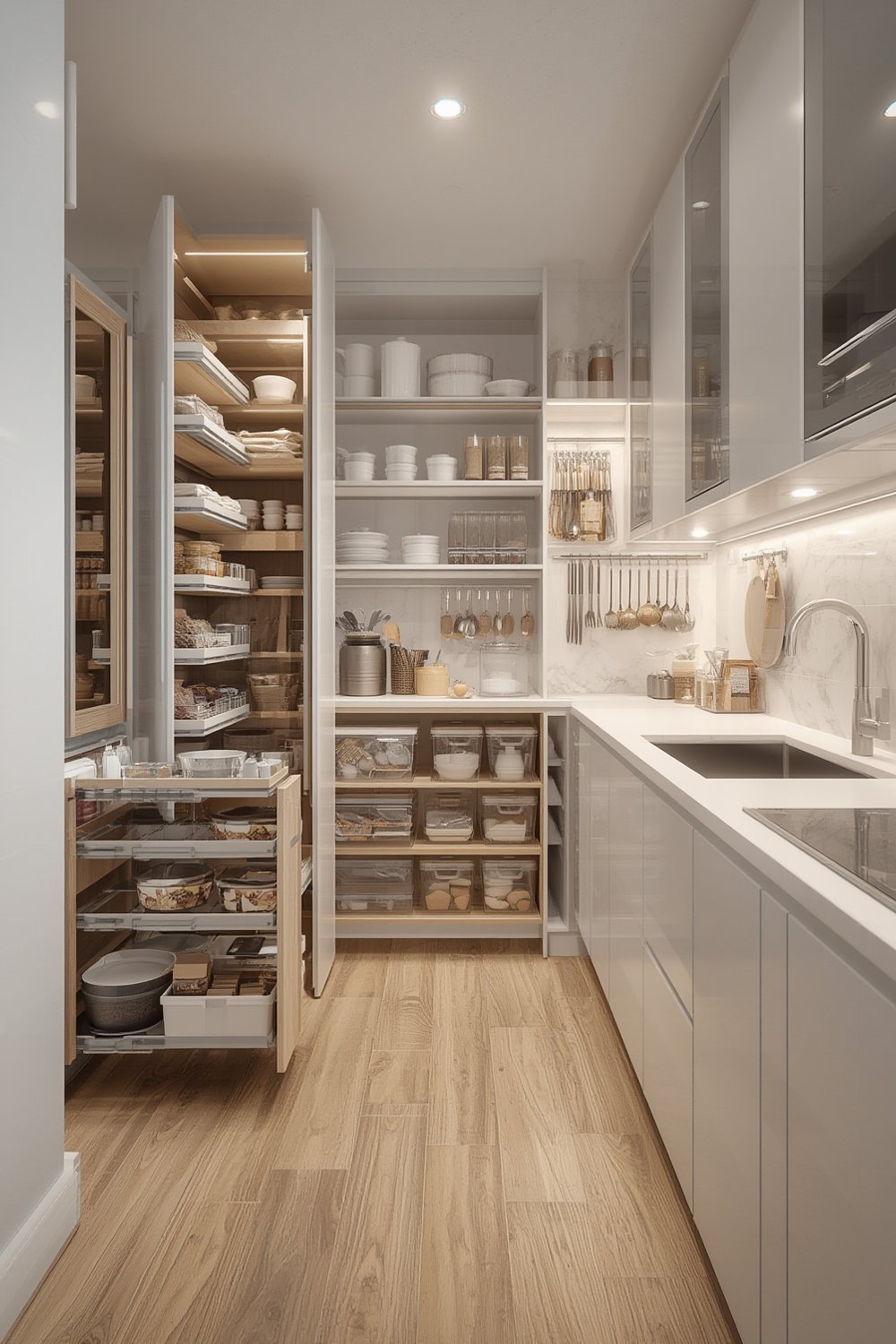
Newer trends include eco-friendly glass storage, modular shelving, and organizational add-ons for everything from cookware to dry goods. For anyone considering a kitchen remodel—or just a storage refresh—knowing the basics can help avoid costly mistakes.
Step-by-Step Guide: How to Create Better Kitchen Storage
Thoughtful kitchen storage starts far before you shop for gadgets. Here’s how to create a clutter-free, accessible, and truly efficient kitchen—step by step.
-
Audit Your Current Storage
Remove everything from your cabinets, pantry, and drawers. Donate or toss anything you haven’t used in a year. This ruthless edit reveals real needs and prevents buying unnecessary organizers. -
Identify Your Bottlenecks
Is countertop clutter your main issue? Do corners go unused? Are pots piled high? Write down specific annoyances—this will inform which storage solutions will solve real problems. -
Pick the Right Storage Solution for Each Zone
- Drawers: Use modular inserts for utensils, and deep bins for tupperware lids.
- Pots & Pans: Try heavy-duty rollout shelves or a deep drawer with vertical dividers.
- Pantry: Invest in stackable see-through containers and pull-out baskets for produce.
- Vertical Storage: Use wall rails, hangers, and magnetic strips.
Cabinet organizers, particularly, are in high demand and expected to grow at a 6% CAGR through 2030 (Grandview Research).
-
Choose Materials Wisely
Glass storage solutions are gaining popularity due to health and environmental concerns—they’re durable, see-through, and clutter-reducing. Consider integrating these for dry goods or leftovers, which align with the sustainability shift in many modern homes. -
Maximize Hard-to-Reach Spaces
Corners, deep cabinets, and under-sink areas are often underutilized. Use corner pull-outs, lazy Susans, or slim rolling carts. For seniors, consider solutions recommended in Aging In Place Home Modifications to ensure accessibility. -
Install & Test—Don’t Forget Adjustments
No organizer is perfect out of the box. Install, load, and adjust fit and placement. If it doesn’t make daily life easier, return or repurpose it. Avoid getting locked into rigid systems that don’t grow with your needs. -
Label & Maintain
Especially for pantries and bulk bins, clear labels help households stay organized over the long run. Schedule a 6-month check-in to declutter and reset.
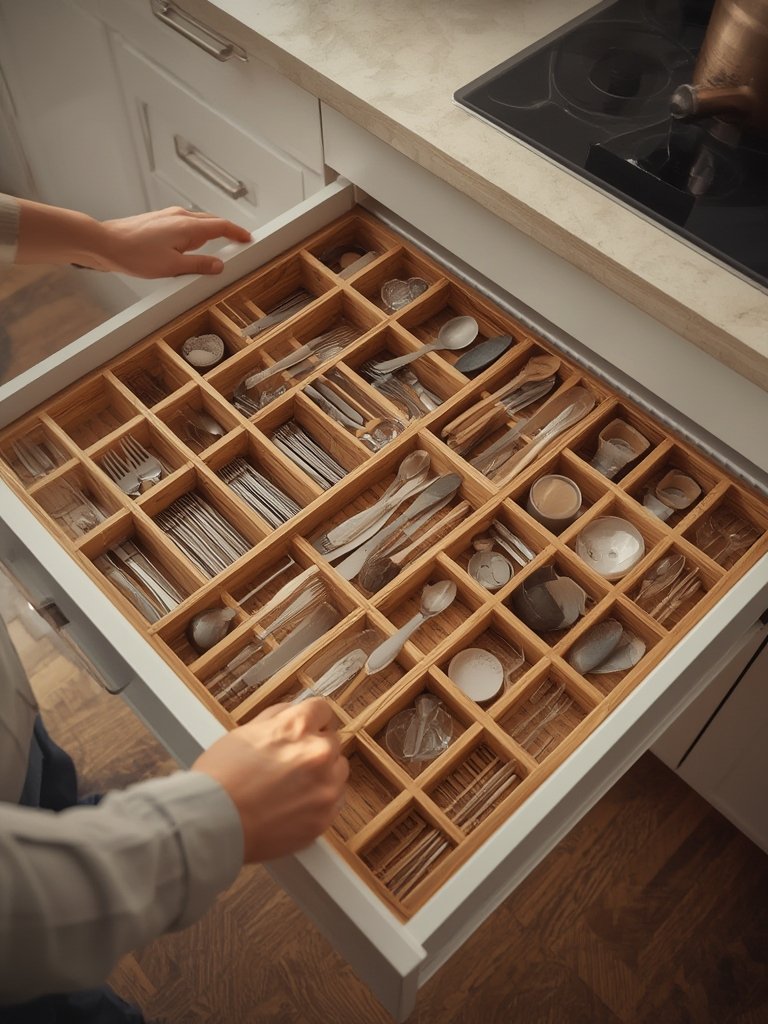
Many homeowners successfully pair DIY upgrades—like installing drawer dividers or pull-out trays—with professional cabinetry, blending affordability and function. For easy, weekend-level upgrades, consult our DIY home tips. Remember, the most effective improvement is the one tailored to your kitchen and cooking habits.
Advanced Analysis & Common Pitfalls
While online guides and showrooms showcase spotless, organized kitchens, the reality isn’t always so picture-perfect. Market research has revealed some crucial gaps and common problems that most blog posts and retailers skip.
| Solution Type | Real-World Problems | Actionable Insights |
|---|---|---|
| Pull-Out Shelves | Poor fit in standard cabinets; can rattle or jam; limited weight capacity over time | Always check internal measurements; invest in soft-close units for durability |
| Pantry Systems | Stacking containers leaves unused vertical space; oversized bins block rear access | Combine stacking bins with sliding shelves; use clear containers for visibility |
| Drawer Organizers | Inserts don’t fit non-standard drawers; reduce usable width and height | Use modular or customizable inserts; keep frequently used tools within arm’s reach |
| Custom Cabinets | No published average cost; unexpected install disruption; custom doesn’t mean perfect function | Request detailed plans and cost breakdowns before committing; demand references |
Key pain points, like organizer fit and durability, are underreported by manufacturers. Almost no one provides quantified “before and after” capacity improvements in cubic feet, making ROI difficult to evaluate. When budgeting, ask installers for a cost breakdown, including adjustments if your cabinets aren’t perfectly square or you need modifications for accessibility—for example, those outlined in walk-in tub installations or other tight-access home upgrades.
If you’re interested in the broader market, market reports show that online sales of kitchen storage are growing even faster (11% CAGR through 2030) than overall product demand. This means more choices but also more potential for misleading product claims and buyer regret.
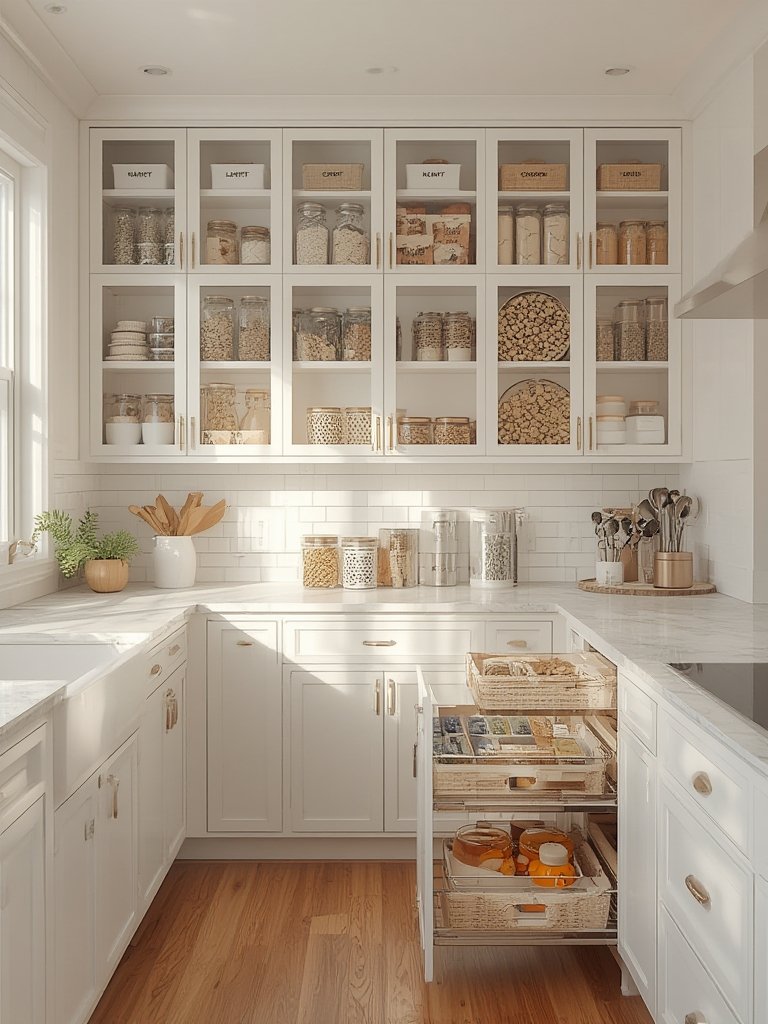
In short, beware “quick fixes.” Lasting improvement requires aligning products with your specific kitchen quirks and being skeptical about storage booster claims without real data.
Conclusion
Kitchen storage solutions can transform your daily experience, reduce stress, and add value to your home—if chosen and installed thoughtfully. With the right planning, an honest look at real-life needs, and use of trustworthy sources, your kitchen can be both beautiful and functional for years to come. Ready to implement kitchen storage solutions that actually work? Audit your space, weigh your options, and take the first step today.
FAQ
What’s the best way to start organizing my kitchen?
Begin with a full audit: empty cabinets and drawers, declutter, and sort everything by use zone. Only then shop for solutions that address your specific pain points.
Are there affordable ways to improve kitchen storage without a full remodel?
Yes. Add pull-out trays, modular drawer inserts, wall-mounted racks, and stacking bins as weekend projects. DIY upgrades and repurposed office storage products can make a big impact for a small expense. See our DIY improvement guide for ideas.
Why do so many organizers fail to deliver real storage improvement?
Many organizers create dead space by not fitting properly or by reducing usable volume. Always measure and consider modular, adjustable systems, and focus on minimizing unused space, especially in corners and deep cabinets.
What about storage solutions for accessibility or aging in place?
Choose pull-down shelving, easy-slide drawers, and open floor plans to ensure safe, convenient access. For more tips, consult our accessibility guide and choose products designed for universal use.
How do I compare different products if there are no published “before and after” results?
Ask to see in-person demonstrations or user reviews with real photos. If possible, test units in showrooms or order from retailers with solid return policies. Prioritize transparent communication of measurements and capacity.