Soft-surface floor coverings are rapidly changing the flooring market, with luxury vinyl plank (LVP) leading the trend for modern homes and businesses. If you want the look of wood or stone without high upkeep or cost, this flooring option could be a smart upgrade—if you know what to expect.
Key Takeaways
- Luxury vinyl plank (LVP) dominates the global soft-surface floor coverings segment, thanks to affordability, realistic appearance, and durability.
- Proper installation and maintenance are essential for maximizing longevity, with lower upfront costs compared to hardwood or tile.
- Potential drawbacks include subfloor prep, standing water concerns, impact comfort, and limitations in mimicking real wood under close inspection.
- Understanding Soft-surface Floor Coverings and LVP
- Step-by-Step Guide: Choosing and Maintaining Soft-surface Floor Coverings
- Advanced Analysis & Common Pitfalls with LVP and Soft-surface Floor Coverings
- Conclusion
- Frequently Asked Questions
Understanding Soft-surface Floor Coverings and LVP
Soft-surface floor coverings include materials like carpet and luxury vinyl plank (LVP). In 2024, LVP has risen to the top of this category owing to its cost-effectiveness, water resistance, and exceptionally realistic designs. The global vinyl flooring market now stands at over $25 billion, with LVP/LVT holding a 65% share.
The North American LVT sector alone reached $7.45 billion in 2024 and continues to outpace other flooring types due to fast installation, lower maintenance, and strong performance in both residential and commercial use. Consumers are picking soft-surface options like LVP over hardwood and ceramic tile, not just for the practical features but also because well-made LVP now rivals the look and feel of real wood or stone, supporting trending biophilic design elements.
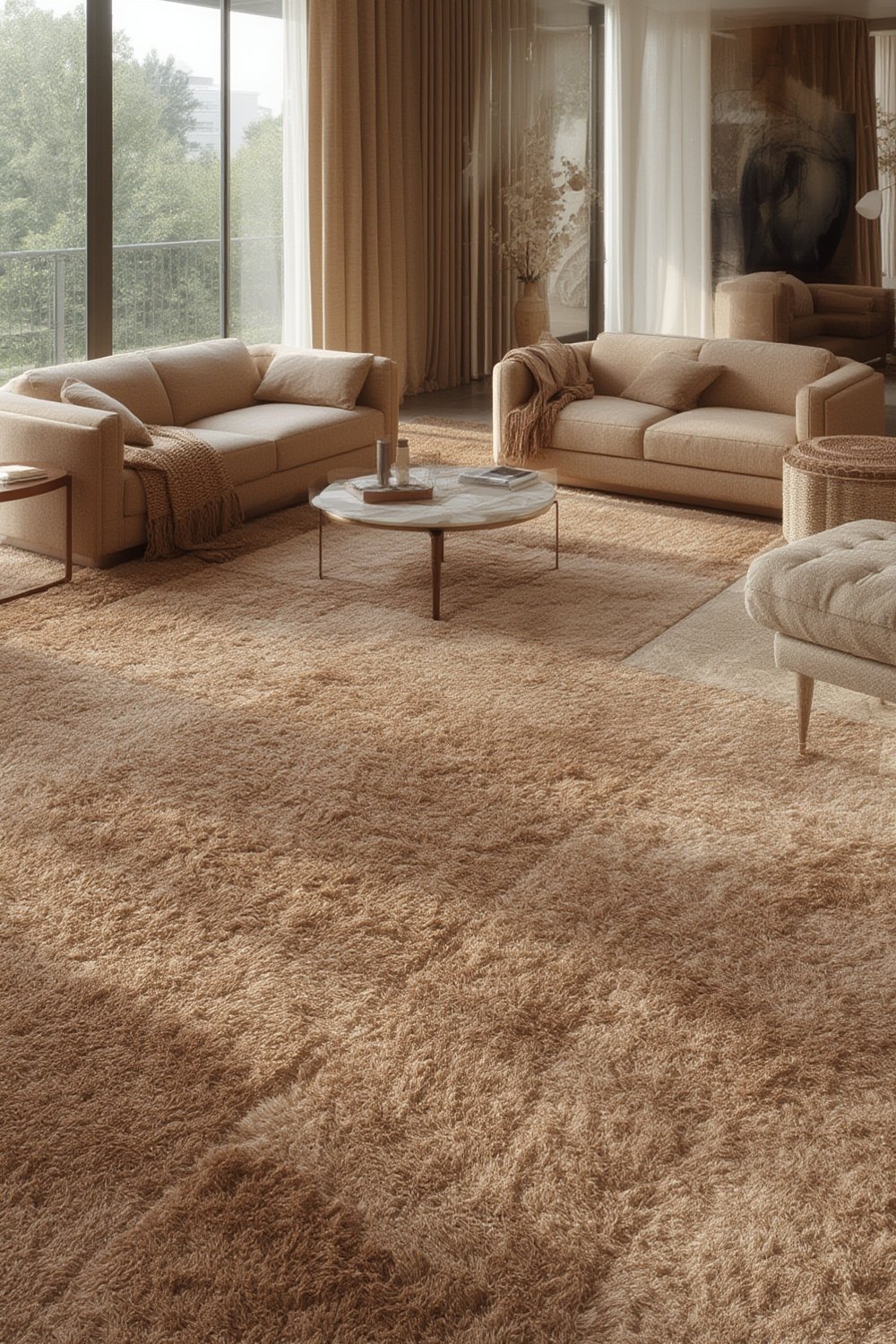
LVP is especially attractive for aging in place home modifications and accessible bathrooms, thanks to its waterproof characteristics and slip resistance. These features also make LVP a go-to for families, pet owners, and anyone seeking a low-hassle flooring solution that maintains a premium appearance over time.
Step-by-Step Guide: Choosing and Maintaining Soft-surface Floor Coverings
1. Assess Your Space and Budget
Start by measuring your rooms and determining the amount of flooring you’ll need. LVP costs $2-$8 per square foot for materials—far less than hardwood. Factor in installation, which is often easier and less expensive for LVP. Compare these numbers to other soft-surface floor coverings and include extras like transition strips or premium underlayment.
2. Choose the Right LVP Product and Design
Pick LVP products with a thick wear layer (ideally 20 mil or more for durability), and look for rigid core or Stone Plastic Composite (SPC) construction for stability. Brands like Armstrong (Asana™, Nidra™, Zenscape™ with Diamond 10® Technology) and Interface’s Drawn Lines LVT have strong reputations for design realism and scratch resistance. Always check the warranty; leading brands offer 15–25 year residential coverage.
3. Prepare the Subfloor Thoroughly
LVP is forgiving but not invincible. Make sure your subfloor is level, clean, and dry. Uneven subfloors lead to wear spots and increased movement over time, undermining both appearance and performance.
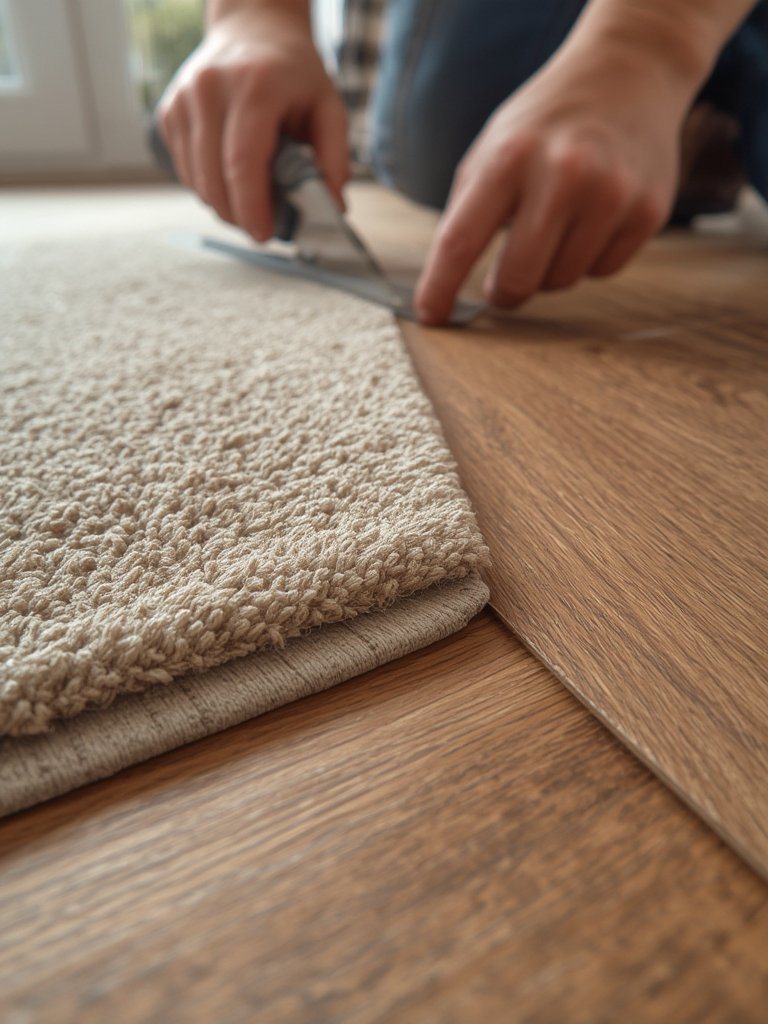
4. Install Carefully for Maximum Life
Follow manufacturer instructions exactly. If possible, acclimate the LVP in your home before installation. Use a tapping block to prevent edge damage. Pay attention to room temperature and humidity, especially if installing in areas like kitchens or bathrooms—LVP is waterproof but not immune to extreme changes.
5. Maintain Regularly but Simply
Sweep or vacuum regularly to remove grit. Mop with a damp (not wet) microfiber pad using pH-neutral cleaners. Avoid harsh chemicals, steam mops, or soaking water. LVP’s wear layer (such as Diamond 10®) resists stains and scratches, so deep cleaning is rarely needed. This makes LVP far easier to keep looking new compared to carpet or traditional soft-surface floors, which require specialized stain removal and frequent vacuuming.
Advanced Analysis & Common Pitfalls with LVP and Soft-surface Floor Coverings
While LVP outperforms many alternatives in several areas, it isn’t flawless. Here’s what most guides don’t mention:
| Feature | LVP (Luxury Vinyl Plank) | Carpet (Traditional Soft-surface) | Notes |
|---|---|---|---|
| Comfort | Moderate, can feel hard if installed over concrete | Very comfortable, cushioned feel | LVP with underlayment improves comfort |
| Waterproof | Yes, but edges/seams can allow water underneath | No, absorbs moisture/stains | Protect seams and wipe spills promptly |
| Durability | High, especially with Diamond 10® wear layer | Prone to matting and tears | LVP best for homes with pets/kids |
| Appearance | Realistic wood/stone visuals; close inspection may reveal repetition or synthetic feel | Wide range of colors/textures; can fade or stain over time | LVP strong for biophilic and spa-like bathrooms |
| Maintenance | Sweep/mop; quick cleanup | Vacuum often; requires professional cleaning for deep stains | LVP wins for low effort upkeep |
| Longevity | 10-25 years (brand/warranty dependent) | 5-10 years (high traffic areas show wear sooner) | Warranty varies; check coverage details |
A few common mistakes to avoid:
- Subfloor issues: Skimping on leveling or cleaning subfloors can cause LVP planks to shift, squeak, or unlock.
- Ignoring humidity: LVP handles moisture, but extreme flooded conditions can push water below the planks, leading to mold risks.
- Choosing the wrong wear layer: Lighter-use products (<12 mil wear layers) may scratch or dull quickly in high-traffic areas.
- Expecting “perfect” wood texture: Even high-end LVP may have pattern repetition or a less warm touch than genuine hardwood.
Many buyers choose LVP for spa-like bathroom designs or to retrofit main floor bathrooms for accessibility and resale value—be mindful that high moisture (or persistent leaks) can still damage subfloors even with waterproof flooring.
Conclusion
Luxury vinyl plank has permanently changed the soft-surface floor coverings market by bringing together realistic style, budget-friendly pricing, and simple maintenance. If you prepare your subfloor, select quality products, and maintain as directed, LVP offers impressive return for modern homes—especially compared to carpet or tile. Choosing the right soft-surface floor coverings can make your home more beautiful, easier to clean, and more accessible. Ready to transform your home? Compare top LVP brands today and see how a small upgrade can have a big impact—your floors (and your feet) will thank you.
For more tips on related upgrades, explore smart lighting, home office renovations, and DIY home improvement projects.
Frequently Asked Questions
How long does luxury vinyl plank flooring last compared to carpet?
Most quality LVP products last 10-25 years, depending on wear layer, brand, and maintenance. Carpets usually need replacing after 5-10 years in high-traffic areas.
Is luxury vinyl plank completely waterproof?
LVP planks and tiles are waterproof, but water can seep through seams if left standing too long, possibly affecting the subfloor. Wipe up spills promptly for best results.
Does LVP flooring feel cold or hard underfoot?
LVP can feel colder or harder than carpet, especially when installed over concrete. Use an insulating underlayment to improve comfort and warmth.
How do I clean and maintain LVP floors?
Sweep or vacuum regularly, mop with a damp microfiber pad and pH-neutral cleaner, and avoid using harsh chemicals or steam. Maintenance is much simpler compared to carpet.
What are the best rooms to install LVP flooring?
LVP is ideal for kitchens, bathrooms, basements, entryways, and even living rooms—any space where you want waterproof protection and easy cleanup.