Panic room installation is becoming increasingly common in American homes, offering a last line of defense during break-ins, storms, and emergencies. If you’re thinking about adding a safe room or tornado shelter, understanding what’s involved can be the difference between real protection and a wasted investment.
Key Takeaways
- The US panic room and safe room market is growing fast, fueled by concerns over storms, crime, and home value.
- Most guides skip over critical details like construction standards and real-world installation challenges. Be prepared for hidden pitfalls.
- A successful panic room installation requires careful planning, quality materials, and proper integration with your home’s structure.
- The Core Concept: What Is Panic Room Installation?
- Step-by-Step Guide: How to Plan and Build a Panic Room
- Advanced Analysis & Common Pitfalls
- Conclusion
- FAQ
The Core Concept: What Is Panic Room Installation?
Panic room installation means deliberately creating a secure, reinforced area within your home designed to protect residents during threats like home invasions, tornadoes, or other emergencies. These rooms—sometimes called safe rooms—range from simple closets with reinforced doors to custom, fireproof, bullet-resistant enclosures with independent ventilation and communication systems.
Market demand for panic rooms is surging across the US. In 2024, the North American safe room market hit USD 2.7 billion, with a strong push from disaster preparedness, storm shelter demand, and increasing concerns about home security. Especially in tornado-prone states and luxury neighborhoods, a well-integrated panic room can boost safety and property value. However, not all installations are equal, and poor planning can quickly lead to regret.
Panic rooms come in different forms, including:
- Storm shelters (designed for tornado or hurricane protection)
- Hidden safe rooms (concealed behind walls, closets, or bookcases)
- Bullet-resistant or reinforced rooms (for active shooter situations)
Good installation not only keeps you safer, but also minimizes day-to-day disruption and blends with your home’s design. Some families blend these projects with aging in place home modifications or other major renovations for a more efficient remodel.
Step-by-Step Guide: How to Plan and Build a Panic Room
Every panic room installation is unique, but certain steps should never be skipped. Here’s a realistic process based on industry best practices and common sense:
- Define Your Threats
- What are you defending against? (Tornado? Break-in? Both?)
- Are you looking for privacy or a highly hidden space?
- Choose Location Carefully
- Basements are great against storms but might be hard to access during a burglary.
- Closets connected to bedrooms offer discretion, but structural reinforcement may be limited.
- Integrate with ongoing projects like a main floor bathroom addition to save costs.
- Determine Your Protection Level
- Consult FEMA guidelines if building for storm resistance. No single standard exists for bullet resistance in homes—engineered solutions or commercial options are best.
- Design for Function and Access
- Consider ventilation, communication (cell booster, wired phone), and emergency supplies.
- Plan for ADA access if needed; see walk-in tub with shower for inspiration if modifying for senior safety.
- Select and Vet Materials
- Use steel, concrete, or engineered panels for walls and doors. Avoid cheap kits lacking standards.
- No official US residential bullet or storm rating—default to FEMA/NIJ standards where possible.
- Don’t neglect floors and ceilings—these are weak spots in many DIY installations.
- Hire Qualified Pros, or DIY?
- Some projects require licensed contractors—wrong installation means no insurance coverage or even legal consequences after a disaster.
- If you DIY to save costs, use resources like these DIY home improvement projects tips, but expect trade-offs on quality and time.
- Obtain Permits
- Check local requirements—some areas require tornado shelter permits or inspections. No notable code updates reported in 2024, but standards keep evolving.
- Integrate Alarms and Safe Communication
- Connect with your smart security system for remote alerts and access.
- Include backup lighting, power banks, and a hidden phone or radio.
- Test Everything
- Do a full dry run. Try using the room in the middle of the night—can everyone reach it fast? Does the lock operate quickly?
- Document and Maintain
- Keep a maintenance schedule for hinges, locks, and ventilation systems. Share entry details only with trusted adults.
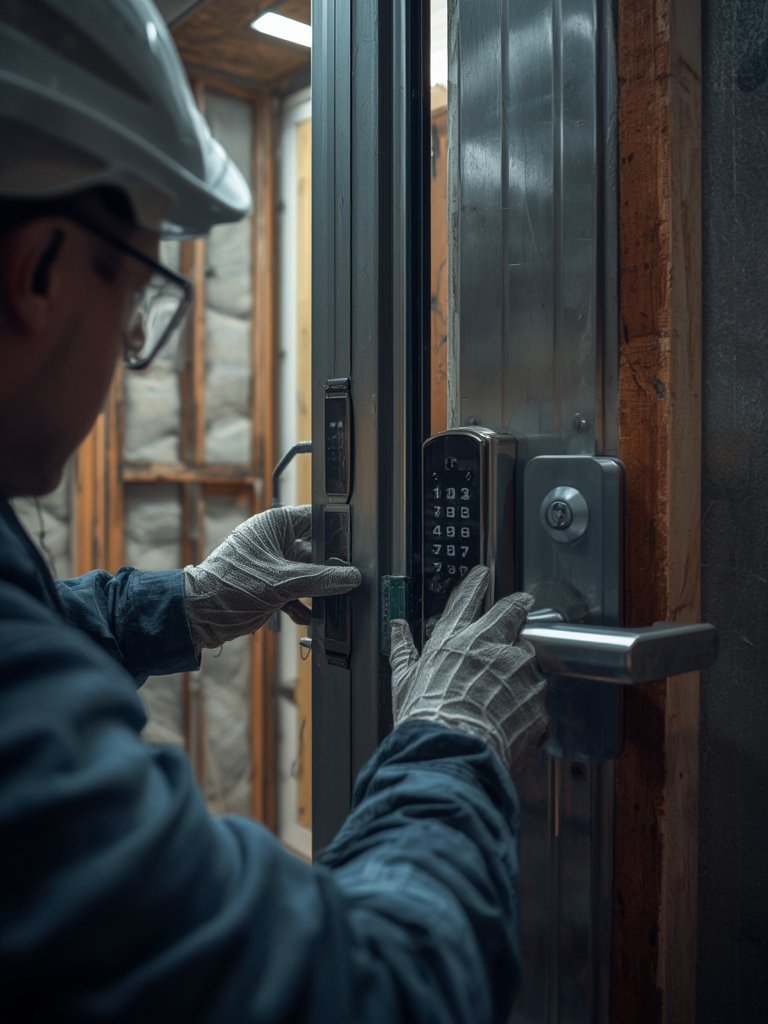
When planned properly, panic room installation can be paired with broader upgrades, like adding smart home lighting systems or improving energy efficiency, boosting both safety and comfort. Don’t overlook home insurance discounts available in some areas for certified safe rooms.
Advanced Analysis & Common Pitfalls
Panic room installation offers peace of mind, but it’s easy to fall into traps that decrease both safety and return on investment. Below are the most common mistakes and real-world issues people don’t talk about enough:
- Underestimating Structural Work: Reinforcing a door is easy. Reinforcing walls, floors, and ceilings is much harder and often skipped in DIY builds.
- Neglecting Vents and Egress: Lack of airflow leads to suffocation risks. No second exit can be dangerous in case of fire or debris blockage.
- Electrical & Comms Integration: Without separate power and backup communication, you may be cut off when you most need help.
- Budget Surprises: Professional installs are expensive; DIY projects are time-consuming and may lack critical features or get flagged during inspections. Lack of up-to-date price data remains an issue, but plan for unexpected expenses.
- No Published Residential Bulletproof Standard: Material choices—steel, concrete, Kevlar panels—differ in cost, installation effort, and effectiveness. Most competitor guides evade this topic or gloss over the nuances.
- Poor Concealment: Badly hidden doors are obvious to intruders—smart concealment is as important as strong construction.
- Lack of Documentation: Many homeowners forget to record safe room entry methods. After years or a change in ownership, vital access information gets lost.
| Feature | Professional Installation | Typical DIY Panic Room |
|---|---|---|
| Engineering Standards | Usually follows FEMA and building codes | Depends on research; often omits critical specs |
| Materials | Steel, specialty concrete, certified panels | Plywood, home center steel; rarely tested |
| Concealment | Professionally designed, often hidden in walls/floors | Basic concealment; more obvious entry |
| Long-term Value | Boosts home value and resale if certified | May cause problems during resale or inspection |
If you want to maximize both performance and value, look for gaps in generic online guidance. Many competitor articles barely mention advanced issues, such as ventilation, lighting, or integration with smart home devices worth buying. Relying only on surface-level checklists is risky; professional consultation can help you avoid high-cost mistakes.
For the most recent panic room demand and industry data, see reports from Growth Market Reports and Verified Market Reports. These sources confirm robust residential growth but rarely address the headaches of real-world installation.

Conclusion
Panic room installation is on the rise, but it’s easy to misjudge what’s required to build an effective, reliable safe room. Focus on structural reinforcement, up-to-date technology, and thoughtful concealment to truly protect your household. In 2024 and beyond, professional advice and careful planning can prevent you from making critical mistakes.
If you’re ready to take action on your panic room installation, start with a threat assessment and connect with local pros for a plan tailored to your home and family. A secure, well-integrated safe room pays off in both peace of mind and home value.
Ready to get started? Contact a reputable installer or add a panic room to your next renovation today.
FAQ
How much does panic room installation typically cost in 2026?
Current price ranges for professional panic room installation or DIY builds are not widely published for 2026. Costs vary greatly based on materials, size, and desired protection level, but expect a professionally installed room to start at several thousand dollars and up.
What is the best location to install a panic room?
Basements offer the most natural protection for storms, while ground-floor or master-bedroom-adjacent spaces provide faster access during home invasions. The ideal spot depends on your main risks and how quickly you may need to reach the room.
Are panic rooms hard to hide from intruders?
Professionally designed panic rooms can be effectively disguised within closets, behind shelving, or in areas integrated with smart home features. Poorly hidden rooms with basic locks are much easier for intruders to find and breach.
Can a panic room add value to my home?
Yes, if designed and documented properly. Certified safe rooms boost value, especially in high-risk areas or luxury markets. However, DIY projects without permits or proper integration may actually complicate future home sales.
Are there recent code changes affecting panic room installation?
No major updates to FEMA or local building codes specifically governing safe rooms or tornado shelters were reported for 2026. Always check with your city or county for the latest local regulations before building.