Best air purifier for bedroom—if you want better sleep, relief from allergies, and a healthier space, modern HEPA models deliver more than marketing hype. Scientific evidence links the right bedroom air purifier to cleaner air, measurable sleep improvements, and fewer nighttime symptoms. But which model is genuinely best, and what should you realistically expect? This guide breaks it down—no fluff.
Key Takeaways
- HEPA air purifiers are proven to improve sleep quality and respiratory health by removing particulates and allergens from bedroom air.
- Noise level, filter costs, and realistic expectations are key—choose a purifier designed for quiet operation and simple maintenance.
- Verify room coverage, filter type, and read expert-backed reviews before investing in the best air purifier for your bedroom.
- How Bedroom Air Purifiers Actually Improve Sleep (and What to Watch For)
- How to Choose & Set Up the Best Air Purifier for Bedroom
- Real-World Problems, Advanced Tips, & Model Comparisons
- Conclusion
- Frequently Asked Questions
How Bedroom Air Purifiers Actually Improve Sleep (and What to Watch For)
HEPA-equipped bedroom air purifiers are backed by research—not just marketing claims. By removing tiny particles and allergens (like PM2.5, dust, pet dander, pollen, and VOCs), these devices lower airway inflammation and nighttime awakenings. Multiple studies, including a 2022 randomized controlled trial and a double-blind experiment by Dyson, found that HEPA purifiers increased total sleep time by an average of 12 minutes per night and led to better subjective sleep quality. Over 50% of users in independent studies experienced fewer night wakings and slept more efficiently.
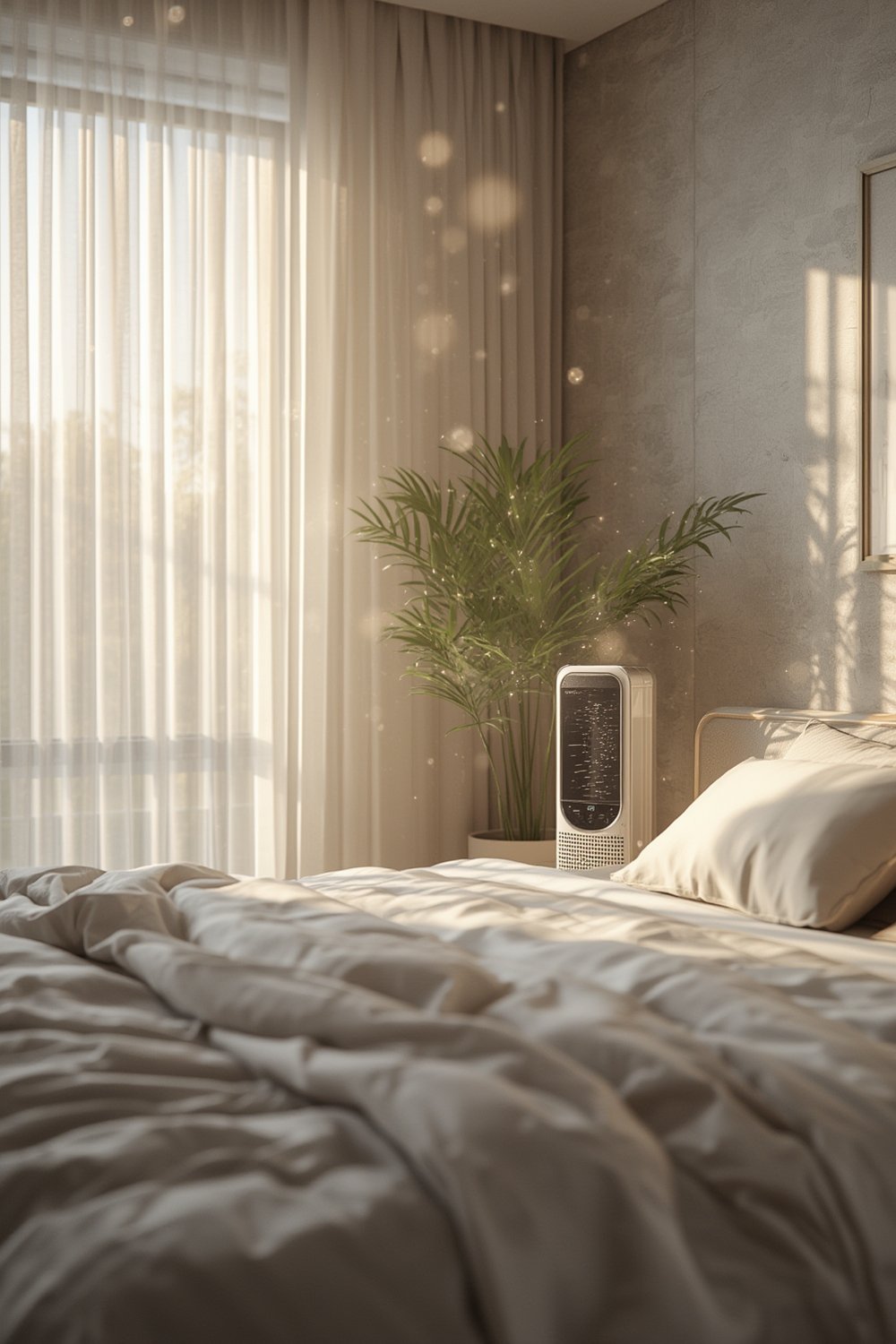
But not every air purifier fits every bedroom. Effective performance depends on choosing a device with the right filter type (True HEPA, ideally H13 or better), matching room size to purifier coverage, and understanding potential drawbacks like filter costs and noise. Users with allergies or asthma see the biggest improvements, but anyone can benefit from cleaner, healthier bedroom air.
If you’re remodeling for wellness, biophilic design principles like natural light and ventilation can further enhance indoor air quality alongside a well-chosen purifier.
How to Choose & Set Up the Best Air Purifier for Bedroom
Buying the wrong air purifier wastes time and money. Follow these steps for maximum impact and comfort.
-
Check filter type and efficiency.
Look for genuine HEPA or H13 True HEPA filters, which remove 99.97% of 0.3 micron particles or smaller. Lower grades don’t deliver the same benefit. Avoid “replacement filtersHEPA-like” or “HEPA-type” wording—these aren’t standardized and may not trap respiratory irritants. -
Match CADR and room size coverage.
Find the device’s Clean Air Delivery Rate (CADR) and match it to your bedroom’s square footage. Most master bedrooms are between 120–300 sq. ft. More is better, but don’t overspend on models meant for huge spaces. -
Test noise levels before committing.
For restful sleep, look for models that specify a quiet or “sleep” mode (often <40 decibels—about as quiet as a library). Read independent user reviews, since manufacturers often undersell the sound in real life. Alen’s models produce "pink noise” that may benefit some users, but always decide based on your own sensitivity. -
Factor in maintenance costs.
HEPA filters need replacing every 6–12 months (some as often as every 3–4). Replacement filters for branded purifiers range from $30 to $80 annually. If ongoing filter costs are a concern, compare prices ahead of time. -
Look for auto or smart features.
Air quality sensors, auto-adjusting speeds, and app connectivity make usage nearly hands-free. Some “smart” purifiers even sync with air quality sensors and smart home lighting systems and thermostats for a seamless bedtime environment. -
Optimize bedroom layout and extras.
Locate outlets and ensure easy access to your device. Pair your air purifier with easy-clean flooring to further cut down bedroom allergens.
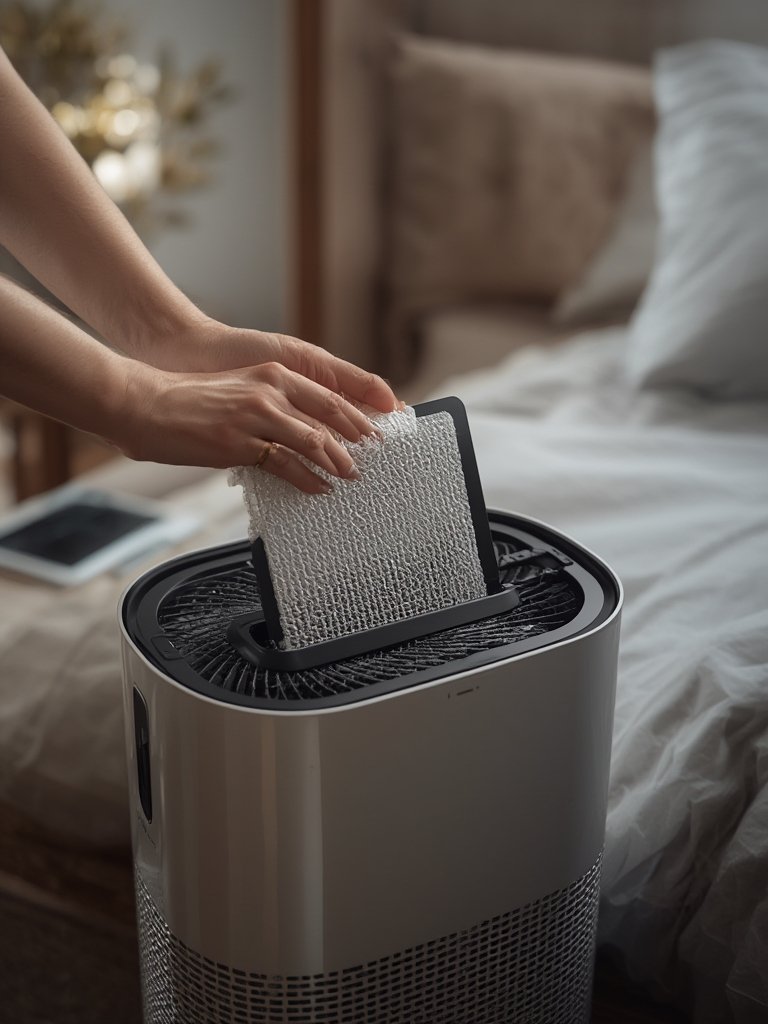
Proactive maintenance keeps performance high. Mark your calendar to clean pre-filters monthly and replace HEPA filters on schedule, especially before allergy season.
As part of a broader upgrade, aging homeowners may also consider aging in place home modifications for overall comfort and safety.
Real-World Problems, Advanced Tips, & Model Comparisons
Success with any bedroom air purifier means knowing both the science and the downsides. Here’s what most users overlook (and what top expert guides rarely address):
- Noise complaints: Even quiet-rated models can emit droning or whirring that bothers light sleepers. Models with “pink noise” may help some but annoy others. Alen’s BreatheSmart line is known for pink noise, yet not everyone prefers it.
- Underpowered units: Many users buy units that are too small for their room size, resulting in poor air quality improvements. Always check CADR and match it with your space.
- Ongoing filter expenses: First-year costs look reasonable, but filter replacements add up over multiple years. Some budget brands have pricey proprietary filters, so always check availability and price.
- Maintenance forgotten: Clogged filters and dirty sensors quickly reduce effectiveness. Most warranty issues trace back to neglected or improperly fitted filters.
- Unsubstantiated performance claims: Manufacturer metrics may not mirror real-world results for air change rate or noise. Independent third-party reviews (not just “influencer” lists) are key for trust.
| Model | Filter Type | CADR/Room Size | Noise Level | Filter Cost/Yr | Special Features |
|---|---|---|---|---|---|
| Alen BreatheSmart 45i | H13 True HEPA | Up to 300 sq ft* | Lower “pink noise” | ~$70 | Smart sensors, big touch controls |
| Dyson HEPA Purifier | HEPA + activated carbon | Medium-large room* | Very quiet, oscillates | ~$80 | Bladeless fan, app controls |
| Alen BreatheSmart FLEX | H13 True HEPA | Up to 700 sq ft* | Pink noise | ~$80 | Auto mode, long-lasting design |
| *No official CADR specs available in public sources (2024) | (Specs shown are representative; always check latest manufacturer details.) | ||||
Want to further reduce allergens? Pair your purifier with easy-clean bathroom upgrades for a whole-home approach.
Conclusion
HEPA bedroom air purifiers, especially proven brands like Alen and Dyson, do support better sleep and respiratory health when chosen and maintained carefully. For the best air purifier for bedroom results, verify performance specs, monitor filter replacement costs, and adjust your setup for quiet, all-night operation. Start small—add a purifier to your sleep routine and watch the restful results for yourself.
Ready to transform your sleep environment? Research your options, read expert-backed reviews, and invest in the right purifier for your needs today.
Frequently Asked Questions
Do I really need an air purifier if I don’t have allergies?
Yes. Even if you don’t have allergies, a HEPA air purifier removes dust, volatile organic compounds, and other pollutants that can disrupt sleep or contribute to subtle respiratory issues over time.
How often should I run my bedroom air purifier?
For best results, run your bedroom air purifier continuously in “auto” or “sleep” mode. The air quickly recontaminates when the device is turned off—even a few hours makes a difference.
What’s the best placement for my air purifier?
Keep it 3-6 feet from your bed and away from walls or corners. Avoid placing it near obstructions like thick drapes or furniture to let it circulate air freely.
Are expensive models really worth it?
Expensive models often offer better filtration, quieter operation, and advanced features like sensors or app controls. But performance ultimately depends on using the right filter and matching the unit’s capacity to your room size.
Can air purifiers reduce snoring?
By reducing airborne allergens and irritants, purifiers can lower nasal congestion—a common cause of snoring. While no air purifier can guarantee less snoring, research suggests real benefits for many users.