

Dual-function furniture is reshaping how people live in smaller, modern spaces, letting you maximize every inch of your home without sacrificing comfort or style. Whether you live in a cozy apartment or need to make a guest room double as a home office, smart furniture that does more than one job is more relevant than ever.
Key Takeaways
- Dual-function furniture is in demand as home sizes shrink and remote work rises, with the global market projected to hit over $11 billion by 2030 (source).
- Choosing the right pieces and planning carefully means you can avoid pitfalls like poor durability, awkward layouts, and installation headaches.
- Following proven steps, from assessing needs to integrating with smart tech, helps ensure both function and comfort in small spaces.
The Core Concept
Dual-function furniture, also called multifunctional or space-saving furniture, does more than serve a single purpose. It’s designed to save space and adapt to your needs—whether that’s a sofa that converts to a bed, dining tables with built-in storage, or desks that fold neatly away when not in use. These solutions target urban dwellers, remote workers, and anyone seeking flexibility as homes trend smaller and lifestyles more dynamic.
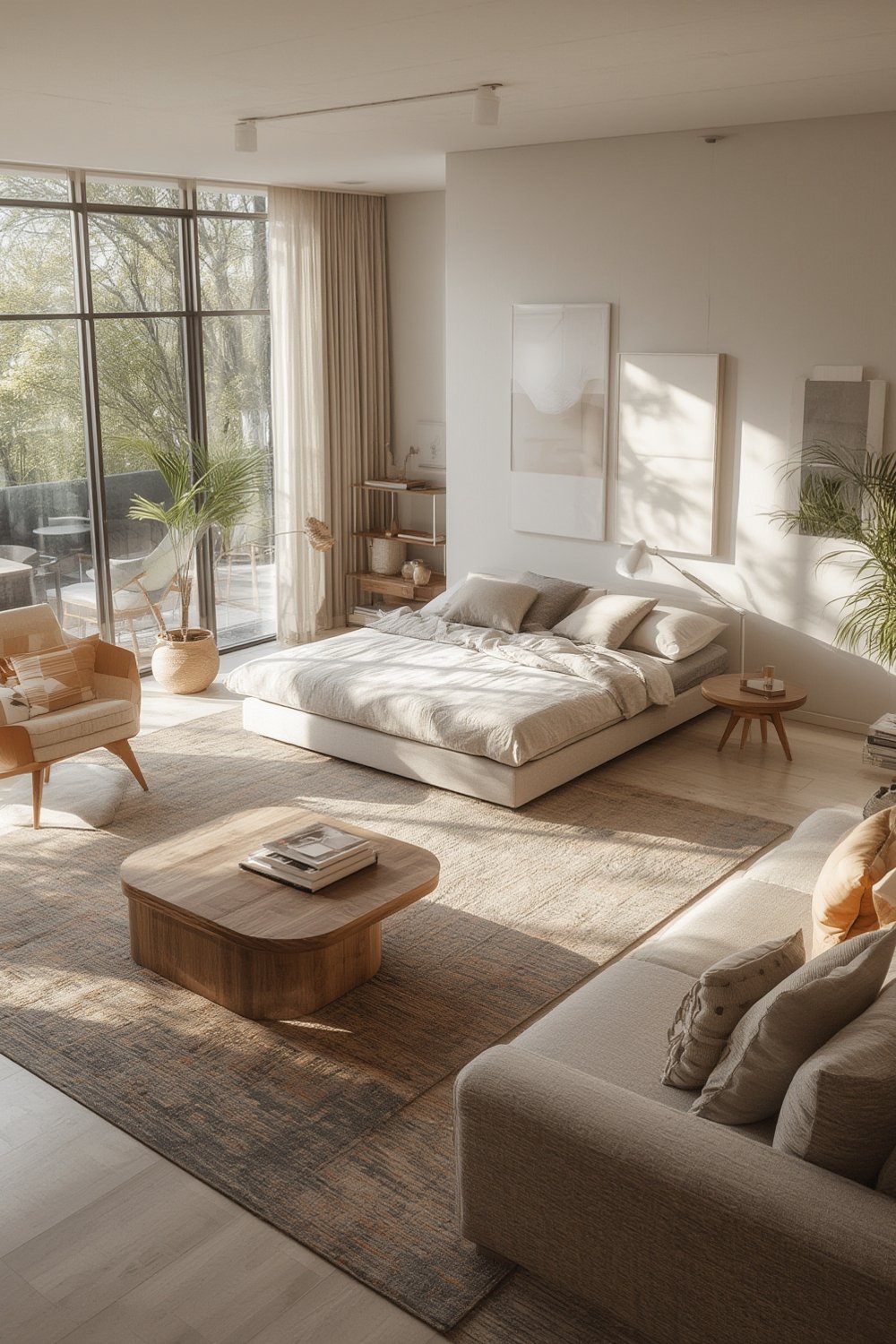
Market data shows why this is big: in 2024, the global multifunctional furniture market was valued over $7.64 billion, and it’s forecast to grow at a 6-7% annual rate for years (source). North America makes up nearly a third of this market, led by US cities where space is at a premium. Popular categories include convertible sofas (which held a full 25% of category revenue in 2023), Murphy beds, and clever hybrid systems.
Another key driver is the shift to remote work. Many households now need flexible rooms that serve as office, guest room, and living space—sometimes all at once (source). Manufacturers are also weaving in technology, with some pieces now featuring integrated lighting, charging ports, or even voice-assistant compatibility, blurring the boundaries of what furniture can do.
For those interested in creating organized and beautiful interiors beyond furniture, see our guide on biophilic design elements for ideas that bring nature into your space.
Step-by-Step Guide
Optimizing your home with dual-function furniture doesn’t need to be overwhelming. Here’s a realistic roadmap to making the best choices—saving space and future headaches.
-
Assess Your Space and Needs:
- Measure your room—including ceiling height, doorways, and clearances.
- Decide what dual-use you need. Is it an office by day, spare bedroom by night? Or family room that turns into a guest suite?
-
Identify High-Impact Pieces:
- Consider convertible sofas, Murphy beds, sleeper ottomans, and nesting tables.
- Look for features that solve real pain points—extra storage, mobility, or easy transformation. For bathroom spaces, walk-in tub with shower combos can double bathroom function in smaller homes.
-
Review Installation Requirements:
- Some units, like Murphy beds, need professional wall anchoring for safety.
- Other pieces, like fold-down tables or modular loungers, can often be installed DIY. Always check weight limits and ensure you follow the manufacturer’s instructions.
- For closet or storage solutions, see detailed organizational tips in our walk-in closet organization guide.
-
Layer In Automation and Smart Tech:
- Consider integrating smart lighting (smart home lighting systems) and voice controls for seamless transitions between modes, like day to night or work to relax.
-
Look for Quality and Certifications:
- Choose furniture made from durable materials with proven mechanisms—avoid “too good to be true” deals.
- If you need accessibility, check for ADA compliance and safety certifications, especially for elderly users or those with mobility challenges. More tips are in our aging in place home modifications article.
-
Test Everything Before You Commit:
- Whenever possible, try out furniture in-store or read in-depth independent reviews to verify comfort and ease of use before buying.
- Double-check store return and warranty policies. If planning a renovation, see options for affordable DIY upgrades in DIY home improvement projects.
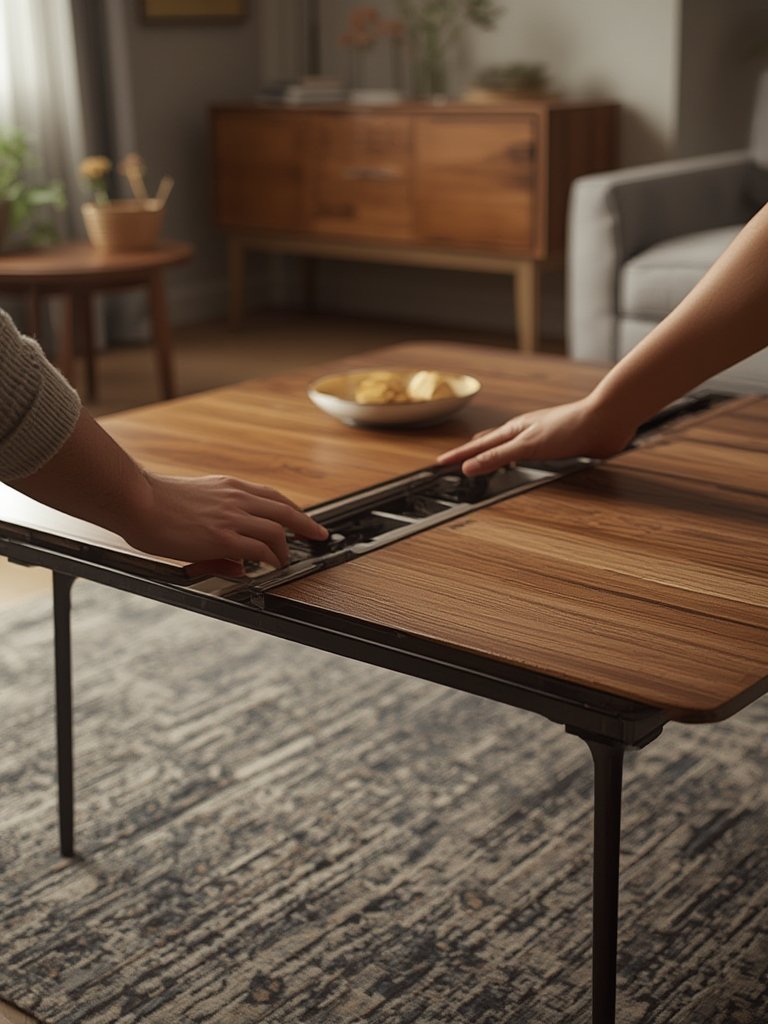
Following these steps can help you get the most from every square foot, avoid common mistakes, and maximize both usability and comfort, whether furnishing an apartment, condo, or updating an entire home.
Advanced Analysis & Common Pitfalls
Not all dual-function furniture is made equal, and the wrong choice can actually create new problems. Here are key pitfalls to watch for—plus honest analysis based on current market data and user experiences:
| Pitfall | Description | How to Overcome |
|---|---|---|
| Poor Durability | Cheap mechanisms on fold-out beds and tables can break quickly, and particle board frames may sag or chip. | Research reputable brands, check warranty length, and look for consumer reviews noting years of use. |
| Difficult Installations | Murphy beds and heavy wall units often need secure, professional installation to be safe—DIY shortcuts can lead to instability or damage. | Budget for expert help, and never ignore anchoring instructions for wall beds or fold-down units. |
| Awkward Transitions | Cumbersome transformation steps make it less likely you’ll actually switch functions daily (example: sofa beds with awkward folding mechanisms). | Test transformation yourself before buying, and read reviews about ease of use. |
| Too Little Storage | Some pieces “do it all”—but lack practical storage, making the space still feel cluttered. | Opt for models with hidden shelves, drawers, or under-bed compartments. |
| Missed Certification | Lack of ADA or children’s safety certifications can put vulnerable users at risk. | Seek out certified models, especially for family or accessible environments. |
Keep in mind, pricing for dual-function furniture varies widely by size, brand, and features—but high-quality models from reputable brands often outlast cheaper, generic alternatives (source).
For even more tips to maximize kitchen or bathroom storage specifically, explore kitchen storage solutions and alternative bathroom upgrades like groutless shower walls.
Conclusion
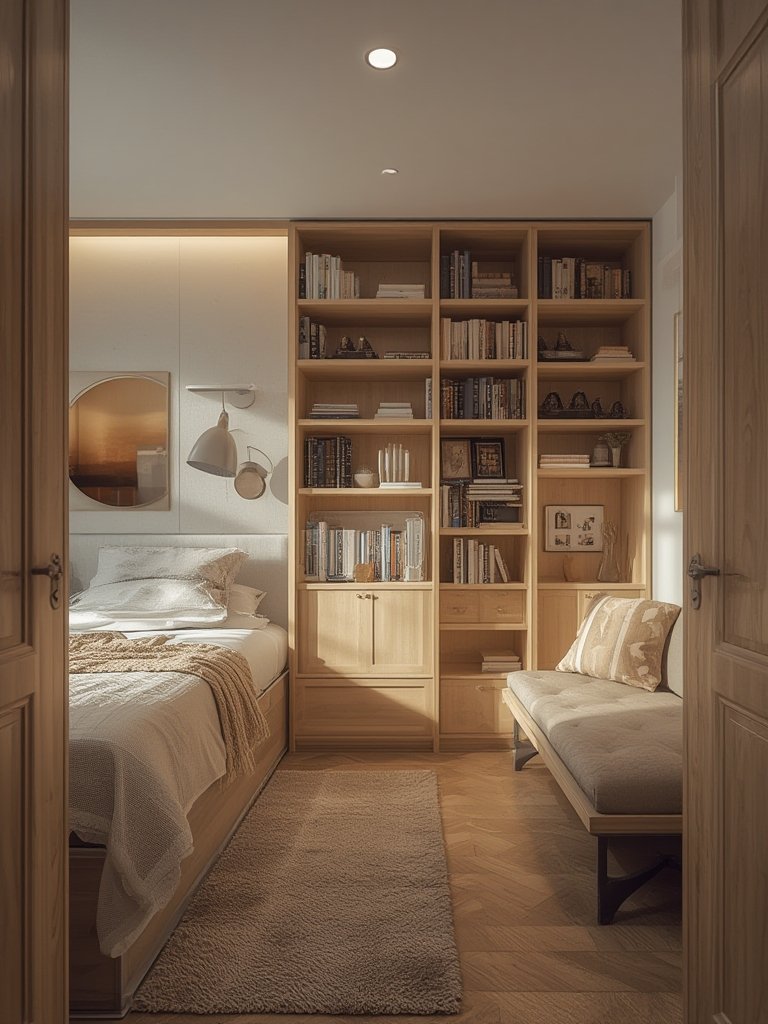
Finding and installing the right dual-function furniture transforms the way you use your space—especially as urban homes shrink and flexible, remote lifestyles become the norm. From Murphy beds to fold-away desks, careful planning, understanding installation requirements, and prioritizing quality help avoid common traps. The dual-function furniture trend is reshaping homes for the better, offering dynamic answers for limited square footage.
Want more space-maximizing ideas or need expert guidance on accessible renovations? Start planning your smartest room redesign today.
FAQ
What is the difference between dual-function and multifunctional furniture?
Dual-function furniture typically serves two purposes (like a sofa bed), while multifunctional furniture may serve several roles—for example, a coffee table that converts into a dining table with built-in storage.
Is dual-function furniture worth it for small apartments?
Yes, especially as new homes trend smaller. Quality pieces can significantly increase usable space, but always consider installation, durability, and ease of use before buying.
Can I install a Murphy bed or other wall bed myself?
Some kits offer DIY installation, but most require proper wall anchoring. For safety and stability, it’s strongly advised to hire a professional unless you have experience with structural fixes.
What’s the most common regret buyers have about multifunctional furniture?
Many report disappointment when furniture is hard to transition between uses or lacks durability. Reading independent reviews and testing in-store helps avoid surprises.
Are there space-saving solutions for bathrooms and closets?
Absolutely. Options include walk-in tubs with showers, groutless shower walls, and modular closet organizers. See guides on bathroom upgrades and closet organization for more ideas.

[…] Yes—finished basements, lower-level dens, or even under-stair spaces are perfect for home offices. Use storage solutions and dual-function furniture for optimal results (space-saving ideas). […]