

Energy-efficient window replacement is one of the most effective ways to cut household energy use, lower utility costs, and boost home comfort in 2024. Rising electricity and heating bills make efficient windows more than just an aesthetic upgrade—they’re a direct path to savings and sustainability.
Key Takeaways
- Replacing old windows with ENERGY STAR-certified models can save 12-13% on energy bills, usually $200-$600 per year.
- Regional costs and energy savings vary, but federal tax credits and rebates can offset installation expenses in 2024.
- Not all window upgrades are smooth—installation disruptions, cost overruns, and performance gaps are real pitfalls to avoid.
- What Is Energy-Efficient Window Replacement?
- Step-by-Step Guide to Energy-Efficient Window Replacement
- Advanced Analysis & Common Pitfalls
- Conclusion
- FAQ
What Is Energy-Efficient Window Replacement?
Energy-efficient window replacement upgrades your home from leaky, outdated windows to high-performance models designed to reduce heat transfer and optimize insulation. These modern windows use technologies like low-E coatings, double or triple panes, argon gas fills, and insulated frames to minimize energy loss. The payoff is lower heating and cooling costs, less strain on your HVAC system, greater comfort, and a smaller carbon footprint.
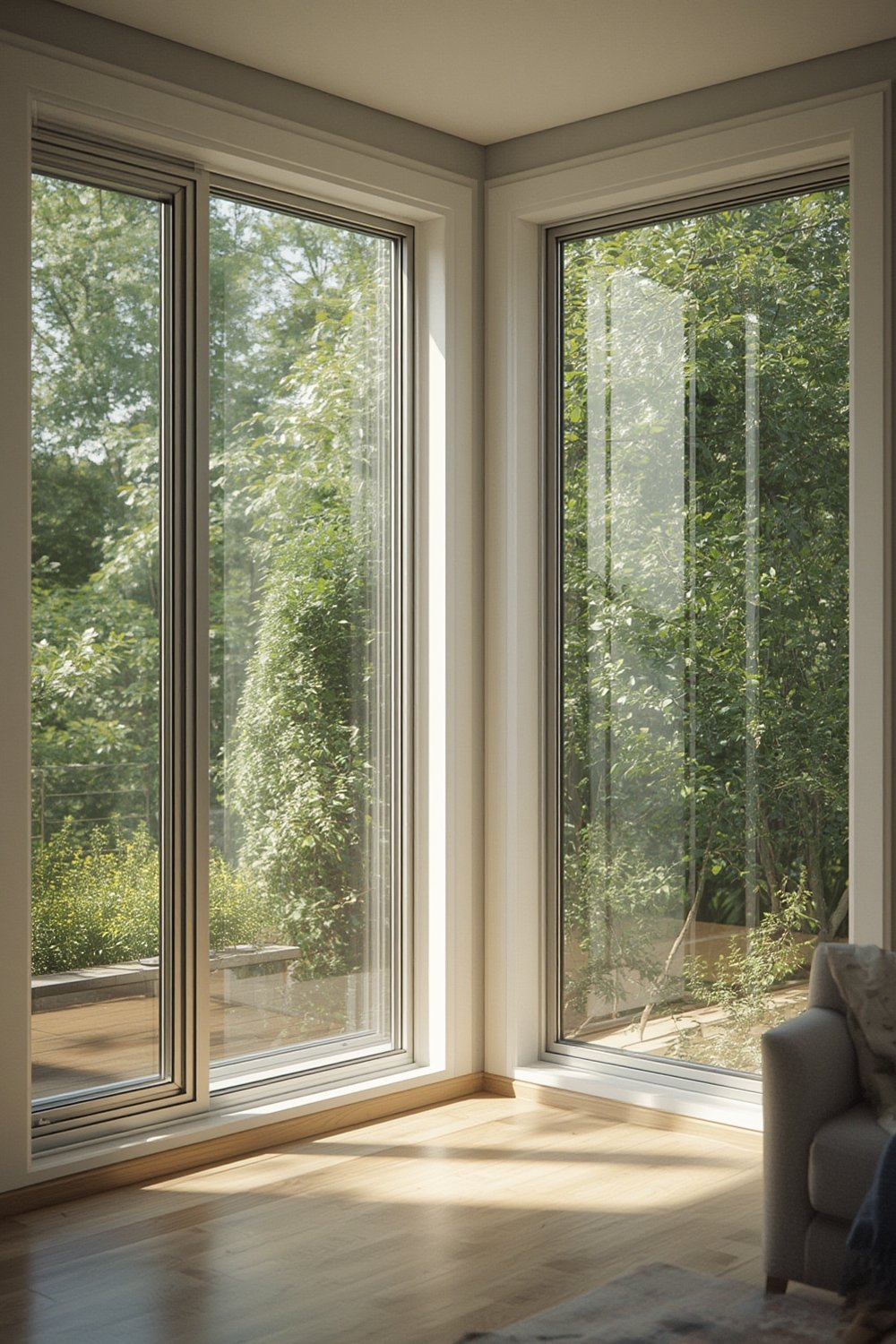
According to the U.S. Department of Energy, heat gain and loss through windows account for 25–30% of residential heating and cooling energy use. Upgrading from single-pane to ENERGY STAR-certified windows saves most households about 12% on utilities and cuts CO2 emissions by up to 6,205 pounds per year.[1] In monetary terms, this usually means $200–$600 in annual savings.[2]
While efficient windows work well in any US region, the cost-to-savings ratio is especially high in climates with large temperature swings. Installing new windows can directly increase your home’s resale value, and many upgrades qualify for government tax credits or rebates.
Step-by-Step Guide to Energy-Efficient Window Replacement
-
Assess Your Current Windows
Identify drafty or single-pane windows. Look for condensation, warped frames, fogging, and poor seals. -
Set Your Goals
Decide if your goal is lowering bills, increasing comfort, boosting home value, or all three. -
Research Window Types & Ratings
Compare double- and triple-pane models and look for low U-Factor and SHGC numbers (the lower, the better for insulation). Prioritize ENERGY STAR-labeled products for your climate zone. Don’t forget to consider frame material durability and regional cost differences. -
Calculate Payback & Rebates
Estimate your long-term savings versus upfront installation costs. Include possible resale value increases and research government incentives. The Inflation Reduction Act offers a 30% tax credit, up to $600 for qualified windows in 2024.[3] -
Get Multiple Quotes
Contact several local installers for itemized estimates, making sure they include labor and materials. -
Plan for Installation
Discuss the timetable, potential disruptions, and warranties. Ask if old window disposal is included. -
Schedule Installation
Plan for possible delays, especially during high-demand seasons. -
Inspect and Maintain
After installation, inspect for drafts and fit. Clean as directed and schedule yearly checkups to maximize lifespan.
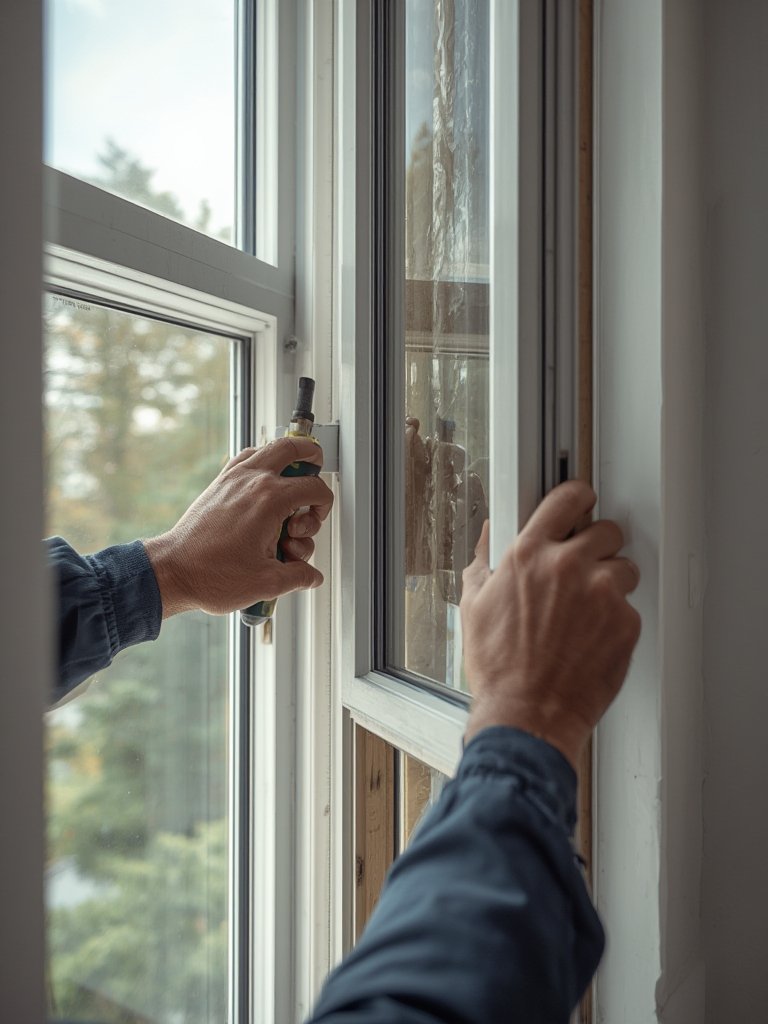
- Before demolition, protect furniture and wall finishes. Window installation can be dusty and noisy.
- For more sustainable and comfortable interiors, complement your windows with biophilic design elements to maximize natural light and wellness.
- If installing smart home upgrades, consider connecting your new windows with smart home lighting systems for optimized daylight use and energy management.
Advanced Analysis & Common Pitfalls
Comparing Window Technologies: Specs that Matter
There’s a lot of marketing hype around insulated, triple-pane, and “thermal” windows. What actually matters is U-Factor (insulation level) and SHGC (solar heat gain). Lower U-Factor means less heat passes through. Lower SHGC keeps more sun heat out. Most high-performance windows use low-E glass and argon gas fills for superior results.[4]
| Window Type | Typical Features | Performance |
|---|---|---|
| Double-Pane Low-E | 2 glass panes, low-E coating, argon fill | Good for moderate climates, decent U-Factor/SHGC |
| Triple-Pane | 3 glass panes, low-E, argon or krypton fill | Best insulation, ideal for harsh climates |
| Traditional Single-Pane | 1 glass pane, no coatings | Minimal insulation, highest energy loss |
Common Pitfalls & Realistic Problems
- Installation Disruptions: Major window projects can disturb daily routines, create dust, and expose your home to weather. Get a clear installation timeline before work begins.
- Higher Upfront Cost: Energy-efficient windows often cost more to install. However, national studies show you can recoup 65–75% of the project cost on resale.[5]
- Payback Period Is Variable: While average annual savings run $200–$600, the exact payback period depends on your climate, window type, and installation fees.
- Performance May Vary: If installed incorrectly, even high-end windows can develop condensation, leaks, or insulation failures.
- Maintenance Requirements: Seals and moving parts on double and triple-pane models can degrade over time, especially in humid or coastal zones.
- Missed Incentives: Many homeowners neglect to claim available tax credits and rebates, leaving money on the table.
- Poor Prep: Failing to clear out furniture or protect finishes can result in accidental home damage during installation—plan ahead or coordinate with other remodeling projects such as aging in place home modifications for maximum efficiency.
What Are Real Costs in 2024?
2024 regional pricing varies based on materials, labor, and removal. Bay Area homes can see $101–$583 in annual savings, but upfront costs remain highly variable.[6] National estimates indicate window replacements recoup about 67% at resale for vinyl units. Always get at least three local quotes before signing a contract.
For the lowest maintenance in humid spaces or bathrooms, also consider groutless shower wall installation projects to complement your window upgrades.

Making the Most of Incentives
Don’t forget: In 2024, a 30% tax credit (up to $600) applies for qualifying window installations. Local utilities and state governments may offer additional rebates, low-interest loans, or green financing, so check all options before finalizing your project.[7]
Conclusion
Energy-efficient window replacement delivers clear benefits—lower bills, increased home comfort, more natural light, and greater resale value. The process isn’t always quick or bump-free, but with the right prep and installer, most homeowners see payback within a few years. Make sure to maximize savings with available tax credits and rebates in 2024. Upgrade your windows this season for an efficient, healthy, comfortable home—and enjoy lasting improvements for years to come.
Ready to take the next step? Start planning your energy-efficient window replacement today and transform your living space. For additional home organization strategies around your remodel, check out our tips for walk-in closet organization.
FAQ
How much can I save on my energy bills by replacing my windows?
Most homeowners save between 12% and 13% on their annual energy bills, which usually equals $200–$600 per year after installing energy-efficient windows.
Are there tax credits or rebates available for window replacement in 2024?
Yes. The Inflation Reduction Act provides a 30% federal tax credit, up to $600 per household for qualified window purchases. Many states and utilities also offer additional rebates.
How do I know if I need double or triple-pane windows?
Double-pane windows work well in most moderate climates. For extreme weather or noise control, triple-pane models offer better insulation and comfort but usually cost more.
What’s the typical payback period for energy-efficient window upgrades?
The payback period depends on your upfront costs and local utility rates. With average savings of $200–$600 per year, homeowners often recoup costs within 8–15 years, especially after accounting for tax credits and increased resale value.
What are the main risks or downsides of window replacement?
Potential downsides include installation delays, higher upfront costs, possible home disruption during the process, and the risk of poor fit or seal if not professionally installed.

[…] a deeper dive into related energy and water savings, read about energy-efficient window replacement or check if your project can work alongside smart home lighting systems to maximize utility cost […]
[…] routes because of their bi-level configuration. Consider modernizing mechanicals and swapping in energy-efficient windows while walls are […]