

DIY home improvement projects have surged in popularity, offering homeowners affordable ways to refresh, upgrade, and personalize their spaces—all without hiring a contractor. But before you grab a paint roller or a drill, it’s crucial to understand which projects are truly DIY-friendly, how to avoid frustrating mistakes, and what steps lead to a smooth result.
Key Takeaways
- Popular DIY home improvement projects in 2023–2024 include painting an accent wall, peel-and-stick upgrades, floating shelves, and light fixture swaps.
- Preparation, safety checks, and choosing truly beginner-friendly projects are essential to avoid costly mistakes.
- Affordable DIY upgrades like new flooring and accent walls can maximize both property value and your daily enjoyment of the home.
- Understanding DIY Home Improvement Projects
- Step-by-Step Guide for Beginners
- Advanced Analysis and Common Pitfalls
- Conclusion
- FAQ
Understanding DIY Home Improvement Projects
DIY home improvement projects let you update your living space with your own hands, often saving money and giving you a sense of pride and ownership. Whether it’s repainting an outdated room, installing peel-and-stick backsplashes, refreshing old grout, or updating light fixtures, the modern approach to DIY puts practical aesthetics and safety first.
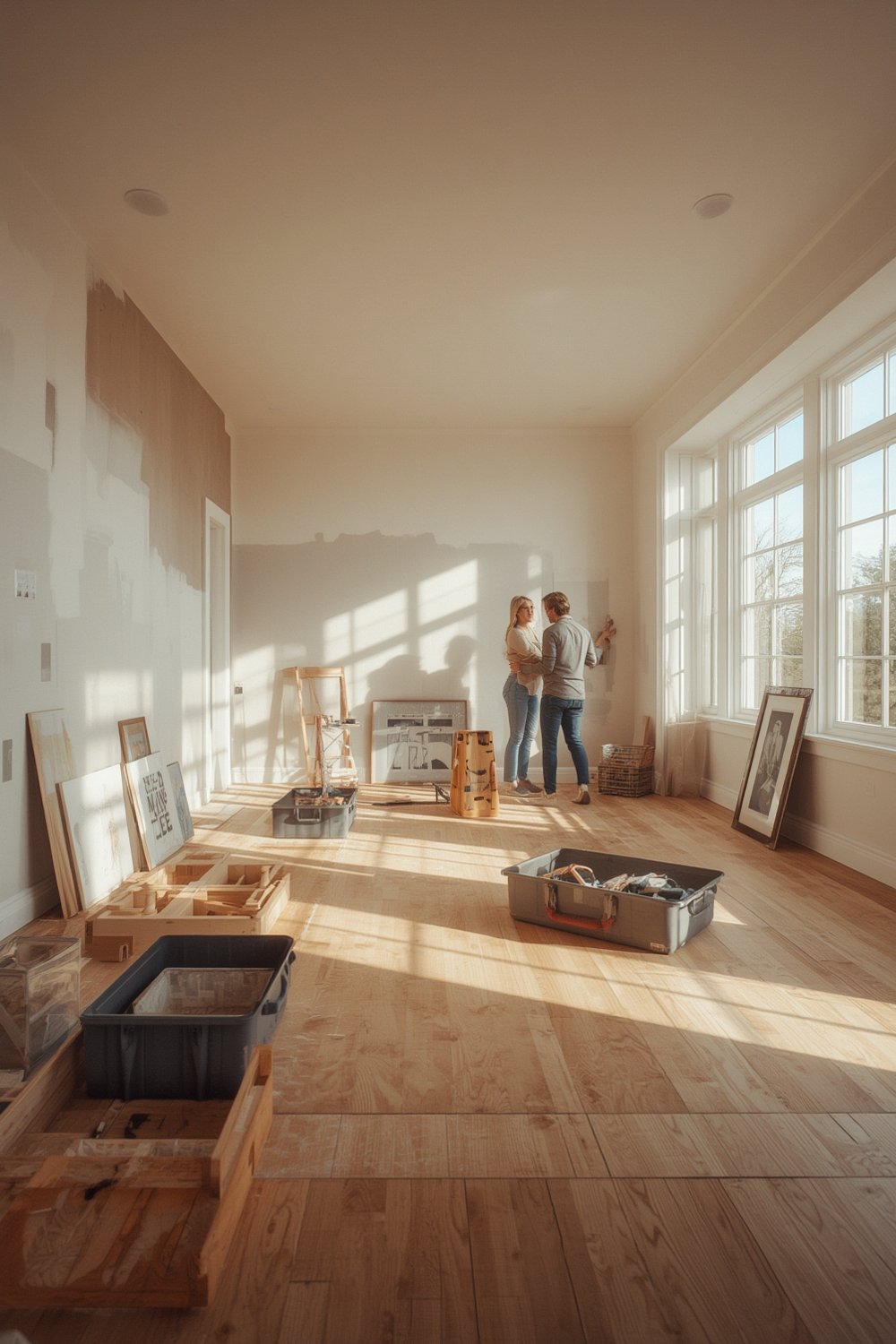
In 2023 and 2024, the most popular projects were:
- Painting accent walls or trim for quick visual impact
- Installing peel-and-stick backsplashes and flooring
- Adding floating shelves for extra storage
- Swapping cabinet hardware, locks, or light switch covers
- Replacing or updating light fixtures, including ceiling fans
- Refreshing bathroom grout and fixtures
Most of these tasks are well within reach for beginners, requiring just a few basic tools and minimal prior experience, as recent guides emphasize. These projects minimize the need for specialty equipment and allow homeowners to make noticeable improvements over a single weekend.
Furthermore, changes like luxury vinyl plank (LVP) flooring or built-in storage—with a focus on closet organization—are trending as cost-effective upgrades with lasting value. These choices are not only visually appealing but also functional, appealing to those interested in aging in place home modifications or maximizing resale appeal.
Ultimately, DIY projects succeed when you’re realistic about your skills and choose upgrades proven to be simple, reversible, and safe. For bigger transformations—a walk-in tub with shower, for example—a professional may still be needed for code compliance and safe installation.
Step-by-Step Guide for Beginners
If you’re thinking about tackling your first (or next) DIY home improvement project, follow these practical steps to boost your confidence and avoid the most common frustrations.
-
Define Your Project
- Pick a single area or feature to begin with (e.g., paint a bedroom wall, install new cabinet hardware, or add a floating shelf).
- Research inspiration photos and decide exactly what finish or style matches your taste and the home’s needs.
-
Set a Realistic Budget and Timeline
- Most beginner DIY projects take one afternoon to a weekend.
- For instance, installing groutless shower walls requires more planning and could take a weekend, while painting a baseboard might take just an hour.
- Peel-and-stick flooring or backsplashes can usually be completed within a day, at a fraction of professional installation costs.
-
Gather Your Materials and Tools
- Typical tools: tape measure, level, screwdriver, drill, stud finder, paint supplies, and safety gear (gloves, goggles).
- For light electrical work, always have a voltage tester. For tile projects, use a grout pen or spatula, not just your hands.
- Check all supplies for material compatibility, especially adhesives and surfaces—this step is commonly overlooked.
-
Check for Safety and Permits
- Locate electrical wires before drilling, and always turn off power or water before starting any fixture update.
- Permits aren’t required for most cosmetic changes, but they may be necessary if you’re moving walls or managing plumbing/electrical changes.
-
Follow a Detailed Tutorial
- Cross-check at least two step-by-step resources (blogs, manufacturer instructions, or video tutorials) to avoid omissions.
- For smart upgrades—like app-controlled lighting—read all setup instructions fully before you begin.
-
Take Your Time and Test as You Go
- After each step, double-check for evenness, alignment, or secure fixtures before proceeding. Quick fixes now prevent regrets later.
-
Clean Up and Admire Your Work
- Allow paint, adhesive, or grout to fully set before using the space.
- Tidy up work areas and save leftover materials to help with any future repairs or touch-ups.
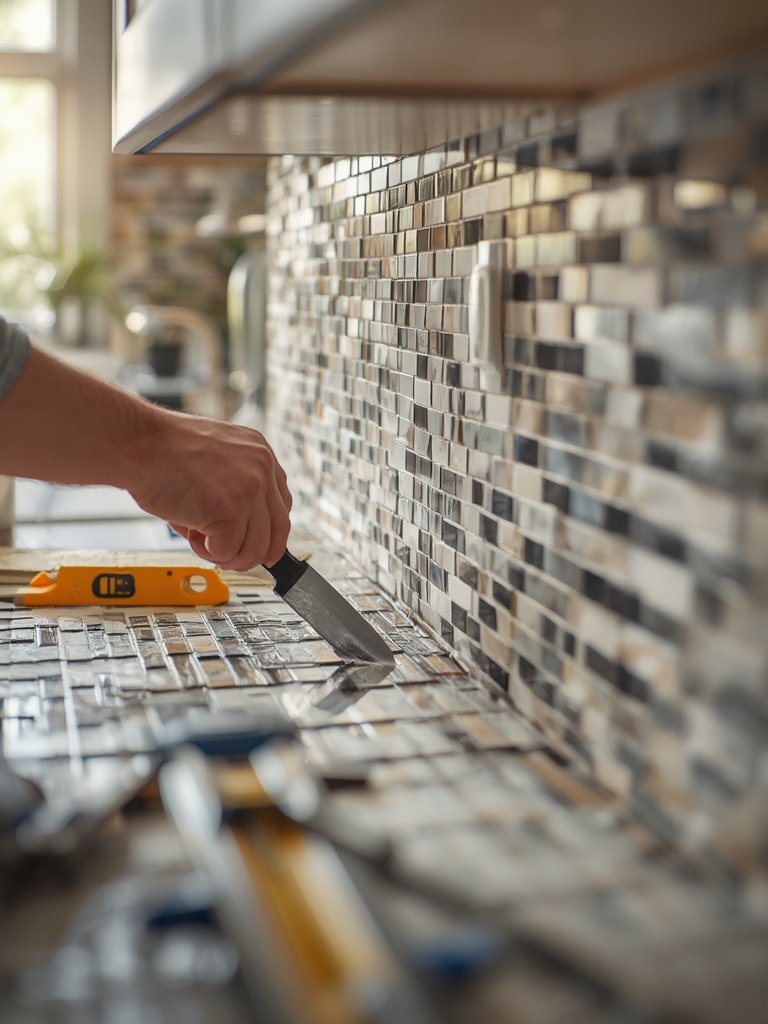
This systematic approach works for minor bathroom updates, kitchen refreshes, accent walls, and more. It’s also ideal for projects that improve daily living, such as adding smart home features or enhancing safety with grab bars and non-slip surfaces.
Advanced Analysis and Common Pitfalls
While beginner DIY home improvement projects come with quick rewards, they’re also prone to mistakes for those who skip over prep or fail to check for safety and compatibility. Let’s break down the most realistic risks and regrets—plus how you can sidestep them.
- Skipping Safety Steps: Many top guides forget to remind users to cut power or check water supplies before swapping outlets or plumbing fixtures. This can result in injury or code violations.
- Material Mismatches: Not all paint, adhesive, or tile products work for every wall or floor surface—using the wrong type leads to bubbling paint, failed glue bonds, or water leaks.
- Underestimating Complexity: Overestimating your skill on a structural or electrical project often leads to costly, visible mistakes.
- Neglecting Permits: Even small changes (like opening a wall for shelving or updating a circuit) may require city permits for safety and resale compliance.
- Imbalance Between Visuals and Function: Focusing too heavily on looks can result in shelves or fixtures that are not sturdy enough for actual daily use.
Here’s a practical comparison of DIY versus hiring a professional for common upgrades:
| Project | DIY Cost | Professional Cost | DIY Timeline | Tools Needed | Difficulty |
|---|---|---|---|---|---|
| Painting Accent Wall | $50–$100 | $250+ | 1 evening | Roller, tape, drop cloth | Beginner |
| Peel-and-Stick Backsplash | $40–$90 | $400+ | 2–4 hours | Utility knife, level | Beginner |
| Light Fixture Swap | $40–$120 | $150–$400 | 1–2 hours | Screwdriver, voltage tester | Intermediate |
These numbers are ballpark estimates. You’ll find that prepping thoroughly and reading several resources, such as real-life DIY project blogs and aggregate guides, helps set realistic expectations.
Looking for upgrades that also save energy? Consider an energy-efficient window replacement—it’s a bigger commitment, but often delivers excellent long-term value. For those captivated by well-being and aesthetics, biophilic design elements help bring nature indoors, appealing to mind and body alike.
Conclusion
DIY home improvement projects continue to empower homeowners to refresh, personalize, and improve their living spaces affordably. By starting with small, beginner-friendly tasks, focusing on prep and safety, and utilizing reliable tutorials, you’ll drastically boost your odds of a successful transformation—without regrets. Ready to start your next DIY home improvement project? Pick a room, set a goal, and discover how rewarding—and doable—these upgrades truly are.
FAQ
What is the easiest DIY home improvement project for beginners?
Painting an accent wall is often the simplest and most impactful project for beginners. It requires basic tools, minimal investment, and can be completed in just a few hours.
Are DIY projects worth it compared to hiring a professional?
For small projects like painting, hardware replacement, or peel-and-stick upgrades, DIY is almost always more cost-effective. However, structural, plumbing, or electrical projects may be safer and more reliable when handled by a professional.
What mistakes do first-time DIYers make most often?
The most common mistakes include skipping safety steps, choosing the wrong materials, underestimating the time required, and neglecting permits when needed.
Can DIY improvements increase home value?
Yes, affordable upgrades such as LVP flooring, new paint, and updated fixtures can boost appeal and value—especially when done neatly and with quality materials. Larger projects like walk-in tub with shower combos are best left to pros for a strong return on investment.
How do I know if a project requires a permit?
Cosmetic changes like paint or fixture swaps typically do not require permits. However, if your project involves electrical work, plumbing changes, or altering walls, always check with your local building office for permit requirements.

[…] upgrades like painting, adding plug-in wall sconces, or building custom shelves. Explore simple DIY projects to maximize […]
[…] little planning, you’ll get far more than basic surveillance—especially when integrating other DIY improvements or focusing on accessibility. Ready for reliable security, realistic budgeting, and fewer […]
[…] major moves. For more home remodeling insights, check out our guides on home exterior remodels and DIY home improvement projects. Start modernizing your split level […]