

Walk-in closet organization is often the difference between struggling with clutter and enjoying a streamlined start every day. If your walk-in currently feels more like a storage trap than a sanctuary, you’re not alone—modern homeowners face tough choices when it comes to maximizing closet space, battling disorganization, and protecting their investment during a remodel. This guide delivers concrete, updated strategies to help you plan, upgrade, and maintain your walk-in closet for maximum style, function, and resale value.
Key Takeaways
- The global walk-in closet market is booming in 2024, with a focus on personalized systems and smart features.
- Common frustrations include poor use of space and costly installation mistakes, but modular, flexible designs offer efficient solutions.
- Careful planning and awareness of pitfalls can help you maximize storage, style, and home value—while staying on trend.
- What Is Walk-In Closet Organization and Why Does It Matter?
- Step-by-Step Guide to Walk-In Closet Organization
- Advanced Analysis & Common Pitfalls in Walk-In Closet Organization
- Conclusion
- Frequently Asked Questions
What Is Walk-In Closet Organization and Why Does It Matter?
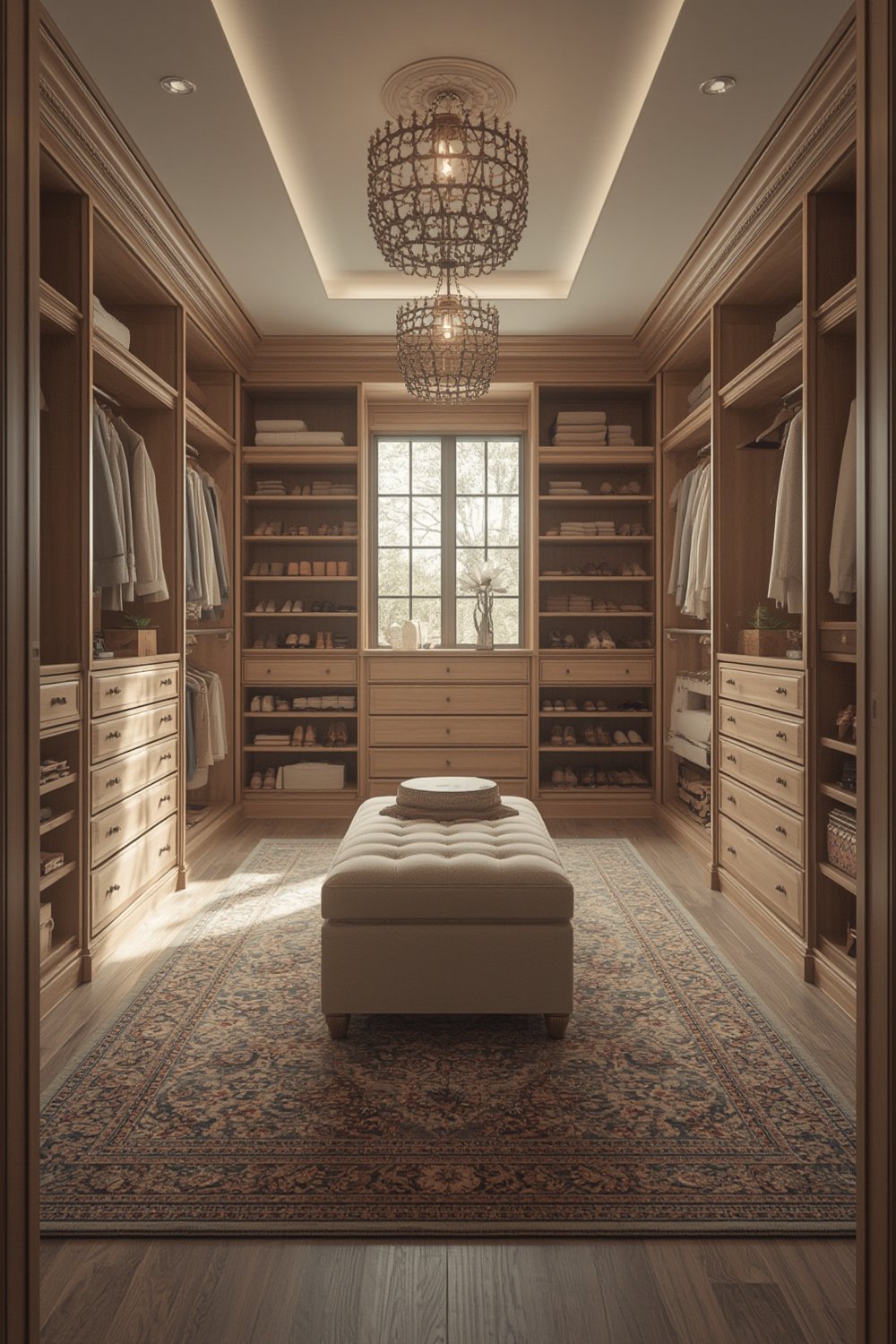
Walk-in closet organization means more than just tidiness. It’s a holistic approach to storing, accessing, and showcasing your belongings with efficiency, style, and ease. The trend in 2024 is all about custom, modular systems—where smart automation meets premium materials—to make every inch work smarter for your needs. With North Americans spending more on home upgrades and walk-in closets dominating the market, custom closet installations are at an all-time high.
Homeowners increasingly seek solutions that maximize space and adapt over time—think modular shelving, automated lighting, and durable finishes. The goal: everything organized, accessible, and tailored to your lifestyle. Done right, a walk-in closet also boosts resale value and daily enjoyment. Whether you’re remodeling for personal use, aging in place, or home resale, a strategic plan is key. For bathroom upgrades with accessibility in mind, see our guide on walk-in tubs with shower combos.
Step-by-Step Guide to Walk-In Closet Organization
Organizing a walk-in closet can feel daunting, but following a practical plan reduces stress and prevents costly missteps. Here’s how to start fresh and finish strong:
1. Assess Your Space and Inventory
Take careful measurements of your closet (width, depth, height), and assess obstacles like HVAC vents or off-square walls. Then, inventory your clothing, shoes, and accessories. Donate or discard unused items for a realistic sense of your storage needs.
2. Define Zones and Accessibility
Split your closet into zones: hanging (short, long), folded, shoes, accessories, out-of-season. Prioritize convenience for daily-use items and plan shelving height for easy reach.
3. Select a Storage System
Compare store-bought modular kits (IKEA, The Container Store, Rubbermaid) to custom installations (California Closets, Oppein). Modular systems—often tool-free and eco-friendly—offer flexibility and expandability. For durability, look for wood veneer finishes and quality hardware.
4. Integrate Smart Features
Upgrade with soft-close drawers, app-controlled lighting, automated shelves, and in-drawer power ports. Consider features seen in Oppein’s 2024 smart closet system for a truly innovative space.
5. Maximize Vertical and Hard-to-Reach Space
Use double hang rods, stackable bins, pull-out racks, and adjustable shelves to capture unused vertical real estate. Add motion-sensor lights and clear storage for easy identification.
6. Install System Carefully (or Hire a Pro)
For DIY kits, always mark wall studs, use levelers, and follow instructions precisely to preserve wall strength and avoid crooked shelves. If your home has unique structural challenges—like angled ceilings or thin drywall—consult a professional to prevent mishaps or damage that could affect future resale.
7. Final Arrangement and Labeling
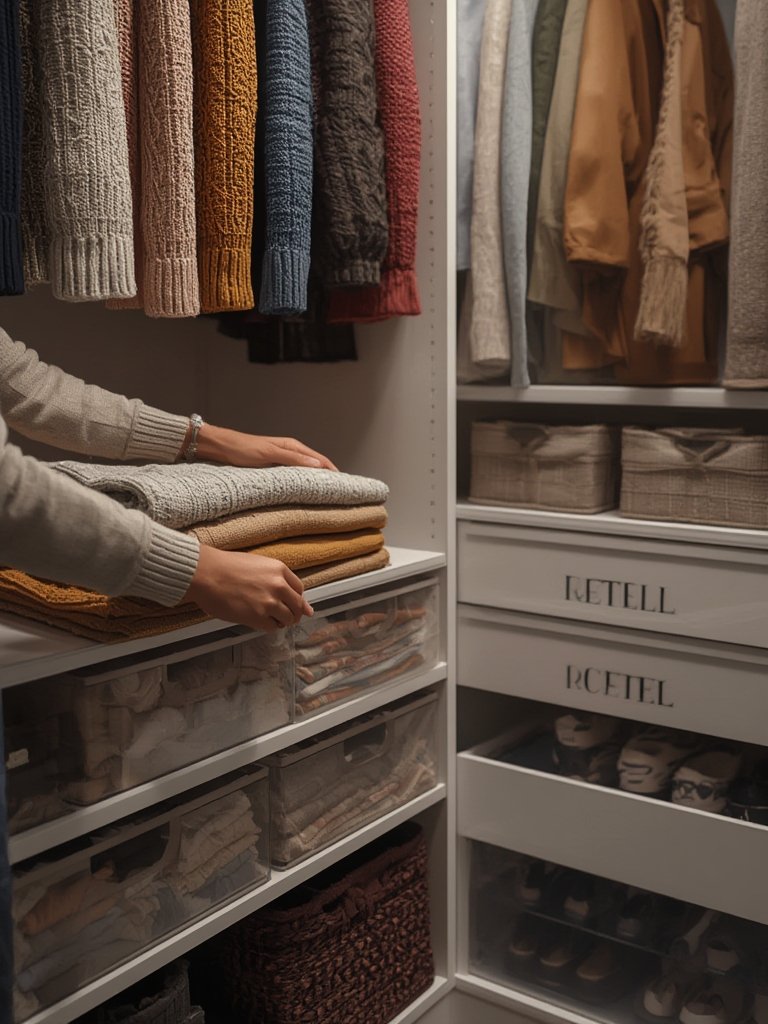
Group clothes by function and frequency of use. Store out-of-season items high or low, and label bins or dividers for simple maintenance. Incorporate biophilic design ideas—like natural wood finishes or integrated greenery, inspired by biophilic design elements—for a fresh, calming feel.
8. Maintain Your System
Commit to a five-minute tidy-up each week. Revisit your layout every season and adjust as your needs change. For automated closet lights, see our full guide to smart home lighting systems.
Advanced Analysis & Common Pitfalls in Walk-In Closet Organization
Not all closet remodels go smoothly. Many homeowners report hidden headaches such as:
- Poor layout planning: Failing to account for door swing, lighting, or awkward corners often leaves space unused.
- Over-customization: Fully built-in, ultra-custom systems can backfire if your needs change, making future updates expensive or hurting resale value.
- Ignoring technical factors: Weak drywall, poorly anchored shelving, or ignoring local building codes can compromise structural integrity—especially in older homes.
- Underestimating costs: Contractors can uncover surprises (wiring, moisture, out-of-plumb walls) that add expense and time. While 2024’s global custom closets market valuation exceeds $31 billion, exact project costs vary by region and scope. Understand the broad financial landscape to budget confidently.
Below, see a direct feature comparison between popular modular closet brands:
| Brand | Modularity | Smart Features | Materials | Best For | Drawbacks |
|---|---|---|---|---|---|
| IKEA | High | Limited (automation via add-ons) | Engineered wood, metal | Budget, DIY, flexibility | Finish quality may vary |
| Oppein | High | App-controlled lights, auto shelves | Wood veneer, metal, glass | Smart tech, premium look | Higher cost |
| California Closets | Medium-High | AI planning, smart storage | Wood veneer, Italian hardware | Customization, design guidance | Longer lead times |
| The Container Store | High | AR planning, tool-free install | Recycled aluminum, laminate | Fast setup, sustainable materials | Can be expensive for add-ons |
| Rubbermaid | Medium | No-drill brackets | Steel, laminate | Rentals, quick upgrades | Limited high-end finishes |
If you have senior residents, consider pairing your remodel with aging in place home modifications for safety and accessibility.
For bathroom projects that offer style without added grout maintenance, see our guide to groutless shower walls installation.
Conclusion
Modern walk-in closet organization is a blend of strategy, smart systems, and style. By measuring accurately, choosing flexible solutions, integrating useful tech, and avoiding common pitfalls, you create a closet that simplifies your daily life and protects your investment. Don’t cut corners—invest in quality fixtures and design for flexibility. Get started today and turn your walk-in closet organization project into a lasting upgrade.
Ready to bring order and luxury to your walk-in closet organization? Plan your next step, explore product demos, or consult a designer to elevate your space—your organized future starts now.
Frequently Asked Questions
How much does it cost to organize a walk-in closet in 2024?
Exact costs vary by the size, materials, and features chosen. There is no definitive average reported for 2024, but modular DIY kits start under $1,000, while custom installations with premium features can range from $3,000 to well over $10,000. Always request several quotes and compare what’s included.
What is the best way to maximize space in a small walk-in closet?
Use double hang rods, stackable bins, adjustable shelves, and add vertical storage above the doors. Modular systems from brands like IKEA and The Container Store offer flexible configurations to fit odd spaces. Leverage accessories such as pull-out racks and under-shelf baskets for shoes and accessories.
What mistakes should I avoid during a closet remodel?
Common errors include not reinforcing shelving anchors, skipping electrical planning for lighting, and failing to allow flexibility for future changes. Avoid over-customizing, which may impact resale value if a future owner’s needs differ from yours.
Are smart closets worth the investment?
If convenience, automation, and contemporary style are a priority, smart closet systems—featuring app controls, motion sensors, and automated shelving—offer long-term value and enhanced enjoyment. Just weigh the up-front cost against your lifestyle and potential resale benefits.
Can organizing my walk-in closet increase my home’s value?
Yes, an organized, stylish, and functional walk-in closet is often a selling point in modern homes—especially if installed with quality fixtures and flexible layouts that appeal to a broad range of buyers.

[…] changes like luxury vinyl plank (LVP) flooring or built-in storage—with a focus on closet organization—are trending as cost-effective upgrades with lasting value. These choices are not only visually […]
[…] Maximize every inch inside: convert basements or awkward spaces into usable rooms, home offices, or walk-in closets (organization tips). […]